
The Making of an Edgelander
The Salt PathRay and Moth gradually inhabit the margin between settled life and wilderness, discovering that homelessness, walking, and exposure can form an identity distinct from either secure domesticity or street life.
increasing Bearing strength in each event
 decreasing
Bearing strength in each eventdecreasingA Narrow Strip of Land
A Narrow Strip of Land
Between worlds
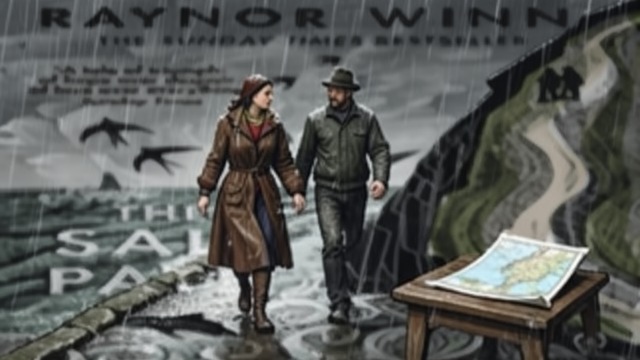
The guidebook maps only a narrow band of land beside the sea, and the couple’s life contracts into that corridor. Towns and homes lie nearby, yet often remain inaccessible when they lack money or shelter.
They are neither ordinary tourists nor long-term city street dwellers. Their circumstances place them between familiar definitions of home and homelessness.
The Coast Becomes a Routine
The Coast Becomes a Routine
A life at the margin
Ray and Moth learn the repeated practices of carrying their home, finding concealed camps, and moving through weather. The routine begins to feel more real than the domestic world they left behind.
They are still exposed to hunger and legal uncertainty. Yet they gain a kind of independence from the expectations that once defined a settled life.
Seeing Other Edge Lives
Seeing Other Edge Lives
Homelessness takes many forms
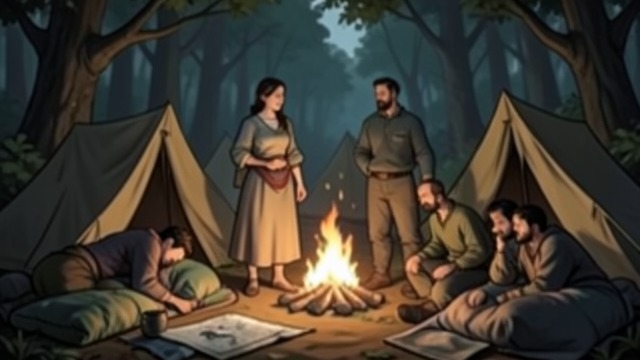
The couple encounter street sleepers, charity support, and people living in hidden woodland camps. These lives complicate their early assumptions about who is homeless and what kinds of community can form outside conventional housing.
The encounters make the couple more attentive to people who are ignored or judged. They understand their own temporary path life as one form among many of displacement.
A Choice to Keep Moving
A Choice to Keep Moving
Freedom in uncertainty
At Land’s End, the couple refuse the easy exit by bus and continue walking. On the path they can choose to move, stop, or change direction without asking permission from a household or employer.
The freedom is real but limited by hunger, weather, and Moth’s health. Their edge existence is not a romantic escape from hardship; it is a way to retain agency within it.
Leaving the Edge, Changed
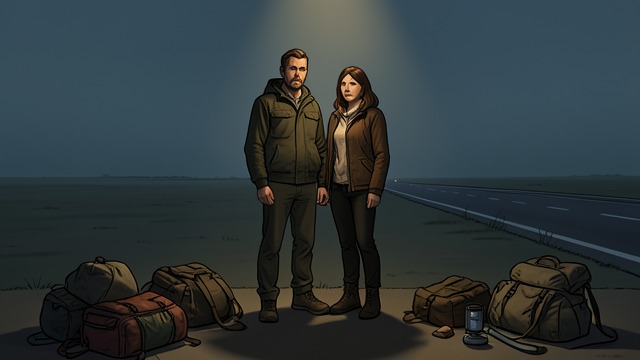
Leaving the Edge, Changed
A new position between lives
The couple accept a flat near the path’s end and prepare to leave their mobile life. The transition is difficult because the walk has become their home and daily structure.
They do not return to their old status as farm owners. They carry the knowledge of the edge into a new life, no longer fully defined by either security or homelessness.
During the first months on the coast
After several weeks of wild camping
During the journey through Newquay and Plymouth
After Land’s End, during the first autumn
When a flat becomes available in Polruan
