
The Many Uses of a Tent
The Salt PathThe tent changes from purchased equipment to portable home, emergency shelter, site of illness and intimacy, and finally an object that Ray must put away when walking ends.
increasing Bearing strength in each event
 decreasing
Bearing strength in each eventdecreasingA Home Bought for Thirty-Eight Pounds
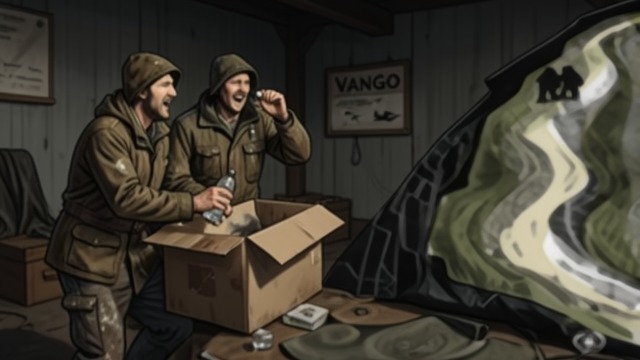
A Home Bought for Thirty-Eight Pounds
Shelter on a budget
Ray and Moth win a used Vango tent at auction and celebrate it as their new home. The tent is light enough to carry and small enough to fit the limited equipment they can afford.
Its low price makes the journey possible, but the couple do not yet know how it will perform in months of wind, rain, and cold.
The First Rituals
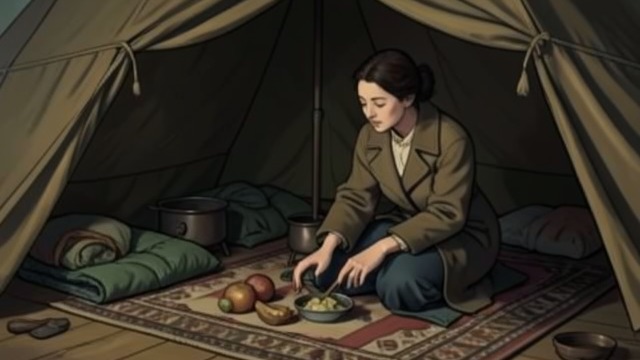
The First Rituals
A portable room takes shape
Each evening the couple put their mats, sleeping bags, packs, and cooking equipment in familiar places. Ray asks whether people need ritual to feel safe enough to rest.
The arrangement turns a temporary shelter into a recognizable interior. The tent becomes their most dependable domestic space, though it is always exposed to the elements.
Shelter During Withdrawal
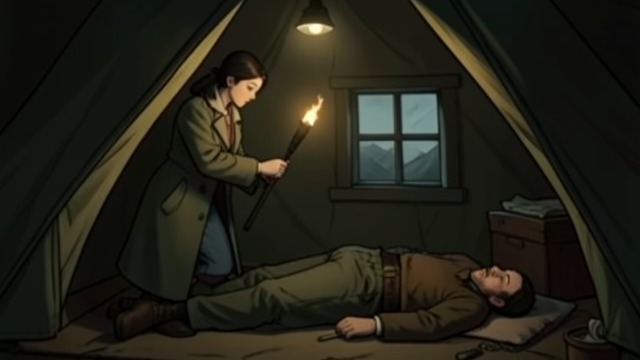
Shelter During Withdrawal
A small room for care
Inside the tent, Ray listens to Moth’s moans and repeatedly checks on him with a torch. She can offer water and closeness but cannot easily summon help from the isolated beach.
The tent provides privacy and protection while emphasizing the couple’s vulnerability. Their home is also a place where medical fear has nowhere to hide.
Carried Above the Water
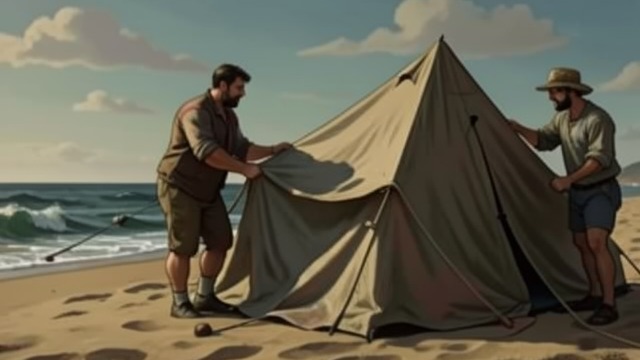
Carried Above the Water
Shelter becomes cargo
As the sea rises, Ray and Moth lift the erected tent and carry it away from the advancing water. Their sleeping bags and belongings remain inside as the groundsheet sags toward the sand.
The tent’s transformation from refuge to burden makes the crisis immediate. Moth’s strength in the moment becomes one of Ray’s most vivid memories of the journey.
The Tent Comes Indoors
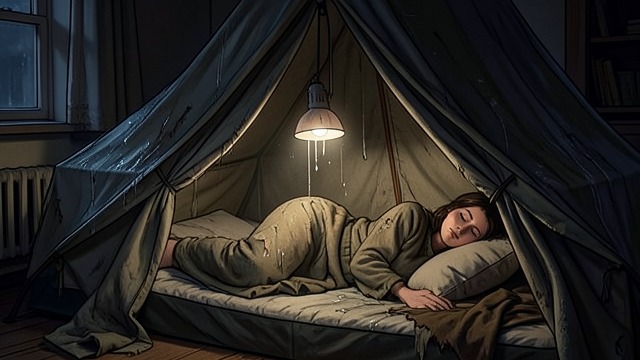
The Tent Comes Indoors
Returning to sleep
After moving into a flat, Ray cannot sleep and erects the old tent inside the apartment. Its smell of damp, sand, and salt brings back the coast, and she quickly falls asleep inside it.
The tent has become more than equipment: it holds the routine and freedom her body still needs. The scene shows that leaving the trail does not immediately undo its effects.
During preparations in the summer
During the opening week of wild camping
During the night after Moth runs out of Pregabalin
During the nighttime surge at Portheras Cove
On New Year’s Day, after the completed journey
