“gone to earth”
The Salt Path“Gone to earth” is both a literal description of a badger vanishing into its sett and a recurring image for seeking shelter beyond ordinary visibility. The phrase gathers the book’s different forms of refuge—underground, in a forest camp, and finally inside a tent—while making concealment signify not only withdrawal but a momentary recovery of safety and rest.
The phrase in the opening frame
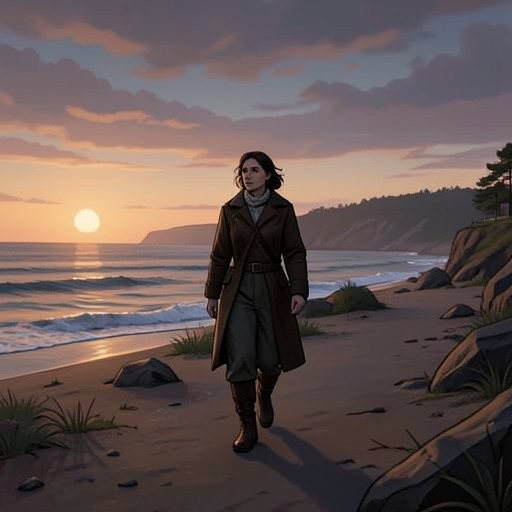
The book’s opening chapter is titled “Gone to Earth.” At the beginning of the New Year, Ray is awake on a cold cliff before dawn, unable to settle after months of agitation. In the grey light she watches a badger cross a field and approach the entrance to its tunnel. It pauses to check the air, then slips underground, away from view. Ray’s account closes the observation with the words “He’d gone to earth.” The animal’s movement gives the phrase its immediate, physical meaning: retreat into a hidden place that is safe, warm, and protected.
The scene does not leave the image with the badger. Ray sits at the edge of the land and sea, describing herself as lost but, briefly, found. After returning to the apartment, she still cannot sleep in the bed; instead, she assembles the green tent indoors. The transition from the badger’s underground refuge to Ray’s tent makes the phrase a hinge between observation and her own need for shelter.
Homelessness beyond the stereotype
The phrase resonates with the book’s account of homelessness as more than sleeping visibly on a street. Ray describes how public assumptions center on a rough sleeper bedding down in a doorway, while people in less visible circumstances—including those staying temporarily with others or sleeping out of sight—may disappear from the common picture. The distinction matters in her own circumstances: after losing their house and holiday-rental business, Ray and Moth cannot afford campsite fees, have no available room among friends, and find that repossession makes renting extremely difficult. The council offers only low-priority status and a bed-and-breakfast room they do not want; they decide that the tent is preferable.
The book places those personal barriers beside 2013 figures that expose how much depends on the way homelessness is counted. Research cited by Ray found 280,000 UK households had applied as homeless or imminently homeless, but officials accepted 52,000 as statutorily homeless; many of the rest received help through a relief route. Rough-sleeping estimates also diverged: the government’s one-night snapshot gave 2,414 for England, while London figures cited from the Homelessness and Information Network counted 6,508 people over the year, against a government snapshot of 543. The phrase’s emphasis on what is hidden therefore carries a social as well as a bodily meaning: some people are out of sight, and some are absent from the measures used to make them legible.
Hidden shelters and unstable refuge
The forest camp Ray and Moth encounter offers another concrete form of retreat. John and Gav take them from town by van to a woodland car park, then lead them along dark tracks to a small settlement of tents, tarpaulins, and shelters made from branches. The people there sit together, cook, and share supplies from a shopping trip; John shows the couple a place to pitch their tent. His own homelessness followed the sale of the farm where he had worked: the tied cottage was separated from the land and bought as a second home, while later wages could not cover rural rent. Others joined him in the woods, creating a fluid camp of people who came and went as need arose. It is a refuge made through concealment and mutual presence, not through secure housing.
The temporary refuge of Polly’s disused meat-packing shed is less sustaining. In heavy rain, Ray and Moth put their tent inside the building and huddle in its familiar enclosure. Their packs sit beside peeling wall covering; moss grows at the windows, insulation hangs from the rafters, and a wood burner has melted the plastic nearby. Polly offers them a place without rent in return for help with the building and farm, but the shed’s damaged, industrial interior accompanies a sense of dislocation. Shelter is available, yet the peace they had found while walking quickly recedes.
Return to the tent
At the book’s close, Ray’s search for a place to sleep has not ended simply because she and Moth have reached a roof. After the 630-mile walk, she has trouble settling into life in the apartment behind the chapel. On New Year’s morning, having gone out to the cliff before dawn, she returns cold and aching. Moth says he may keep using the mattress because he is getting used to its comfort; Ray says she needs to try the tent because she cannot carry on without sleep.
She clicks together the poles bound with duct tape, raises the green dome, and brings in battered inflatable mats, sleeping bags, and a pillow taken from the bed. The tent is damp-smelling, but entering it brings a rush of joy; the pillow and the sleep that follows turn the old shelter into an immediate refuge. Ray ends the sequence with “I’d gone to earth.” The phrase now names not disappearance into danger or defeat, but a chosen retreat that lets her rest. Its return links the badger’s hidden sett to the book’s final tent: in both, shelter is a small space beyond the exposed world, and going to earth is a way to endure it.