Green tent
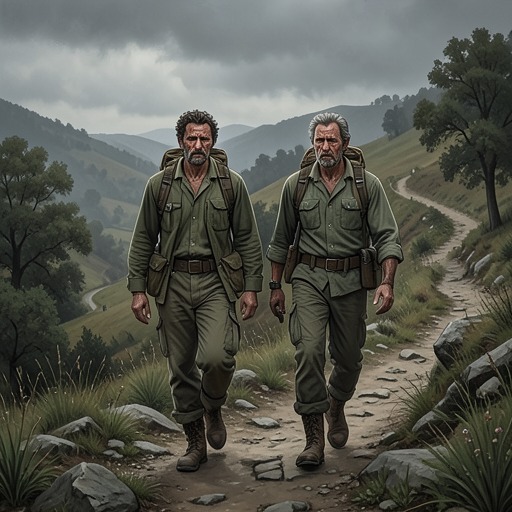
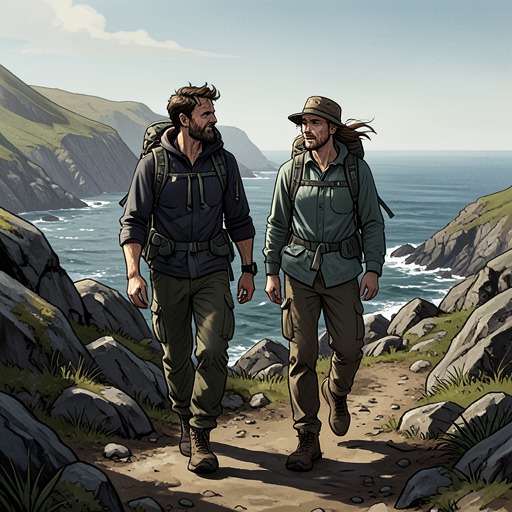
The Salt PathThe Green tent is the recurring shelter Ray and Moth carry through a long period without a stable home. It stands between two realities: a makeshift refuge exposed to weather and an intimate, familiar space that can be raised wherever the path leads. As its poles split and are bound with duct tape, the tent’s material vulnerability becomes inseparable from the couple’s persistence; its final reappearance inside their new room shows that reaching shelter has not erased their need for the outside.
Shelter under constraint
When the couple lose their home and income, they consider camping while looking for somewhere to settle. A campsite would cost £80 a week, beyond their means, and housing benefit would not cover the fee. Friends have no suitable space to offer, and caravans in the holiday area are booked for visitors. Renting is also effectively closed to them: repossession has damaged their credit, while the council can offer only a low-priority waiting-list position and, at that point, a bed-and-breakfast room in a setting they do not want. The choice to live in a tent is therefore not simply a preference for travelling light. It follows from the failure of the available routes to secure housing, and from their decision that tent life is preferable to the accommodation they are offered.
The tent makes a moveable shelter possible, but does not make that shelter secure. On the way to the forest camp where John and Gav offer them a place for the night, Ray and Moth ride in the back of a van on blankets. Deep among the pines, they pitch their tent among the other residents’ tents, tarpaulins and shelters made from fallen branches. The forest community provides a place to camp, not a lasting guarantee: John says they can return if needed, but even the wood may not remain available after that year. The tent’s usefulness depends on access to places where it can be put up, and that access can be temporary too.
A portable refuge on the journey
The tent also follows the couple away from the coast. In a disused meat-processing shed, rain lashes the corrugated roof as they erect it in the middle of the floor and huddle inside its familiar space. Around it, the building bears the signs of its former use and neglect: moss in the windows, insulation hanging from open rafters, a flickering industrial light, and plastic wall covering curled by a wood burner. The roof is welcome, but the tent supplies the enclosure they already know. It provides a measure of continuity in a place that feels disorienting and provisional.
That continuity is made out of ordinary, repeated acts: pitching the shelter, sleeping, and taking it down again. On the coast, the path offers a daily rhythm of movement and exposure. Ray describes the salt air, wind and light as part of the walk’s mental clearing effect, while the Green tent gives the couple a place to stop within that unsettled life. At Ballard Down they camp above Swanage, looking at the town’s lights stretched across the bay. The scene sets the temporary shelter against a settled landscape below, but the tent is also what lets them remain on the route and keep moving towards whatever comes next.
Damage, repair and endurance
The tent’s vulnerability becomes unmistakable when its first pole breaks as Ray and Moth take it down. The plastic sleeve has split where it joins the alloy ferrule. Dave searches his large pack and produces pliers, a small saw and duct tape; together they cut away the broken plastic, bind the split, and continue. The repair is practical and immediate, but it marks a change in what the tent requires of them: shelter now depends on repair work and on carrying the means to do it.
Below Thorncombe Beacon, examination of the poles reveals that almost all the plastic tube ends are beginning to split. The tent may be only days, or one high wind, away from becoming unusable. With darkness approaching, Ray and Moth carefully tape each end, then ease the thickened poles through sleeves made too narrow by the repair. They pack loose belongings into their rucksacks in case the tape fails. The structure holds through worsening weather, and the tent is still standing after a gale-force storm on an exposed field near Portwrinkle. Its poles bend into distorted elliptical angles under the wind, but do not break. At dawn the wind falls, and the battered tent has survived the night.
The patched shelter is not invulnerable, and the narrative does not turn its survival into a promise of safety. Its endurance is conditional: the tape must hold, the poles must be handled carefully, and the couple must find places to pitch it. Yet the same object carries the accumulated experience of being exposed to rain, wind and cold without ceasing to be usable. When Ray and Moth make their last camp, the tent is pitched among scrub on a cliffside, its doorway facing across the Channel. The coast behind them is almost over, and the place where they expect to live lies less than a day’s walk away.
The tent after arrival
Once Ray and Moth have a room, the tent remains part of their relationship to shelter rather than becoming an object left behind. Ray moves the foam mattress to one corner and the cardboard wardrobe to another, clearing a wide patch of lino. From a rucksack comes a green package; inside is the familiar nylon bundle. Unfolding it brings back the remembered sensations of the journey—damp and sand, wind and rain, and the air of the coast. Ray clicks the duct-tape-bound poles together until the Green tent rises into its familiar dome, then carries old inflatable mats, sleeping bags and a pillow inside. Moth stays with the mattress and makes more tea; Ray lies down in the tent and falls asleep.
That final indoor pitching changes the tent’s function. During the walk it was necessary equipment, a shelter that had to be repaired and repeatedly carried. In the room it is no longer needed to provide a roof, but Ray cannot sleep without returning to its enclosed space. The green dome carries the journey into the new accommodation: the couple have secured a place of their own, yet the tent still offers the form of refuge Ray recognises. Its closing image is neither a departure back into homelessness nor a simple retirement of the gear. The tent is erected once more, this time on a lino floor, and Ray rests inside it.