John
The Salt PathJohn is a lifelong farm worker who became homeless when the farm where he lived and worked was sold. In a woodland camp, he helps shelter Ray and Moth and tells them how the loss of a tied cottage, unaffordable rural rents, and insecure work shaped both his own housing path and the improvised community around him. His story brings the book’s account of homelessness beyond the street stereotype, showing how people can be without a secure home while living and working out of sight in the countryside.
Identity and Background
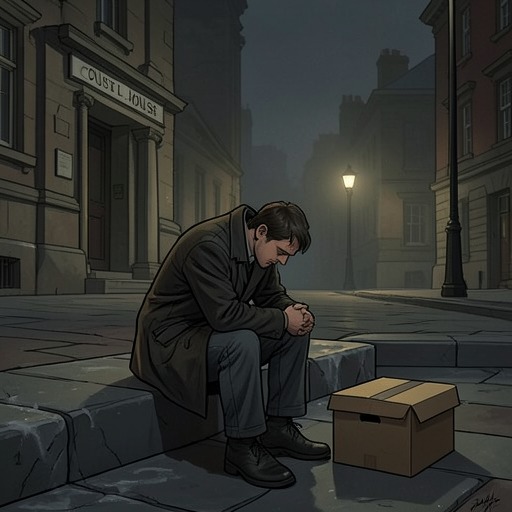
John had worked on farms all his life and lived in a tied cottage on the land where he worked. His home was bound to his employment: when the farm was sold, the houses were separated from the land and bought as second homes, and John lost his cottage. He found other work, but those jobs did not come with housing, while his wages could not meet the cost of rural rent. His homelessness therefore arose not from a refusal to work but from the severing of a home from the work and land that had sustained it.
From Housing Loss to the Woodland Camp
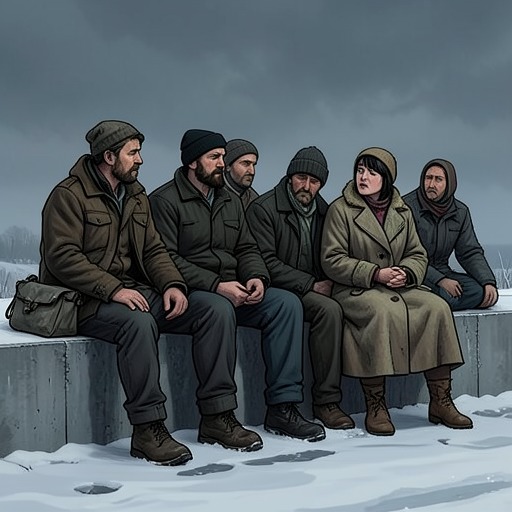
After losing the cottage, John first camped in the wood. Others joined him over time, and the encampment became a fluid village whose residents came and went as circumstances required. At its largest, John said, it might hold about thirty people; usually there were around eighteen. Most worked, but their jobs were part-time or insecure, with low wages and seasonal patterns that made it difficult to secure rented accommodation. The camp offered a place to stay, but its residents’ presence there remained contingent: John warned that the wood itself might not be available the following year.
Shelter for Ray and Moth
John and Gav encountered Ray and Moth in town and offered to take them to camp for the night. The couple accepted; John helped them into the van, which carried them away from the street and into the dark country lanes. They followed John and Gav through the woodland to a clearing where tents, tarpaulins, and shelters made from fallen branches formed a small settlement. After showing them a place to pitch their tent, John sat with them while Gav unpacked the group’s twice-weekly shopping. The offer was temporary, but it gave Ray and Moth a safe place to sleep and a direct introduction to people making a home without conventional housing.
A Home in the Countryside
John explained that he could not live in a town because the countryside was part of him. His attachment to the wood was also practical and ecological. He pointed to the pines, which had stood there for a long time, and named the wildlife around them: buzzards nesting each year, foxes, badgers, woodcock, slow worms, and adders in the heath and clearings. He insisted that the buzzards had a home there, as did the camp’s residents. The statement joins two kinds of belonging without pretending they are identical: the woodland sustains wildlife, and it shelters people pushed out of secure housing.
Departure and Narrative Significance
The next morning John dropped Ray and Moth at Ferrybridge on his way to work. He left the possibility of returning open, but qualified the invitation with the uncertainty that the wood might not remain available after that year. As he drove away, the couple stood looking down the long road linking the Isle of Portland to the mainland, and then chose to continue walking. John’s role in their journey is brief but consequential: he offers immediate shelter, while his account exposes a rural route into homelessness shaped by property sales, employment-linked housing, and rents beyond low-paid workers’ means. His woodland community also complicates the familiar image of homelessness as a person sleeping on a city pavement, showing a more dispersed and precarious reality.