Rescuing the tent as the tide rose
The Salt PathRescuing the tent as the tide rose is a sudden night-time emergency in which Moth carries the couple’s tent and bedding above the incoming water. The episode turns an ordinary wild-camping decision into a test of physical capacity: Moth’s forceful response, and his later account of feeling stronger, sit uneasily beside the doctors’ view that corticobasal degeneration was a one-way progression.
A campsite chosen above the tide
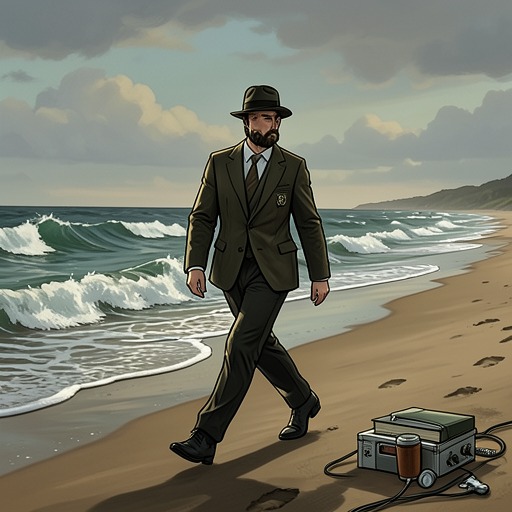
The beach was backed by unstable shale cliffs, so the couple pitched their tent well away from them, across a freshwater stream and well above the line of seaweed and shells. After weeks of living with the tides, they felt they had learned to judge when the water would turn. That confidence shaped their choice of ground, but it could not prepare them for the sea’s force that night.
Darkness came as the light from Pendeen Lighthouse swung over the headland without reaching the beach. Oystercatchers arrived with a biting cold that crept through the sand. Ray wore all her clothes and some of Moth’s, while he was not cold. She eventually fell into a deep sleep, though one that, as so often in a tent, lasted only a few hours.
The sea reaches the tent
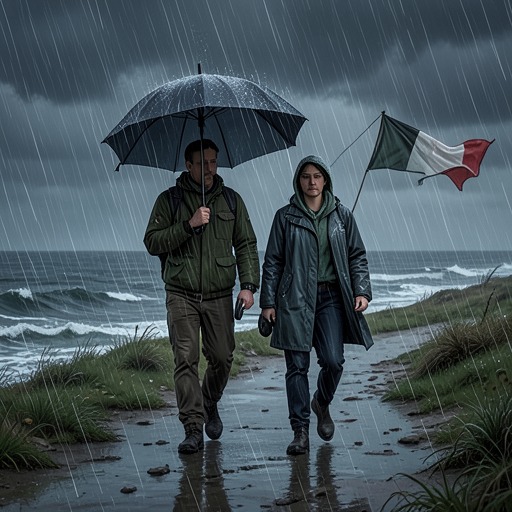
The water came in with urgency, rising beyond the expected tideline and continuing across the beach. The tent had been chosen for its ability to remain upright without pegs, but the situation exceeded even that design: it was hoisted into the air with the airbeds and sleeping bags still inside. The shelter that had seemed secure on carefully chosen ground became an object caught up in the tide.
Moth ran up the beach in his underpants, holding the tent above his head. Even when the seawater ran knee-deep up the freshwater stream, he kept moving. The scene is defined by the contrast between the rising water and his determined movement, and between the tent’s unexpected lift and the practical urgency of getting it clear. The account records the rescue through this physical action rather than through a lengthy explanation: Moth carries the tent, wades, and does not stop.
Strength against expectation
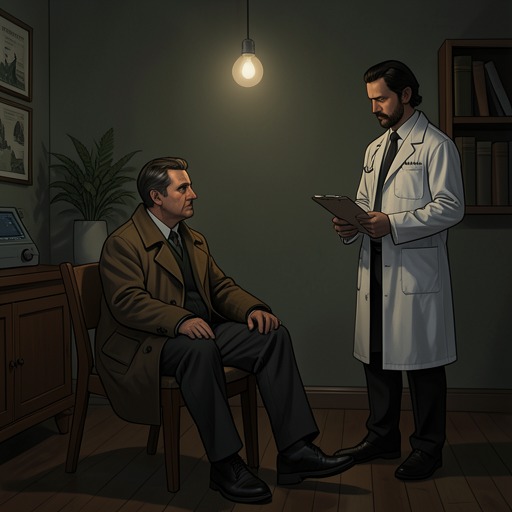
For Ray, Moth’s response was also evidence of a change she believed should not be possible. The doctors had described corticobasal degeneration as a one-way ticket, yet she saw Moth moving with an energy that challenged that prognosis. The episode does not establish a medical explanation for the change; it shows what she witnessed, and how sharply it conflicted with what they had been told to expect.
Moth recognized the change in himself as well. He said, “I’m stronger. I feel as if I can put one foot in front of the other and trust where it’ll land. I’m not dropping things as often.” He also described less shoulder pain and a clearer head, while admitting he did not know whether the improvement was temporary or would disappear if he stopped walking. His account connects the beach rescue to a broader experience of altered strength and coordination, without resolving its cause.
An unresolved explanation
The couple considered competing explanations for Moth’s improvement. Ray suggested that it might be connected to herbal remedies he had received before Newquay; Moth thought it could be intensive physiotherapy and wondered whether he would have to keep walking all his life. The difference between their suggestions matters: both try to make sense of a bodily change, but neither turns the rescue into proof that the illness has been reversed.
The rising-tide incident therefore holds together two realities without reconciling them. Moth’s action is immediate and visible—he lifts the tent and keeps wading—while the meaning of that strength remains uncertain. For Ray, the sight makes the doctors’ prognosis harder to square with lived experience; for Moth, it belongs to a continuing question about what walking has changed and whether that change can last.