Taunton
The Salt PathTaunton is the threshold between Ray and Moth’s temporary refuge with a friend and the homeless journey they begin on foot. They reach the town in early August with their rucksacks, leave the van behind, and take a bus to Minehead; what might have been an ordinary stop on the way becomes the moment when their loss of a home is unmistakable and movement becomes their means of going forward.
A stop reached after a detour
The journey to Taunton had already been delayed. Ray reflects that they could have arrived two days earlier if they had not detoured to Glastonbury. Instead, a visit intended to last an hour led to nearly two weeks sleeping on Jan’s floor while Moth recovered from back pain and stiffness. They eventually needed to leave before their welcome wore out; Jan drove them to Taunton, and they said goodbye after leaving their small van on her drive.
The detour and the stay with Jan offered shelter, but neither provided a durable home. Earlier attempts to find somewhere to settle had exposed how narrow their options were: campsites cost far more than they could afford, campsite fees were not covered by housing benefit, and repossession and a damaged credit rating made renting extremely difficult. The town is therefore reached after a succession of temporary possibilities, not as the destination of a settled plan.
The moment homelessness becomes real
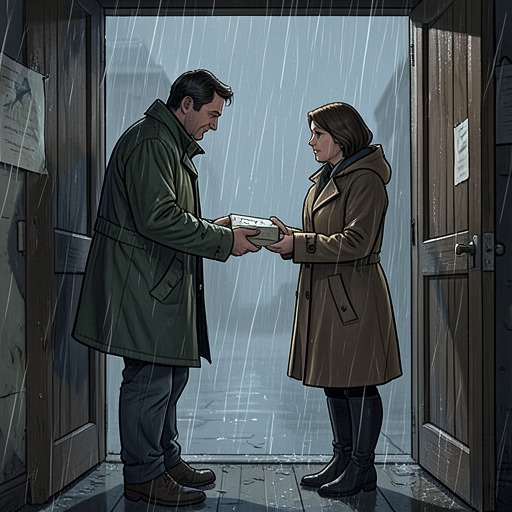
Standing by the roadside in Taunton with their packs at their feet, Ray recognizes that they are truly homeless. Travel and life in a van had previously retained the possibility of return: even an unwanted home was still a door where a bag could be dropped. In Taunton, that imagined point of return has disappeared. The roadside feels, in that moment, like the safest place available, and moving on is not yet an uncomplicated act of freedom.
That recognition distinguishes homelessness from simply being away from home. The change is not just a different sleeping place; it is the loss of a secure destination and of the assumption that departure can be reversed. Taunton gives this altered condition a precise setting: packs on the ground, no home to go back to, and a choice about where to move next.
Choosing the road to Minehead
From Taunton, Ray and Moth decide to take the bus to Minehead and begin the long walk. The decision is practical as well as purposeful: they need a reason to keep moving and a way to shape a future. The fare costs ten pounds each. After the cost of driving to Somerset, food at a motorway service station, and wine given in thanks for keeping the van, Ray has fifty pounds left; forty-eight pounds is due to be deposited in the bank each week.
On the bus, the mood begins to loosen. Ray feels calmer and even a small pulse of excitement, and the pair treat the journey north through Somerset like a day trip to the seaside, bringing out chocolate and bananas. The contrast is central to Taunton’s place in the narrative: the decision to leave is made under severe financial pressure, yet boarding the bus also creates a first, modest sense of forward motion.
A threshold rather than a home
Taunton is not presented as a place where Ray and Moth settle. Its significance lies in the brief interval between goodbye and departure: Jan’s temporary help ends, the couple acknowledge that they have no door to return to, and the bus carries them towards the walk they hope will give their days direction. The town marks the passage from precarious shelter into a journey shaped at once by choice and by the absence of a secure alternative.