Three-year legal battle over Cooper’s claim
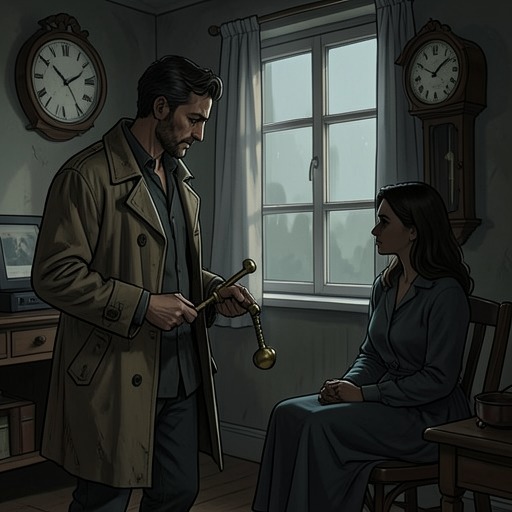
The Salt PathThe three-year legal battle over Cooper’s claim is the decisive rupture that takes Moth and Ray from their restored Welsh farm to homelessness. Although the dispute began with an investment and a former friendship, it ends not with the court weighing the document they believe clears them, but with the judge refusing it as procedurally late. The farm, built into a home and livelihood, is lost; the couple leave the courtroom without the right to appeal and with seven days to vacate.
The investment and the breakdown of trust
Moth and Cooper had been close since childhood. They rode tricycles, played football and shared their teenage years in a circle of friends; even as their adult lives diverged, Moth kept in touch. When an investment opportunity arose in one of Cooper’s companies, Moth and Ray put in a substantial sum. The company later failed, leaving debts unpaid. Cooper argued that the arrangement made them liable for those debts, though Moth and Ray believed the agreement did not say that they were responsible.
The claim grew gradually. At first, Moth and Ray ignored the suggestion that they owed money. Cooper became increasingly insistent, and the dispute continued for years. For Moth, the damage to the friendship initially hurt more than the financial claim: he believed he and Cooper would eventually resolve matters between themselves. That hope ended when a court summons demanding payment arrived. A personal bond had become a legal contest, and the former friend was now the claimant seeking money from them.
Three years in court
The cost of defending the case quickly exhausted Moth and Ray’s savings. They could no longer afford solicitors and had to represent themselves. Their case was classed as too complex to qualify for legal aid, leaving them among the growing number of litigants in person after legal aid reforms. The reforms were said to save £350 million a year; for Moth and Ray, their practical consequence was having to navigate a complicated case without a barrister.
Their main available tactic was to delay proceedings while they sought lawyers and accountants who might help them find written evidence. Without professional representation, they were repeatedly outmanoeuvred. A charge was registered against the farm as security for Cooper’s claim, followed by a claim for possession of the house and land. The threat encompassed more than a building: it meant losing the place Moth and Ray had restored, the tree where their children played, the nesting hole in the wall and the home that had also been their business and sanctuary.
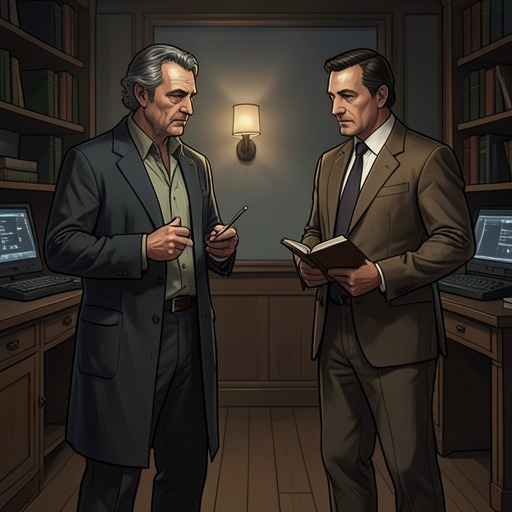
After three years and ten court appearances, they found a document that they believed demonstrated that Cooper had no right to claim the money and that they had no liability for the debts. They sent copies to the judge and the claimant’s barrister and arrived at the hearing expecting that it could save their home. Ray felt confident, wearing a leather jacket her children had given her for her fiftieth birthday. Beside her, Moth picked at a fleck on the courtroom table. His appearance and bearing showed the toll of the prolonged case and the betrayal by a close friend; pain in his shoulder and arm further weakened and distracted him.
The ruling and its immediate consequences
The judge asked whether the document was new evidence. Ray explained that they had received it only four days earlier and argued that it proved what they had maintained throughout the case. The judge refused to accept it because it had not been submitted through the correct procedure. He proceeded to judgment and granted possession to Cooper, ordering Moth and Ray to leave the property within seven days. He dismissed the claim for costs after Ray objected that they had no money and were already losing their home, business and income.
Ray requested the right to appeal. The judge denied that request, saying the case had gone on long enough and that they had had plenty of opportunities to supply evidence. The decisive reversal is procedural: Moth and Ray believe they have finally found proof of the truth, but they have not made the required request to submit further evidence. Their document therefore cannot alter the judgment. As Ray imagines the animals, children, holiday bookings and belongings that must be dealt with in a week, the court’s order turns a legal defeat into an immediate practical emergency. She understands that the home has been lost, and that the error was hers to make because she did not know the procedure.
Outside the courtroom, Moth goes into a side room where the barrister is sitting. Ray fears he may lash out, but he holds out his hand instead. The restrained gesture does not undo the betrayal or the judgment; it marks a choice not to answer the crisis with violence. The couple leave the court silent and stiff, with the loss of the farm settled and no appeal available.
From repossession to homelessness
The ruling leaves Moth and Ray without savings and without a home. Renting proves difficult after repossession, with their credit rating damaged; long-term camping costs more than they can afford, and housing benefit does not cover campsite fees. The council can place them on a waiting list, but they are low priority, and the immediate offer is a room in a bed and breakfast mainly used by people with drug and alcohol problems. A council worker’s assessment of Moth’s illness makes clear that, unless he is expected to die within a year, he is not considered ill enough to qualify as a priority. Moth and Ray decide they would rather be in the tent.
The book sets their experience against the narrow public image of homelessness as a person sleeping rough in a doorway, often presumed to beg or misuse drugs or alcohol. It describes how official counts capture only part of the problem and how the legal history of treating people without homes as idle, suspicious or disorderly continues into modern restrictions on public space. Moth and Ray’s circumstances challenge the stereotype: they have been made homeless by the loss of their home and livelihood after a court case, not by the assumptions commonly attached to rough sleepers. The battle thus reaches beyond the courtroom. Its judgment initiates their life without a fixed home and exposes how legal procedure, access to representation and housing eligibility can compound a financial loss into prolonged insecurity.