Clara
The SandmanClara is the sensible, cheerful, and deeply loving fiancée of Nathaniel in E. T. A. Hoffmann's 'The Sandman', whose rational worldview and emotional steadiness stand in stark contrast to Nathaniel's dark, mystical obsessions. She serves as both his anchor to reality and the target of his violent madness, ultimately surviving his attempt to kill her and finding the quiet domestic happiness he could never provide.
Identity and Introduction
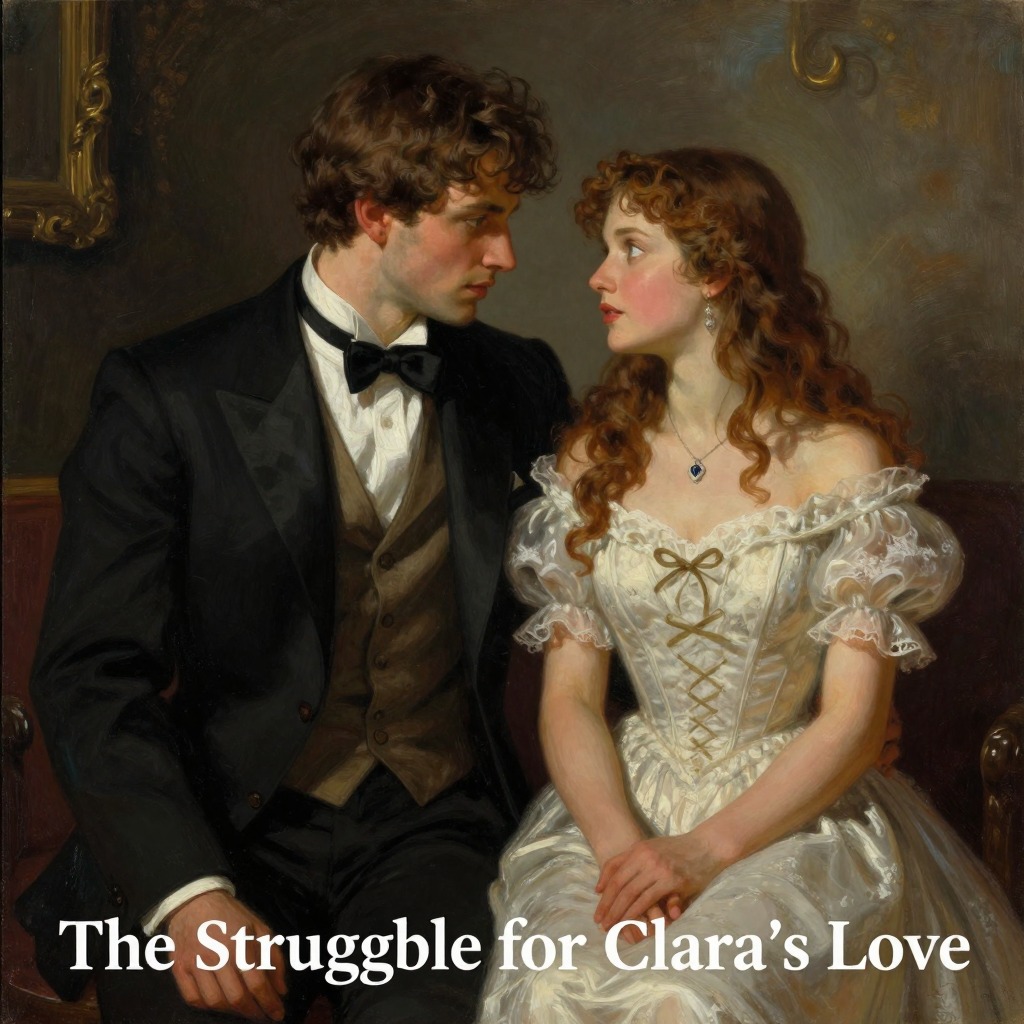
Clara, along with her brother Lothar, was taken in by Nathaniel's mother after the death of their parents, a distant relative. She and Nathaniel developed a deep mutual affection, and they were betrothed before he left to study in G. Clara is described as not conventionally beautiful, yet her appearance captivated artists and poets: architects praised the sleekness and symmetry of her stature, painters admired her Magdalene hair and luminous colouring, and one fantast compared her eyes to a Ruisdael lake mirroring a cloudless sky and lush landscape. Poets and thinkers claimed that heavenly songs and notes streamed from her eyes, awakening dormant passions. She possessed a healthy imagination, a deep womanly gentle disposition, and a sparkling, sharp-sighted intelligence. Mystics and conjurors failed to impress her; her bright gaze and ironic smile dismissed their ephemeral shadow figures. Many scorned her as cold and prosaic, but those with a sober grasp of life held a powerful affection for her, none more so than Nathaniel.
Life and Plot Trajectory
Clara's life is marked by her unwavering love for Nathaniel and her repeated attempts to pull him back from his descent into madness. When Nathaniel, after his traumatic childhood encounter with Coppelius, wrote a letter to Lothar that Clara accidentally opened, she was profoundly upset but soon regained her composure. She wrote back a philosophical response, arguing that the terrible things Nathaniel spoke of happened only in his imagination and that the real outside world played little part. She insisted that Coppelius and Coppola were phantoms of his own troubled self, and that only his belief in their malevolent power gave them power over him. When Nathaniel returned home, she flew into his arms with rapture, and for a time his upset disappeared. However, Nathaniel soon fell into dark brooding spells, and Clara found his mystical musings repugnant. When Nathaniel read her a poem in which Coppelius appeared at their marriage altar and tore out her eyes, Clara, after listening intently, quietly told him to throw the 'raving – senseless – insane fairy tale into the fire.' Nathaniel shoved her away, called her a 'lifeless, accursed automaton,' and ran off. Clara, mortified, wept bitter tears and wailed that he never loved her and did not understand her. Lothar, hearing her accusation, confronted Nathaniel, leading to a duel that Clara prevented by throwing herself between them, crying out that she could not live if her beloved murdered her brother or vice versa. The three reconciled, and Nathaniel spent three blissful days with his loved ones before returning to G.
Key Actions and Objectives
Clara's primary objective is to preserve her love with Nathaniel and to protect him from the dark forces she believes are products of his imagination. She actively tries to exorcize his fears through reason and affection. After Nathaniel's madness outbreak and recovery, she nurses him back to health, bending over him when he awakens and taking him in her arms, declaring, 'At last, at last, oh my dearly beloved Nathaniel, you've pulled through at last, and now you're mine again!' She plans to marry him and move with him, his mother, and Lothar to a small country estate. Her final action is to suggest climbing the town hall tower to gaze at the distant mountains, a decision that leads to the catastrophic tower incident.
Relationships and Conflict
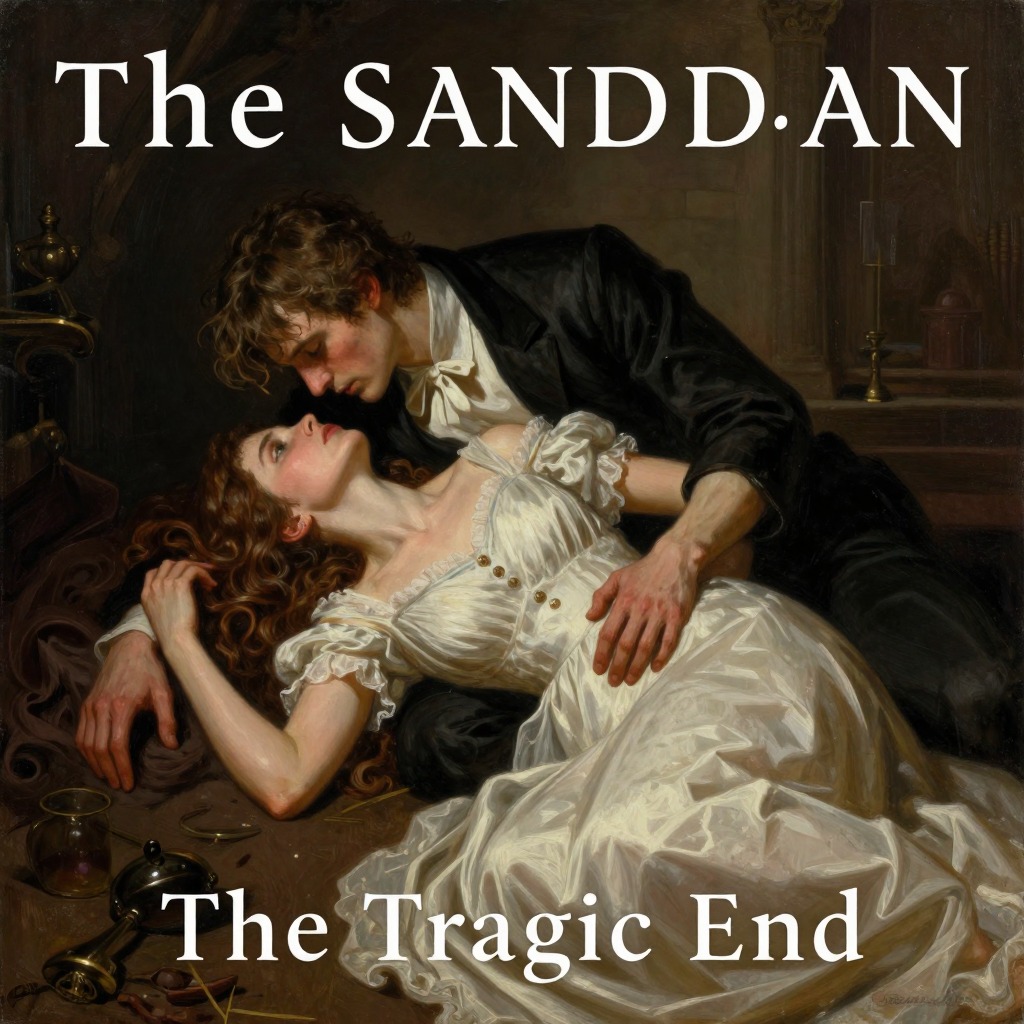
Clara's central relationship is with Nathaniel, which is defined by a fundamental conflict between her rational, life-affirming worldview and his dark, mystical obsessions. She loves him deeply but cannot accept his belief in external demonic forces, insisting that such forces only have power if one believes in them. This conflict culminates in the tower incident, where Nathaniel, triggered by the sight of Clara through Coppola's looking-glass, tries to hurl her off the balcony, screaming 'Turn, little wooden doll, turn!' Clara clings to the metal railing, her piteous screams growing fainter until Lothar rescues her. Her relationship with her brother Lothar is one of mutual love and support; he defends her honor and saves her life. After Nathaniel's suicide, Clara is said to have been spotted in a distant town, seated hand in hand with a friendly man before a lovely country house, with two bouncing boys playing at her feet, suggesting she finally found the quiet domestic bliss that suited her cheerful, life-loving spirit.
Change and Ending
Clara undergoes a profound change from a carefree, loving fiancée to a survivor of a murder attempt and a widow before marriage. She endures Nathaniel's rejection, his madness, and his violent attack. After his death, she does not remain trapped in grief but moves on to a new life. The final report of her sitting with a new partner and children indicates her resilience and her ability to find happiness after trauma. Her ending is one of quiet domestic fulfillment, a stark contrast to Nathaniel's tragic fate.
Thematic Significance
Clara embodies the rational, prosaic, and life-affirming principle that Hoffmann contrasts with Nathaniel's poetic, mystical, and self-destructive tendencies. She represents the 'healthy imagination of a cheerful, unaffected child' and the 'deep womanly gentle disposition' that Nathaniel, in his obsession, rejects. Her insistence that dark forces are mere phantoms of the mind challenges Nathaniel's deterministic worldview and highlights the story's central theme of the power of belief and perception. Her survival and eventual happiness suggest that a balanced, grounded life can withstand the terrors of the imagination, even as the story itself is consumed by Nathaniel's tragic vision. Clara's character also serves as a foil to the automaton Olympia: where Olympia is silent, passive, and ultimately soulless, Clara is articulate, active, and deeply human, capable of both profound love and sharp criticism.