Secrecy from mother
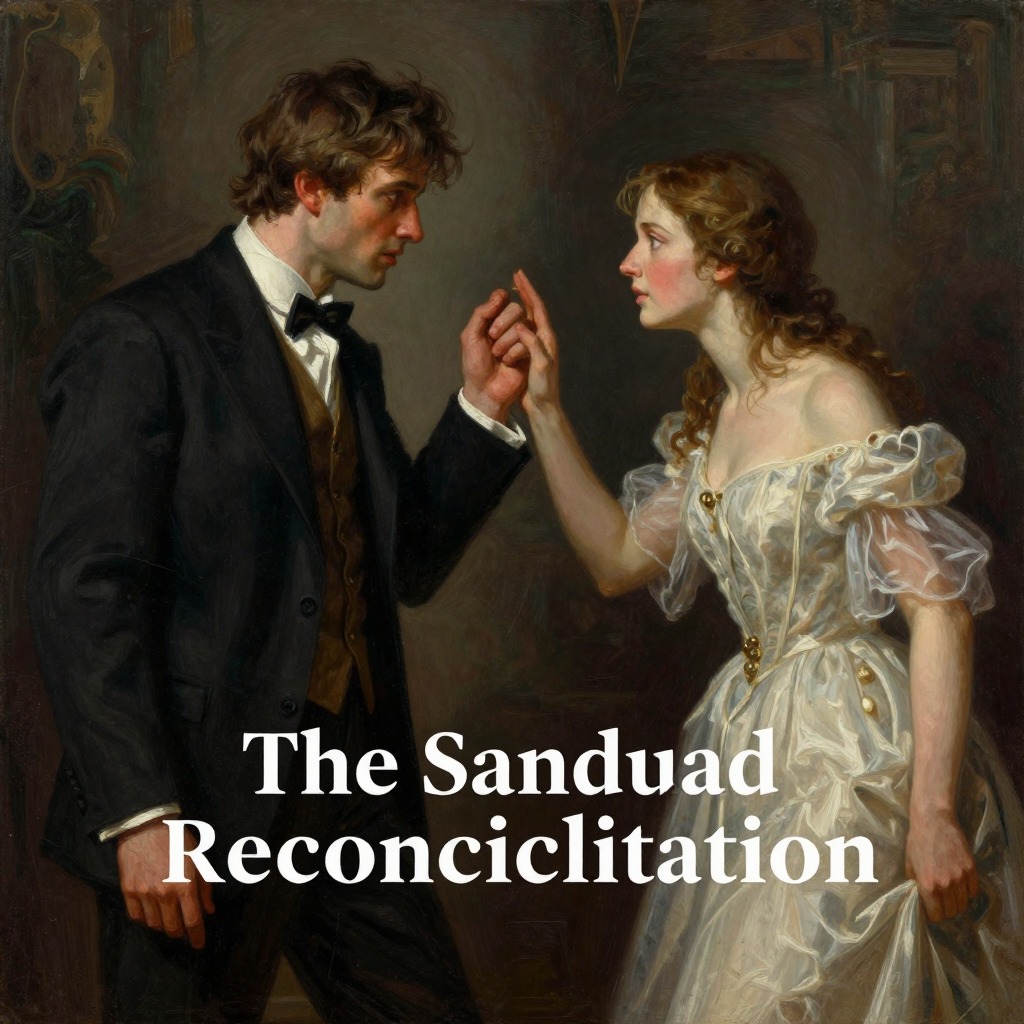
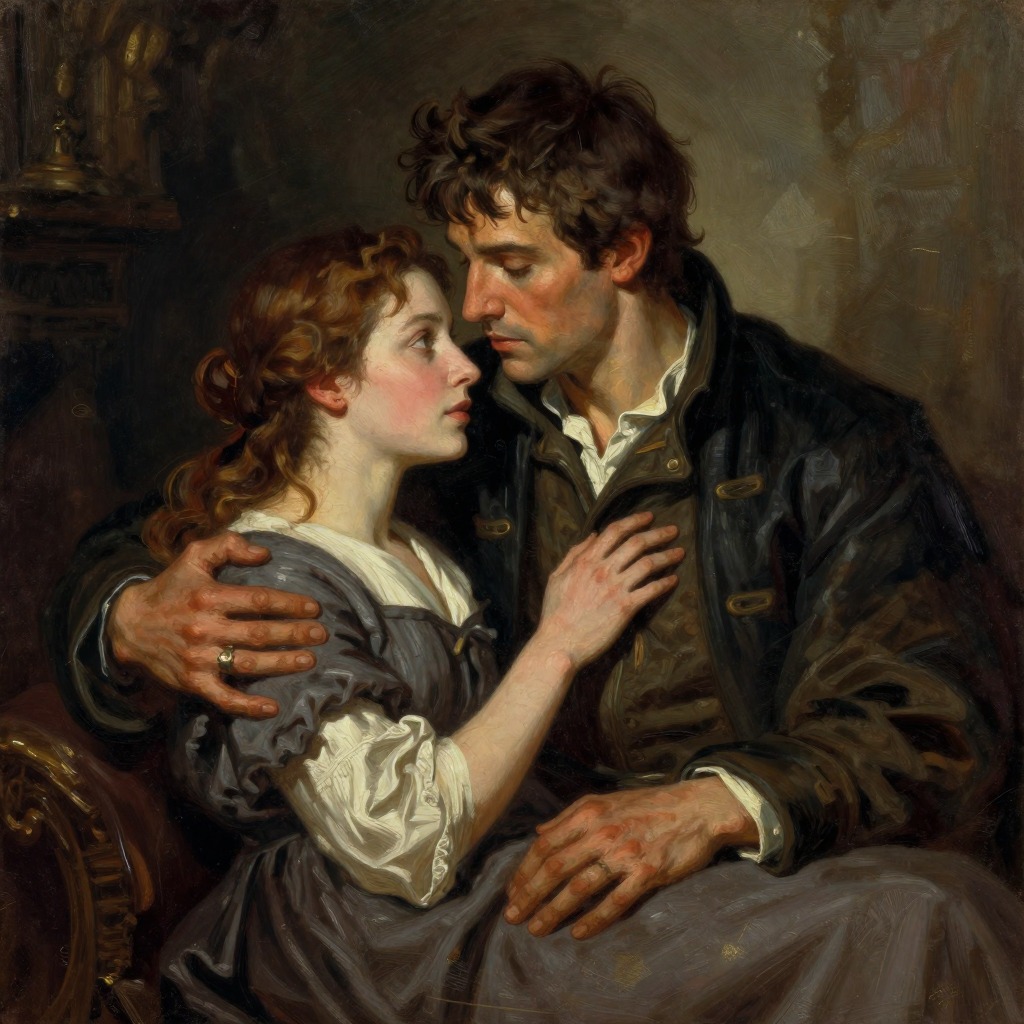
The SandmanThe rule of secrecy from mother is a silent, protective pact that binds Nathaniel, Clara, and Lothar after the violent death of Nathaniel's father. The three young people agree never to tell Nathaniel's mother anything about the barrister Coppelius, whom they all — and especially Nathaniel — blame for the catastrophe. The rule is born from a shared knowledge that she cannot think of Coppelius without trembling, and that any mention of him would reopen a wound that has barely closed. This agreement defines the family's emotional landscape, creating a zone of forbidden speech around the central trauma of their lives.
Origins and Purpose of the Pact
The rule emerges directly from the aftermath of the father's death. When Nathaniel, as a child, witnessed Coppelius hurl him at the hearth and later heard the explosion that killed his father, he cried out, "Coppelius, you cursed Satan, you killed my father!" before losing consciousness. His mother, who lay unconscious at her husband's side, never learned the full truth of what her son had seen. Years later, when Nathaniel writes to Lothar about the barometer salesman who he believes is Coppelius returned, he explicitly instructs: "Don't tell mother a thing about that terrible creature." The command is absolute and unqualified, reflecting not cruelty but a protective impulse: the mother's grief and fear are too raw to bear the weight of Coppelius's reappearance.
The Rule in Practice
The pact holds even during the most intense crises. When Nathaniel returns home after his first encounter with Coppola and falls into dark brooding, and when he later composes a terrifying poem that foresees Coppelius destroying his love for Clara, the three friends keep the secret. They know that the mother, like Nathaniel himself, blames Coppelius for her husband's death, and they fear that any reminder would shatter her fragile peace. The rule thus becomes a form of collective emotional management: the family can function only by walling off the most dangerous knowledge.
The Rule's Violation and Collapse
The secrecy is ultimately broken not by a deliberate revelation but by the catastrophic events that overwhelm all attempts at concealment. When Nathaniel, driven mad by the revelation that Olympia is an automaton and by the reappearance of Coppelius, tries to throw Clara from the town hall tower and then leaps to his own death, the story of Coppelius and Coppola becomes public knowledge. The mother, who had been kept in ignorance, is now confronted with the full horror: her son's madness and suicide are directly linked to the man she already feared. The rule that was meant to protect her instead leaves her unprepared for the final tragedy, and the silence that was supposed to be a shield becomes a space in which the dark forces could operate unchecked.
Thematic Significance
The rule of secrecy from mother embodies the story's central tension between rational protection and the destructive power of the repressed. The characters believe that by hiding the truth they can preserve the mother's sanity and the family's stability, but the very act of concealment allows Coppelius's influence to grow in the shadows. The rule is a microcosm of the larger narrative problem: Nathaniel's refusal to confront the reality of Coppelius — his insistence on treating him as a supernatural demon rather than a human threat — mirrors the family's refusal to speak the truth to the mother. In both cases, what is hidden does not disappear but returns with greater force, until it destroys everything it was meant to save.