The duel between Nathaniel and Lothar
The SandmanThe duel between Nathaniel and Lothar marks the violent climax of Nathaniel's growing estrangement from Clara and his descent into morbid mysticism. What begins as a literary quarrel over a poem quickly escalates into a life-or-death confrontation, resolved only by Clara's dramatic intervention. The event temporarily restores Nathaniel's sanity but also foreshadows the deeper psychological fracture that will ultimately destroy him.
The Quarrel and Its Cause
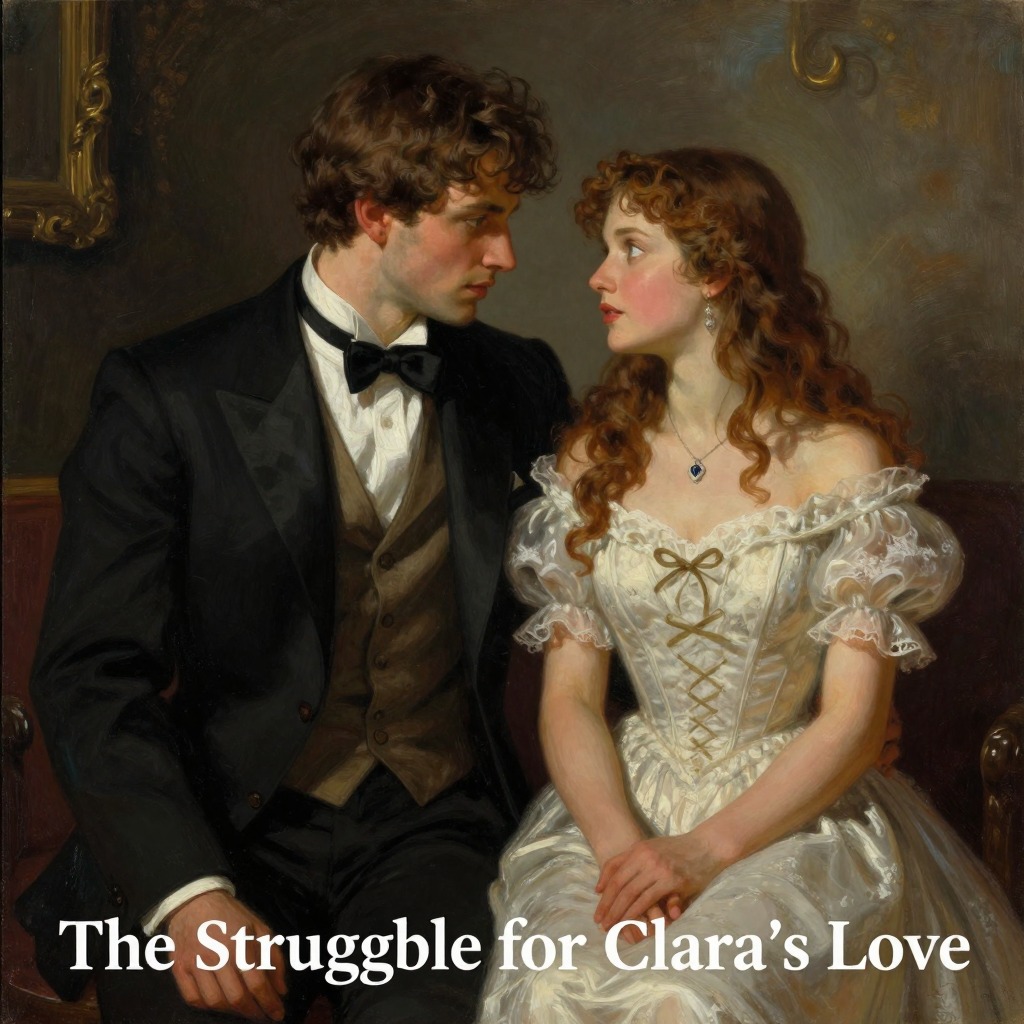
The duel is set in motion when Nathaniel, having spent three days composing a poem that depicts Coppelius destroying his and Clara's love at the marriage altar, reads it aloud to Clara in his mother's little garden. Expecting the same tedious mysticism she had endured before, Clara begins quietly knitting, but as the poem's storm cloud grows darker, she lets the stocking sink into her lap and looks Nathaniel hard in the eye. Swept along by his own poetry, his cheeks flushed and tears welling up, Nathaniel finishes and sobs, 'Oh, Clara! … Clara!' Clara presses him gently to her breast and says quietly but very slowly and succinctly: 'Nathaniel – my dearly beloved Nathaniel! Throw that raving – senseless – insane fairy tale into the fire.' Enraged, Nathaniel shoves Clara away, leaps up, and cries out: 'You lifeless, accursed automaton!' He runs off, leaving Clara completely mortified, weeping bitter tears.
The Challenge and the Duel
Clara's brother Lothar, hearing her wail that Nathaniel never loved her and does not understand her, feels every word of her accusation strike him like a spark. The ill will he had long felt for Nathaniel's muddle-headed mysticism flares into wild anger. He finds Nathaniel and reproaches him with harsh words for his inexplicable treatment of his beloved sister; the irascible Nathaniel replies in kind. A wild and crazy fop faces off with a miserable, mundane man of the people. A duel is inevitable. They decide, according to local academic custom, to meet behind the garden and draw sharp-bladed rapiers. Silently and stealthily they slip by; Clara, having heard the heated argument and spotted the duelling master bringing the rapiers at dusk, guesses what is about to happen. Lothar and Nathaniel reach the duelling ground and fling off their coats in brooding silence, a bloodthirsty fury pouring from their burning eyes.
Clara's Intervention and Reconciliation
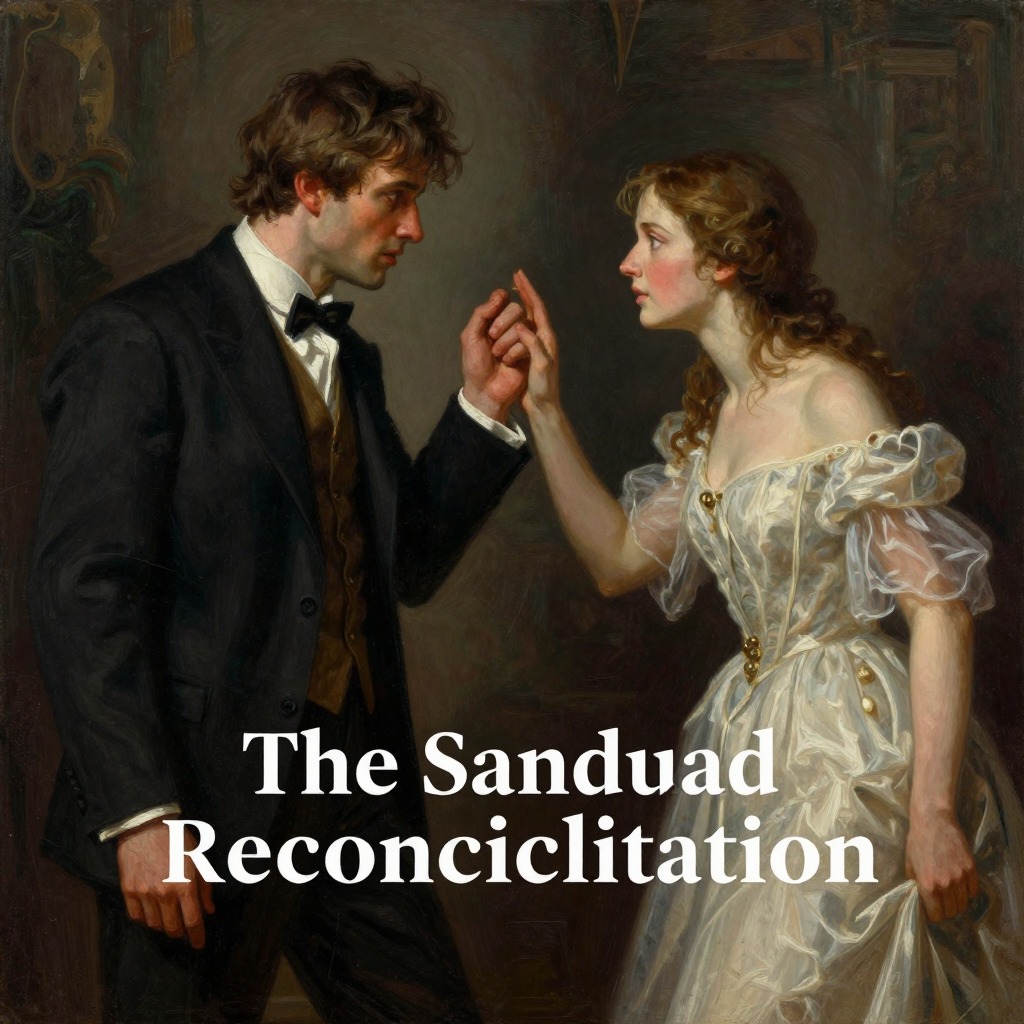
Just as the two men are about to fight, Clara comes bounding through the garden gate, sobbing. She cries out: 'Oh you barbaric beastly men! Cut me down right this moment before going at it with each other; for how am I supposed to go on living in this world if my beloved murders my brother, or my brother my beloved!' Lothar lets his sword sink and peers at the ground in silence. All the heart-rending love Nathaniel had felt in the sweet days of youth for his precious Clara once again flares up in him. The deadly weapon falls from his hand and he flings himself at Clara's feet, begging forgiveness from both her and Lothar. Stirred by the profound pain of his friend, Lothar is moved; the three young people, now reconciled, embrace in a flood of tears and swear henceforth faithfully to hold by their love.
Aftermath and Temporary Recovery
Nathaniel feels as though a heavy weight that had pressed him to the ground has been lifted from his shoulders – indeed as though in resisting the dark force that had held him in its sway he has saved his entire being from the threat of annihilation. He spends three more blissful days with his loved ones and then rides back to G., where he must complete another year of study before returning for good to his native town. The reconciliation, however, proves fragile. The very word Nathaniel used to insult Clara – 'automaton' – will return with devastating literal force when he later falls in love with Olympia, Spalanzani's lifeless mechanical doll. The duel thus serves as both a temporary catharsis and an ironic prefiguration of Nathaniel's final, irreversible madness.