
Saladin Chamcha’s Reinvention and Return
The Satanic VersesSaladin Chamcha’s life traces a self-fashioned English identity through exile, bodily transformation, revenge, forgiveness, and a final return to his earlier name and family.
increasing Bearing strength in each event
 decreasing
Bearing strength in each eventdecreasingThe Stolen Wallet
A First Image of England
The Promise of Elsewhere
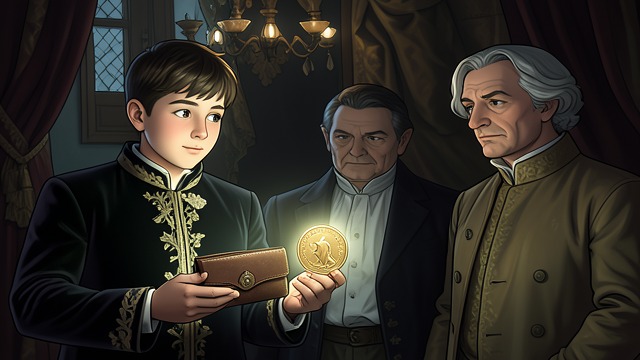
As a boy, Saladin Chamcha finds a wallet full of British pounds and imagines it as a rainbow leading to England. His father, Changez Chamchawala, takes the money and tells him that money is dirty, turning an image of escape into a grievance that helps define the child’s future.
A Desire to Leave
The promised magic lamp and the wallet become paired symbols: power withheld by a father and possibility glimpsed beyond home. After a sexual assault on the rocks near his childhood home, Saladin concentrates on escaping Bombay, associating departure with safety and self-determination.
His longing for England is therefore both an aspiration and a defense. He begins to imagine that a new place can make a new self possible, before he has learned how costly such a transformation may be.
The English Mask
Learning to Perform
Becoming Saladin
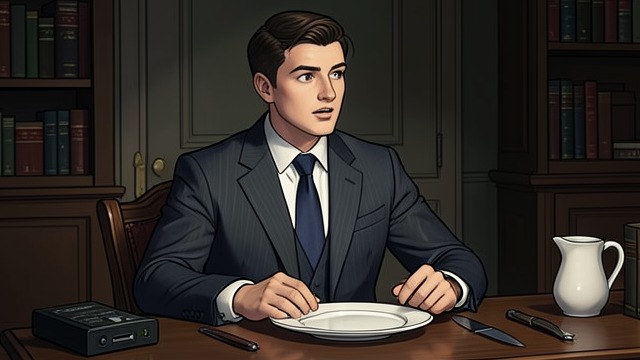
At thirteen, Saladin leaves India for an English education. His first weeks in London are dominated by money worries and unfamiliar rules; at school, the ordeal of eating a kipper without guidance teaches him that acceptance will have to be earned without much help.
A Constructed Identity
He adopts English manners, a cultivated voice, and a carefully composed appearance. His chosen name and accent help him enter a professional life, while his work as a voice actor lets him imitate many people without making his own face central.
The performance brings success but also deepens his separation from his origins. Saladin treats his identity as something he can edit and control, even as the rejected past continues to surface in his voice and in his discomfort with belonging.
The Goat in England
A Body That Refuses the Mask
Arrest and Transformation
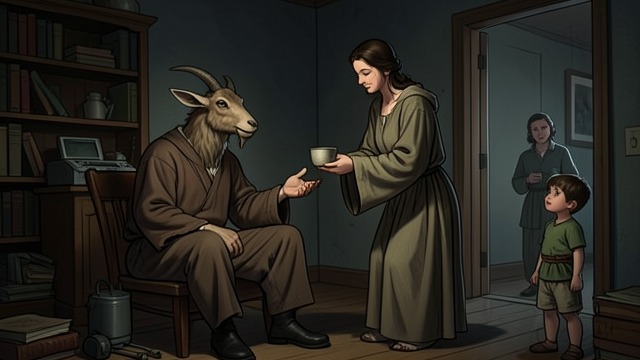
After the destruction of the Bostan, Saladin survives the fall with Gibreel Farishta, reaches the English coast, and is mistaken for an undocumented migrant. Immigration officers assault and humiliate him; his body becomes goatlike, giving visible form to the foreignness he had spent years trying to conceal.
Rejected by the World He Chose
At the Shaandaar Café, Saladin initially rejects the care offered by Muhammad Sufyan’s household, insisting that he is not one of their people. Yet he relies on the Sufyans and joins their community, while their daughters treat his frightening appearance as a possible source of power rather than a reason for shame.
As he becomes a public symbol reclaimed by Black and Asian residents, Saladin’s private suffering is turned into a political image he never intended. His anger first makes the transformation more monstrous, then helps him recover his human form, though it does not restore the old life he wanted.
The Revenge of the Voice
A Return to Harm
Rehearsing Ordinary Life
After his transformation recedes, Saladin moves back into his house and tries to resume ordinary routines. He reconciles himself to living under the same roof as Pamela Chamcha and Jumpy Joshi, and tells himself that hatred has faded and that the surreal events can be put behind him.
Making a Voice into a Weapon
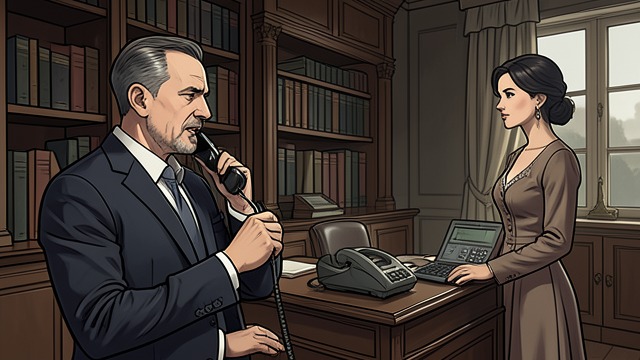
The reunion with Gibreel Farishta awakens older resentments: Gibreel’s silence when Saladin was taken away, his public success, and his apparent indifference to the damage done to others. Saladin exploits his gift for accents to make anonymous, sexually threatening telephone calls to Gibreel and Alleluia Cone, gradually feeding Gibreel’s jealousy and delusions.
The calls turn Saladin’s former professional talent into a concealed instrument of revenge. He helps provoke the rupture between Gibreel and Alleluia, then discovers that a carefully rehearsed return to normality has not made him harmless or free of the past.
The Son Comes Home
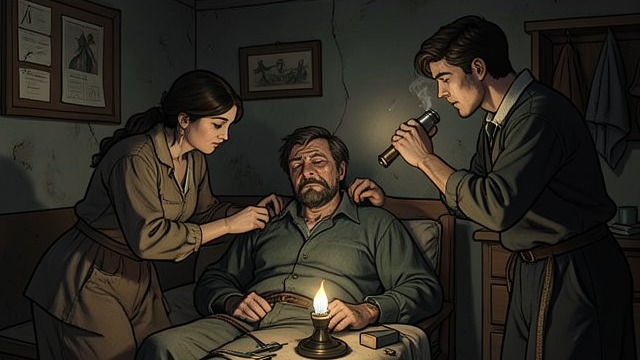
Forgiveness at the Bedside
A New Name, an Old House
When a message arrives that his father, Changez Chamchawala, is dying, Saladin sets aside his reluctance and returns to Bombay. He finds Changez gravely ill in the family home, with Nasreen II and Kasturba caring for him; the immediate urgency of death briefly quiets their long history of conflict.
Accepting the Inheritance
Saladin helps care for his father, shaves him, and finally asks for reconciliation. Changez tells him that the old grievances no longer matter, and, once Saladin has been told the truth about the cancer, he stays beside him as he dies.
After the funeral, Saladin rubs the inherited lamp and finds Zeenat Vakil waiting. He accepts a new chance at intimacy and begins to think of himself as Salahuddin again, without believing that a recovered name can erase what came before. His return is not a restoration of childhood but a choice to live with the history he had tried to escape.
Saladin Chamcha’s childhood at Scandal Point
From Saladin’s adolescence through his years in London
After the Bostan disaster, during the months in the Shaandaar
After Saladin’s recovery and before the Brickhall fire
After the Brickhall fire, during Changez Chamchawala’s final illness
