The Brook
The Scarlet LetterThe Brook is a small stream that flows through the forest near the Puritan settlement of Boston, appearing most prominently in the scenes of Hester Prynne's forest meeting with Arthur Dimmesdale and Pearl's subsequent refusal to cross it. It is not merely a geographical feature but a richly symbolic presence that mirrors the emotional and moral states of the characters, particularly Hester and Pearl, and marks a threshold between the realm of hidden sin and the realm of open shame.
Location and Description
The Brook is located in a secluded dell within the forest, where Hester and Dimmesdale hold their fateful conversation. It flows over a bed of fallen and drowned leaves, with trees hanging over it and occasionally dropping branches that choke its current, forming eddies and dark pools. In some places it runs swiftly over pebbles and sparkling sand, but its overall character is melancholy: it keeps up a constant babble that is "kind, quiet, soothing, but melancholy, like the voice of a young child that was spending its infancy without playfulness" . The brook's course is mysterious, disappearing amid tree trunks and underbrush, as if the forest itself is intent on hiding its secrets.
Symbolic Role as a Boundary
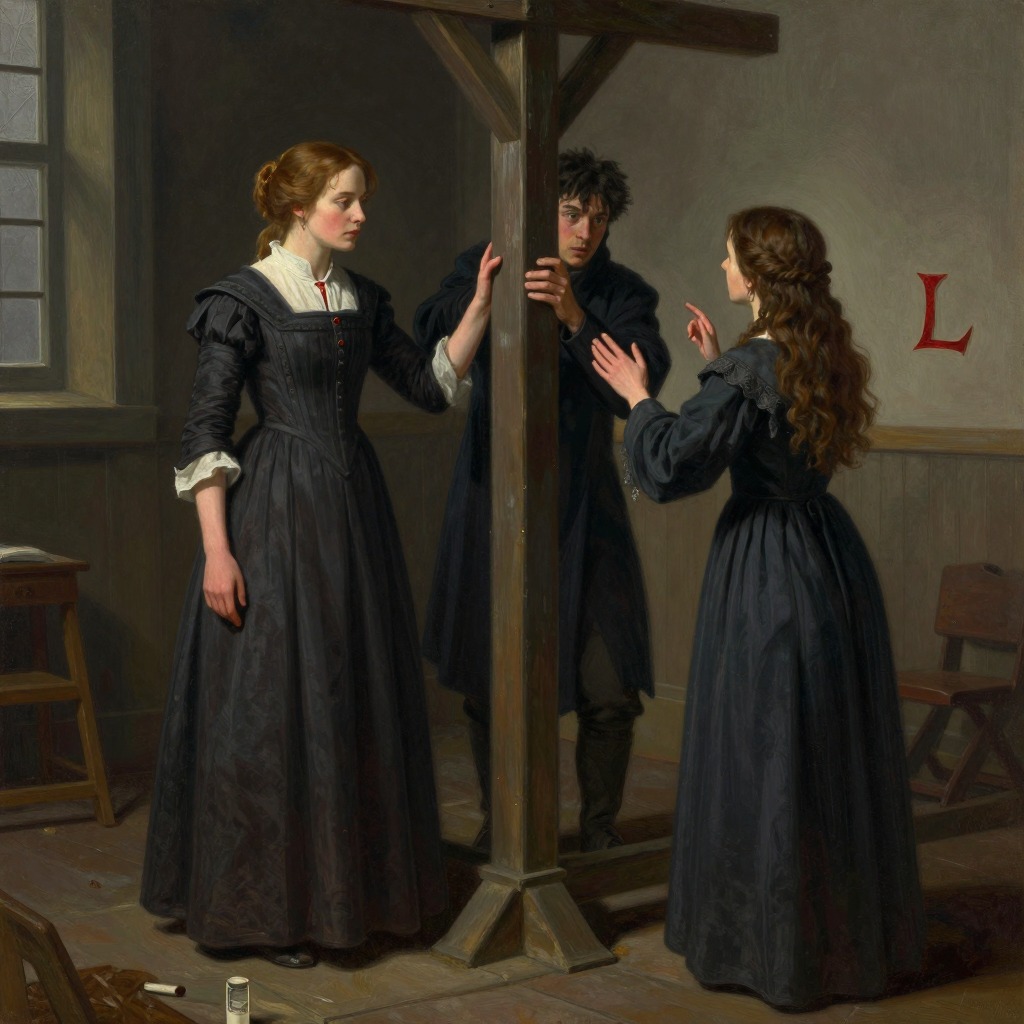
The Brook functions as a boundary between two worlds. When Pearl stands on the far side, refusing to cross to her mother and the minister, the sensitive minister observes, "this brook is the boundary between two worlds, and that thou canst never meet thy Pearl again" . It separates the realm of nature and freedom—where Hester has removed the scarlet letter and let down her hair—from the realm of social order and shame. Pearl's refusal to cross until Hester resumes the letter underscores the brook's role as a test of authenticity: the child will not accept her mother without the symbol of her identity, however painful.
Mirror and Reflection
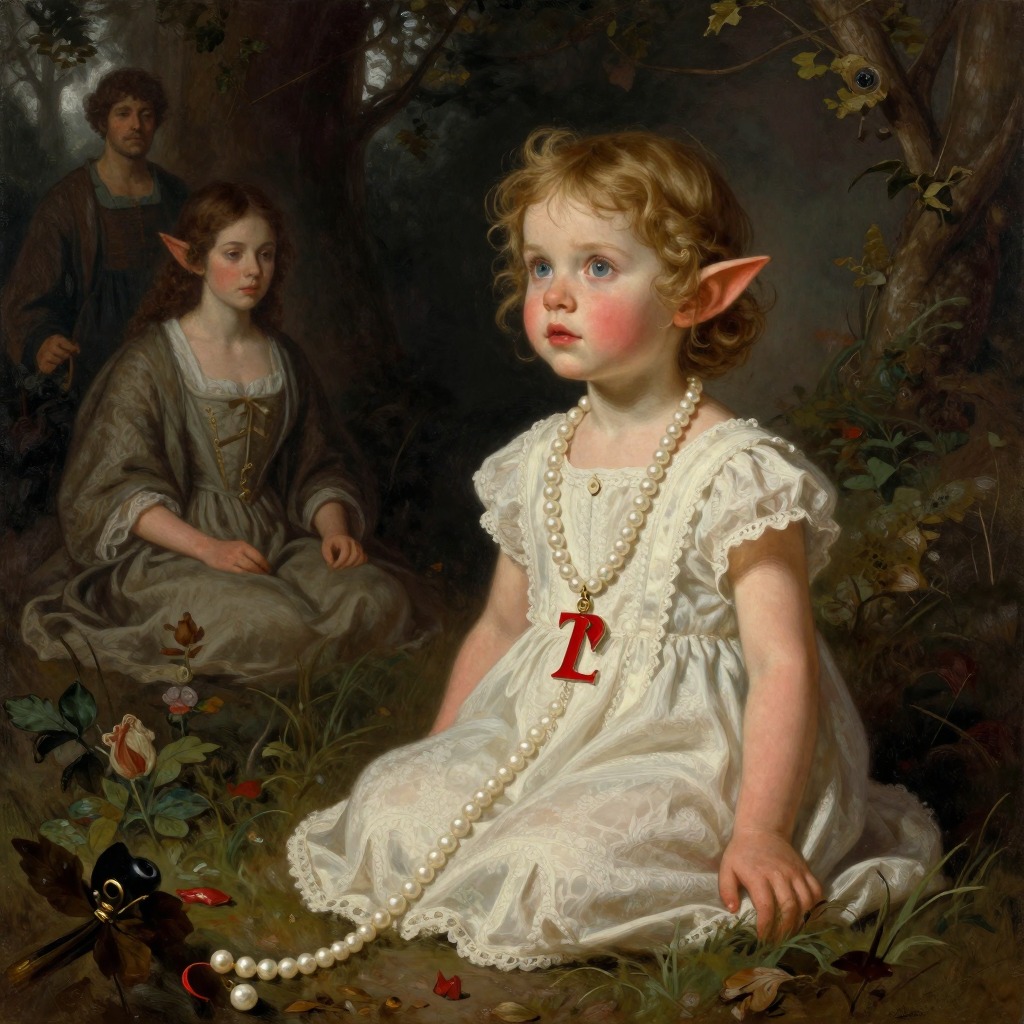
The Brook also serves as a mirror, reflecting Pearl's image with a "perfect image of her little figure, with all the brilliant picturesqueness of her beauty, in its adornment of flowers and wreathed foliage, but more refined and spiritualized than the reality" . When Pearl points her forefinger at Hester's bosom, the reflection in the brook repeats the gesture, creating a doubling effect that emphasizes the child's role as a living embodiment of the scarlet letter. The brook's surface thus becomes a medium of truth, revealing the connection between mother and child that Hester tries to hide.
Connection to the Scarlet Letter
The Brook is directly linked to the scarlet letter itself. After Hester removes the letter and throws it among the withered leaves, it lands on the verge of the stream, with its gold embroidery reflected in the water . The brook would have carried the letter away if it had fallen in, adding "another woe to carry onward, besides the unintelligible tale which it still kept murmuring about" . When Pearl demands that Hester retrieve the letter, the brook becomes the site of Hester's reacceptance of her shame. The brook's melancholy murmur is thus associated with the burden of sin and the impossibility of escaping it.
Thematic Significance
The Brook embodies the novel's themes of sorrow, secrecy, and the persistence of the past. Its constant, sad babble is likened to a child's voice that has "gone through so solemn an experience that it could not help talking about it" . Pearl, who resembles the brook in her mysterious origin and gloomy experience, nevertheless dances and sparkles unlike the stream, suggesting her potential for joy despite her origins. The brook's final appearance in the novel comes after the forest meeting, when it is left to whisper of what passed there, "with not a whit more cheerfulness of tone than for ages heretofore" . It remains a permanent witness to the characters' anguish, a natural symbol of the unending consequences of sin.