Cholera outbreak in India
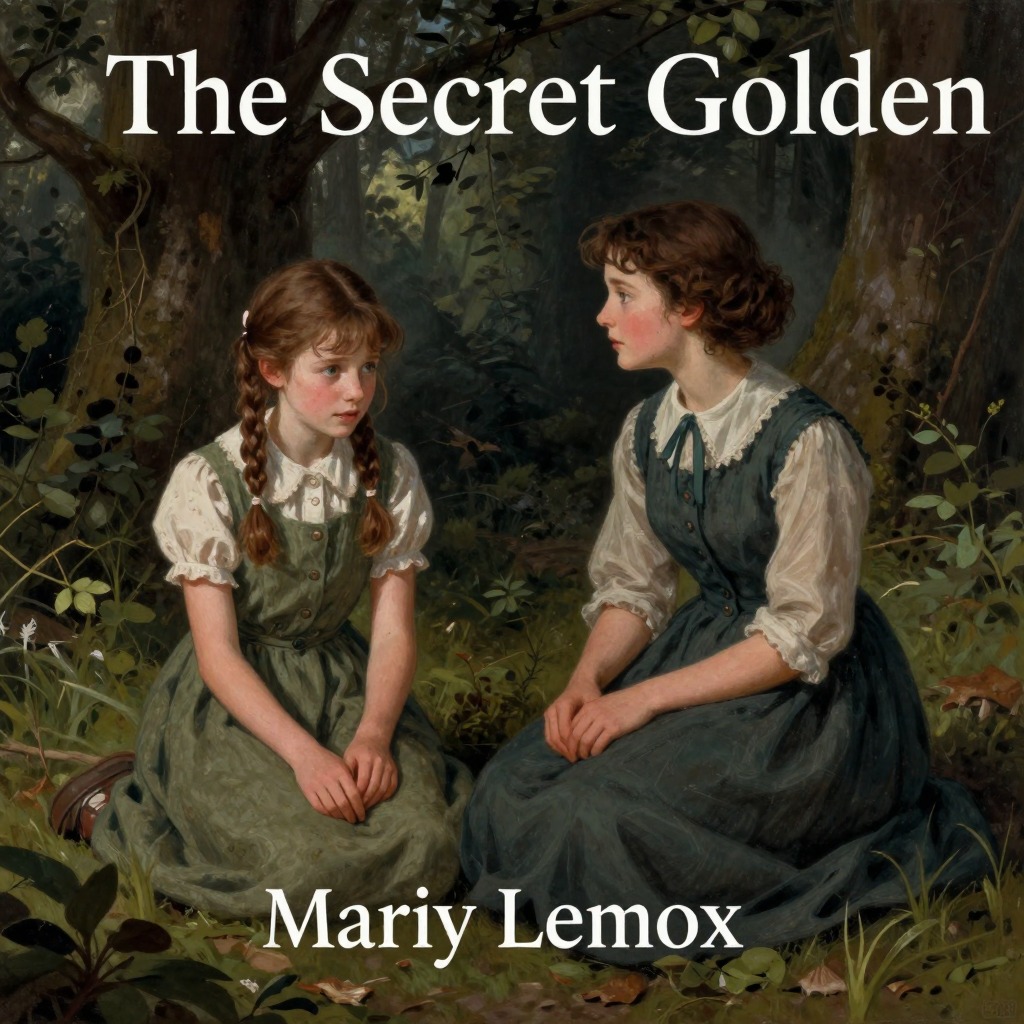
The Secret GardenThe cholera outbreak in India is the catastrophic event that orphans Mary Lennox, stripping her of her family and servants and setting her on the path to Misselthwaite Manor, where the entire story unfolds.
Causes and Background
The cholera epidemic struck the Lennox household in India with sudden and fatal force. Mary Lennox, then about nine years old, awakened one morning to find that her Ayah had not come to her bedside; a strange, frightened woman stammered that the Ayah could not come. The household was in chaos: several native servants were missing, and those who remained slunk about with ashy, scared faces. Mary's mother, the Mem Sahib, came out onto the veranda with a fair young officer, and Mary overheard her ask in terror, "Is it so very bad? Oh, is it?" The officer replied, "Awfully, Mrs. Lennox. You ought to have gone to the hills two weeks ago." The Mem Sahib wrung her hands and cried that she had stayed only to attend a dinner party. At that moment, a loud wailing broke out from the servants' quarters, growing wilder and wilder. The officer explained that someone had died, and that the cholera had broken out among the servants. The Mem Sahib ran into the house.
What Happens
The cholera proved fatal in its most extreme form, and people died like flies. The Ayah had been taken ill in the night and had just died, which was why the servants wailed. Before the next day, three other servants were dead, and others had run away in terror. Panic spread everywhere, with dying people in all the bungalows. During the confusion of the second day, Mary hid herself in the nursery and was forgotten by everyone. She alternately cried and slept, hearing mysterious and frightening sounds. She crept into the dining-room and found it empty, with a partly finished meal on the table and chairs pushed back hastily. She ate some fruit and biscuits, drank a glass of sweet wine that made her intensely drowsy, and then returned to her nursery, where she fell into a deep sleep. Many things happened during those hours—wails and the sound of things being carried in and out of the bungalow—but Mary was not disturbed. When she awakened, the house was perfectly still. She heard nothing but a little snake rustling on the matting. Then she heard men's footsteps and voices. One voice said, "What desolation! That pretty, pretty woman! I suppose the child, too." When the men opened the nursery door, they found Mary standing alone. A large officer, startled, cried out, "Barney! There is a child here! A child alone!" Mary announced herself: "I am Mary Lennox." The young man named Barney looked at her sadly and said, "Poor little kid! There is nobody left to come." In that strange and sudden way, Mary found out that she had neither father nor mother left; they had died and been carried away in the night, and the few native servants who had not died had left the house as quickly as they could, none of them remembering that there was a Missie Sahib. The bungalow was empty except for Mary and the little rustling snake.
Consequences and Aftermath
The cholera outbreak left Mary an orphan, utterly alone and forgotten in the deserted bungalow. She was taken first to the house of an English clergyman, where she was miserable and disliked by the other children, who nicknamed her "Mistress Mary Quite Contrary." Soon after, she was sent to England to live with her uncle, Archibald Craven, at Misselthwaite Manor. This journey and her arrival at the strange, gloomy manor set the stage for her discovery of the secret garden, her friendship with Dickon Sowerby, and her transformative role in the life of her cousin, Colin Craven. The cholera thus functions as the initiating catastrophe that uproots Mary from her known world and propels her into the narrative of healing and renewal that follows.