Lilias Craven
The Secret GardenLilias Craven, née Lilias, was the wife of Archibald Craven and the mother of Colin Craven. Though she dies before the novel's present action, her presence permeates Misselthwaite Manor as a figure of lost beauty, joy, and connection. She is remembered as "a sweet, pretty thing" whom Archibald "would have walked the world over to get her a blade o' grass she wanted," and her death in the secret garden—after a fall from a tree branch—is the catastrophic event that locks the garden for ten years, drives her husband into reclusive grief, and leaves her son Colin to grow up believing himself unloved and doomed to deformity.
Appearance and Personality
Lilias Craven is consistently described as a beautiful and lively young woman. Her portrait, kept in Colin's room behind a rose-colored silk curtain, shows "a girl with a laughing face" who has "bright hair tied up with a blue ribbon" and "gay, lovely eyes" that are agate gray, rimmed with black lashes. Colin notes that she smiles too much, and Mary Lennox observes that she is "much prettier" than herself. Mrs. Medlock recalls her as "a sweet, pretty thing," and Ben Weatherstaff, the old gardener who knew her, speaks of her with enduring fondness: "She was such a pretty young thing." Her manner was gentle and affectionate; Ben remembers her bending over roses and kissing them "like they was children—or robins." She had a playful, appreciative relationship with the natural world, and Ben says she was "main fond" of flowers that pointed up to the blue sky, which she thought "allus looked so joyful."
Marriage and the Secret Garden
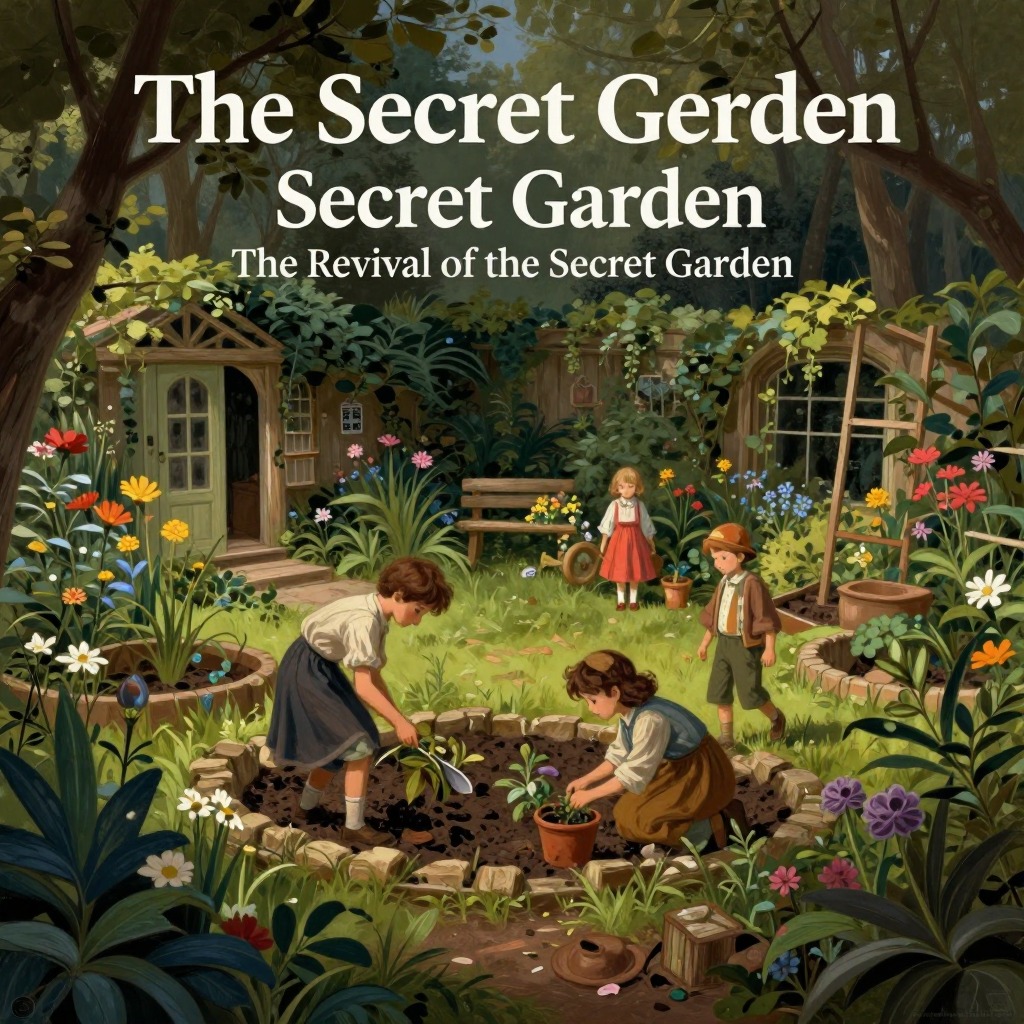
Lilias married Archibald Craven despite the widespread belief that she did so for his money; Mrs. Medlock insists this was false. The couple shared a deep bond centered on the walled garden that Lilias created and loved. They tended the flowers themselves, allowing no gardener inside, and spent hours there together, reading and talking. Within the garden stood an old tree with a branch bent like a seat, where Lilias would sit. One day the branch broke, she fell, and she died the next day from her injuries. The garden was immediately locked by Archibald, who buried the key and forbade anyone to enter or speak of it. This act of grief-driven prohibition becomes the central mystery of the novel.
Death and Its Aftermath
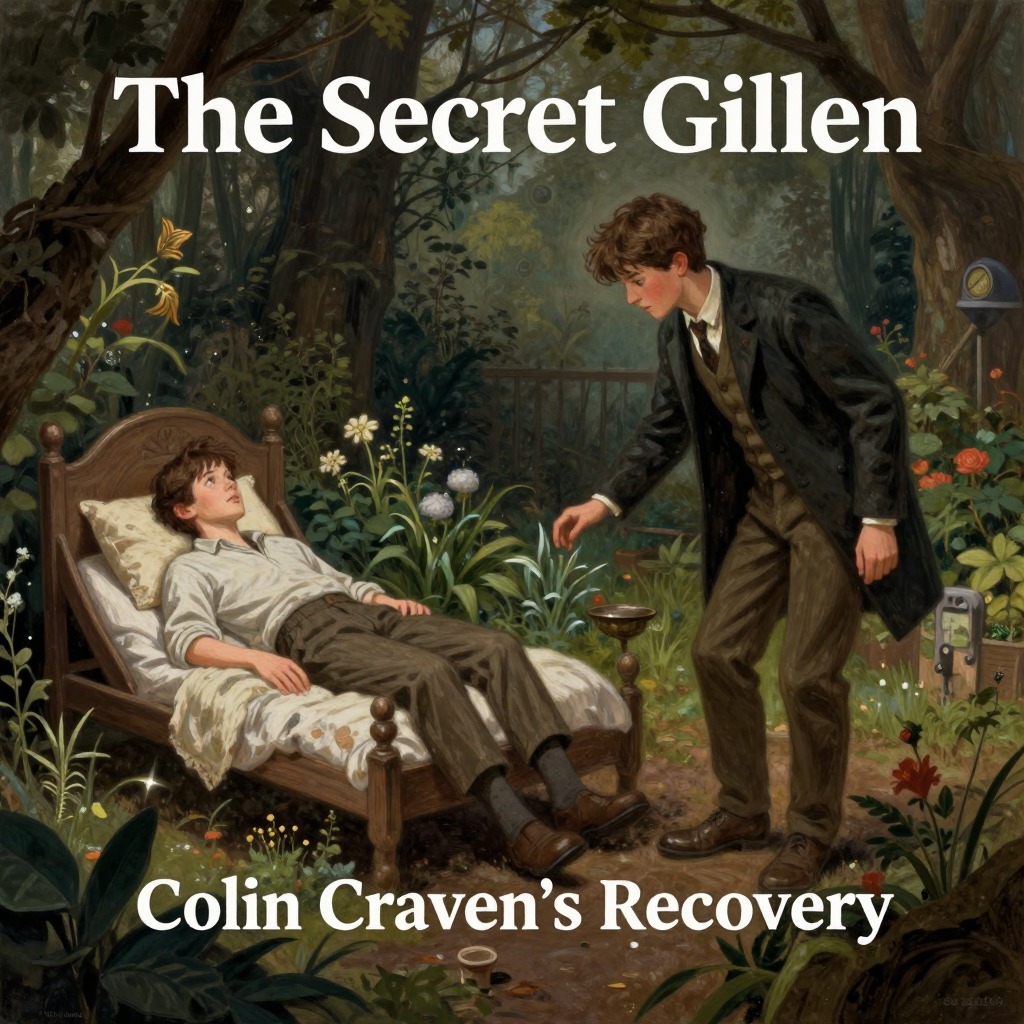
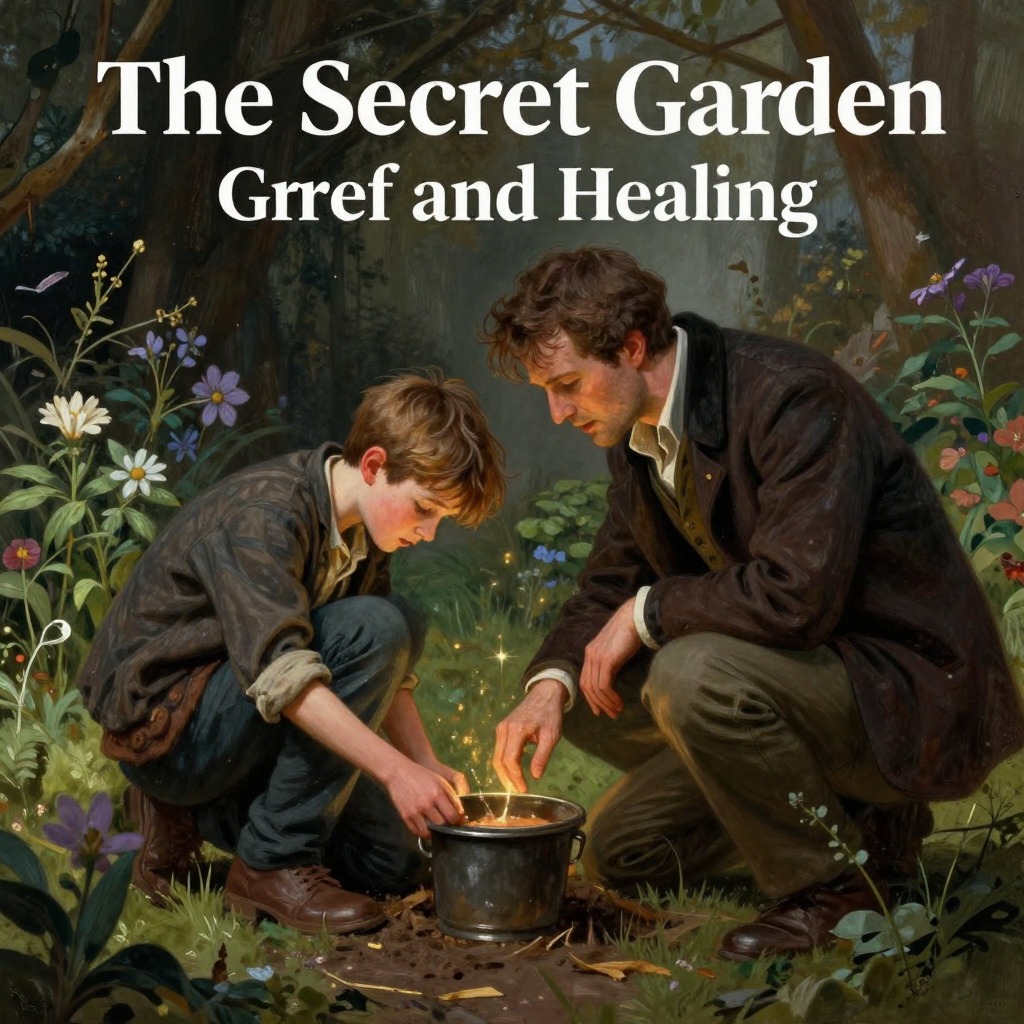
Lilias's death had devastating consequences for both her husband and her son. Archibald Craven, already a man with a crooked back, became "queerer than ever," refusing to see people, shutting himself in the West Wing, and traveling constantly to avoid the house. He could not bear to look at his newborn son, Colin, because the child's eyes were so like Lilias's—yet so different in their misery. Colin himself grows up believing his father hates him, and he is haunted by the fear that he will become a hunchback like his father. The garden, once a place of joy, becomes a symbol of loss and prohibition.
Posthumous Presence and Narrative Role
Lilias Craven functions as a spectral, unifying force in the novel. Her portrait, when finally revealed by Colin, shows eyes identical to his own—"agate gray and looking twice as big as they really were because of the black lashes all round them." Colin initially hates her for dying, but later, as he grows stronger, he draws back the curtain and feels that she is laughing at him with gladness. In a dream, Archibald hears her voice calling him from the garden—"Archie! Archie!"—and this dream, combined with Susan Sowerby's letter, prompts his return to Misselthwaite. The garden itself, restored by the children, becomes a living memorial to her spirit. Ben Weatherstaff, who secretly tended the roses for years after her death, says, "She was so fond of it—she was!" and Susan Sowerby tells Colin, "Thy own mother's in this 'ere very garden, I do believe." Lilias Craven thus remains the emotional and symbolic center of the story: the lost beloved whose garden, once resurrected, brings healing to her husband and son.