Play-Acting Rule
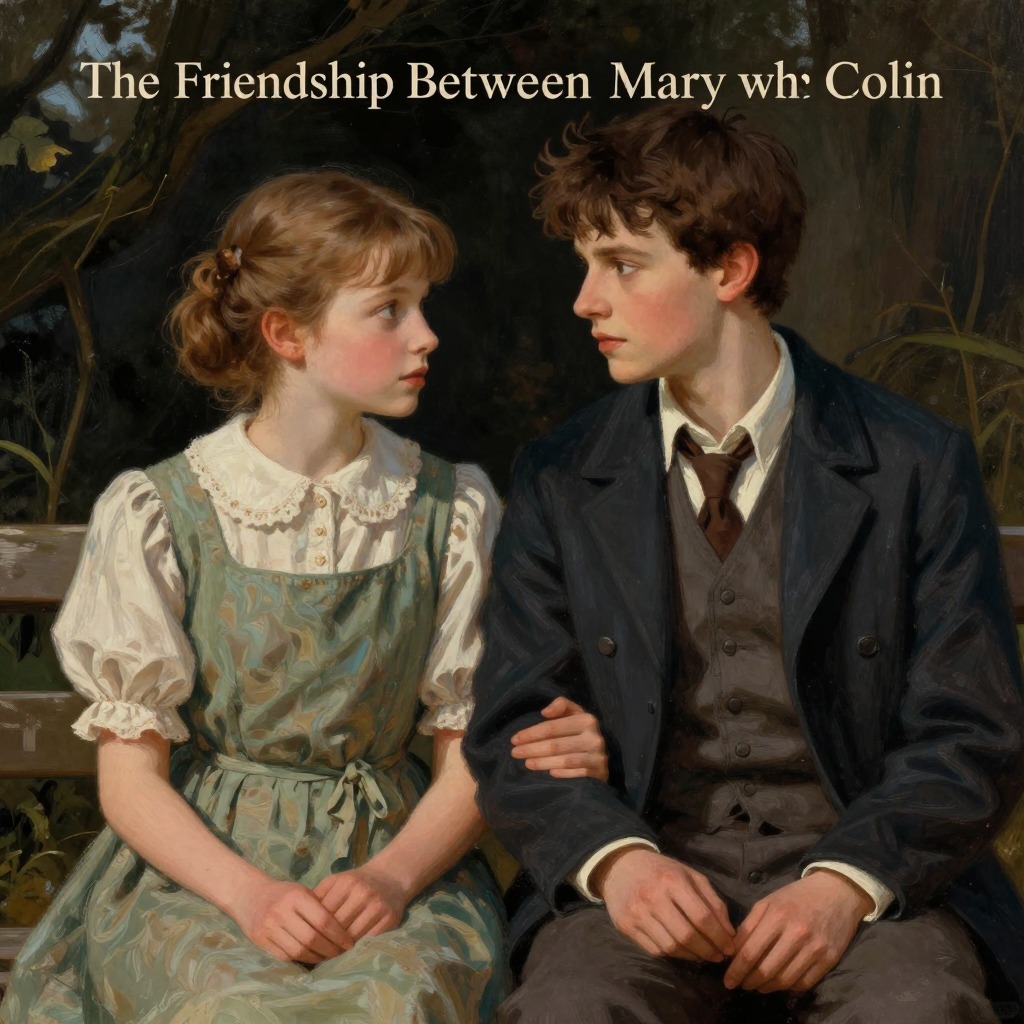
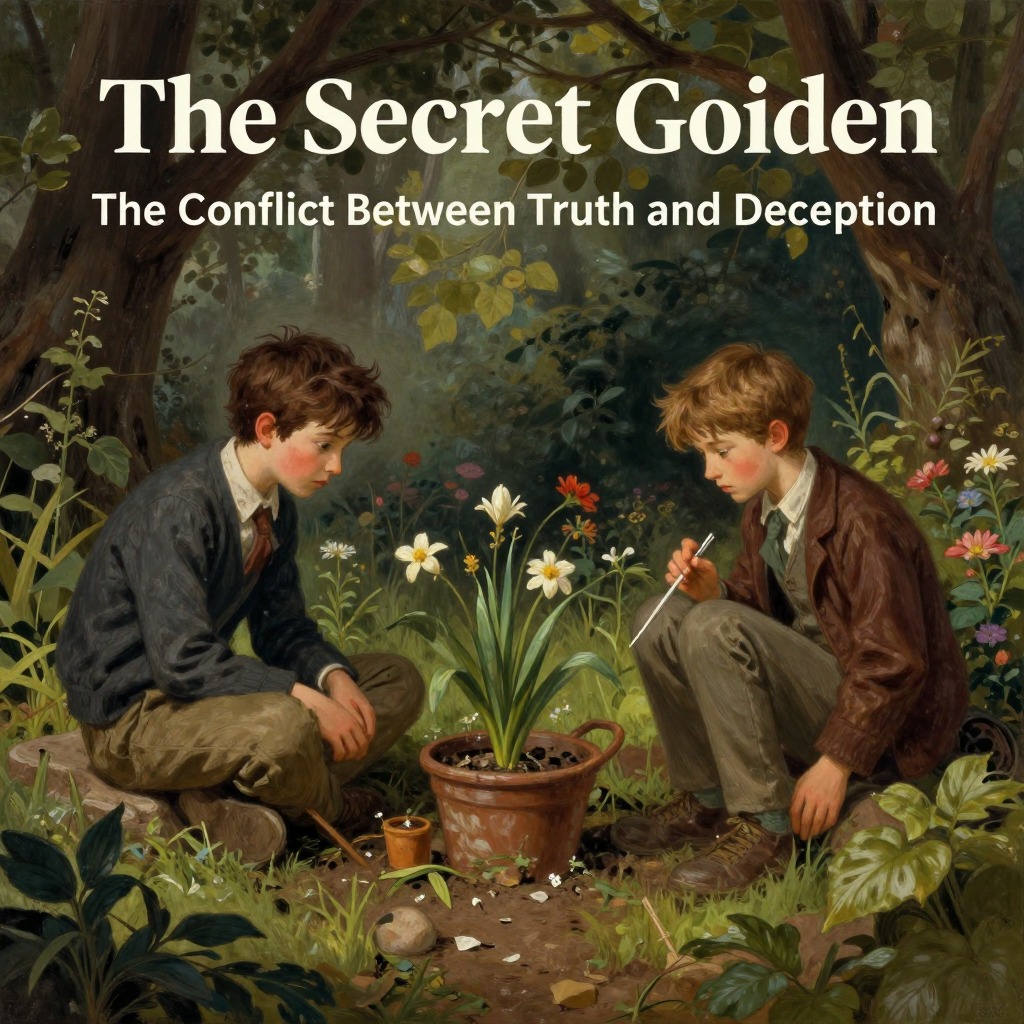
The Secret GardenThe Play-Acting Rule is a strategic performance of continued illness that Colin Craven and Mary Lennox adopt to protect the secret of the garden and to preserve the dramatic revelation they plan for Colin's father, Archibald Craven. After Colin's health begins to transform dramatically through his time in the secret garden, the two children realize that his visible improvement—his growing appetite, his ability to stand and walk, his healthy color—will inevitably arouse suspicion among the household staff and, most critically, risk word reaching his father before Colin can deliver his own triumphant announcement. The rule is born from this necessity: they must pretend to be what they no longer are, an invalid and his anxious companion, to throw everyone off the scent.
Origins and Motivation
The Play-Acting Rule emerges directly from the children's need to manage the perceptions of the adults around them. Colin, who has been told all his life that he is dying and whose every tantrum has been indulged, now finds himself in the paradoxical position of having to feign the very weakness he is escaping. The rule is first articulated when Colin and Mary realize that the nurse and Dr. Craven are beginning to notice his changed appetite and appearance. Colin, prompted by a sudden inspiration, suggests to Dr. Craven that his increased eating might be "an unnatural appetite" and that he might be "bloated and feverish"—a deliberate misdirection to explain his new vigor. The deeper motivation, however, is Colin's desire to control the narrative of his own recovery. He has planned for months to walk into his father's study and announce, "Here I am; I am like any other boy. I am quite well and I shall live to be a man. It has been done by a scientific experiment." Any premature discovery would ruin this carefully orchestrated moment.
The Performance Itself
The enactment of the Play-Acting Rule is a daily, elaborate charade that both children come to enjoy as a thrilling game. Colin is carried down to his chair each time he goes out, and he "flies out at John, th' footman, for not carryin' him careful enough." He makes himself look as helpless as possible, never lifting his head until they are out of sight of the house, and he "grunts an' frets a good bit when he's bein' settled into his chair." Mary plays her part by responding with solicitous concern: "Poor Colin! Does it hurt you so much? Are you so weak as that, poor Colin?" The difficulty, as Dickon reports to his mother, is that "sometimes they can scarce keep from burstin' out laughin'." When they reach the safety of the secret garden, they laugh until they have no breath left, stuffing their faces into Colin's cushions to prevent the gardeners from hearing. The performance extends to their meals as well; they must pretend to have no appetite, sending back trays of food untouched, while in truth they are ravenous from their work in the garden and are secretly fed by Susan Sowerby's buns and milk and by roasted potatoes and eggs cooked in a makeshift oven in the wood.
Consequences and Significance
The Play-Acting Rule has several important consequences. It successfully deceives the household, including Dr. Craven and Mrs. Medlock, who are left mystified by Colin's contradictory behavior—his sudden ravenous appetite followed by periods of refusing food, his insistence on going out of doors after years of refusing to leave his room. The rule also deepens the bond between Colin and Mary, who become co-conspirators in a secret that is both playful and profound. Furthermore, the rule allows Colin to build his strength in private, without the pressure of adult expectations or the risk of being "talked over." The charade is maintained until the climactic moment when Colin, having grown strong enough to run, bursts through the garden door and collides with his newly returned father, revealing his transformation in a single, unscripted instant. The Play-Acting Rule thus serves as a protective narrative device, enabling the children to control the timing and manner of the story's central revelation and ensuring that the garden's magic remains their own until the moment they choose to share it.