Rule of Secrecy for the Garden
The Secret GardenThe Rule of Secrecy for the Garden is the foundational covenant that governs the children's relationship with the hidden domain at Misselthwaite Manor. More than a simple promise not to tell, this rule becomes the organizing principle of Mary Lennox's, Dickon Sowerby's, and later Colin Craven's shared life, transforming the abandoned plot into a sanctuary whose power depends entirely on its being unknown to the adult world. The rule is established the moment Mary first reveals the garden to Dickon, and it deepens with every new person admitted into the circle of trust, creating a moral geography in which secrecy is not deception but the very condition of the garden's magic.
Origins and First Oath
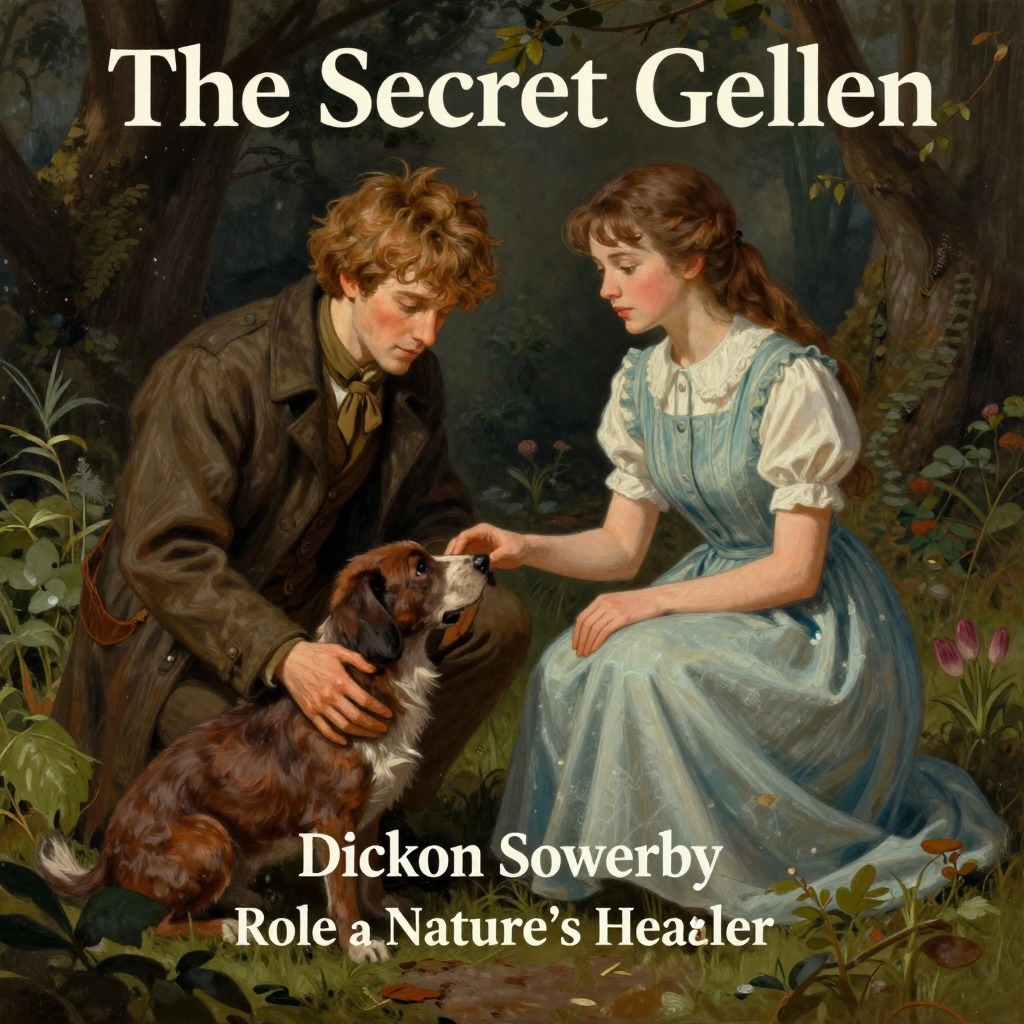
The rule originates in Mary's desperate plea to Dickon the first time she shows him the garden. After leading him through the ivy-covered door, she makes him promise absolute silence: "If you will come," she says, "if you will help me to make it alive I'll—I don't know what I'll do" . Dickon's response establishes the terms of the covenant: he compares her secret to a missel thrush's nest, declaring, "If tha' was a missel thrush an' showed me where thy nest was, does tha' think I'd tell any one? Not me. Tha' art as safe as a missel thrush" . This avian metaphor—the nest as the most vulnerable and precious thing a creature possesses—becomes the ruling image of the secrecy rule. From this moment, the garden is not merely a place but a nest, and the rule of secrecy is the wall that protects it.
Expansion and Enforcement
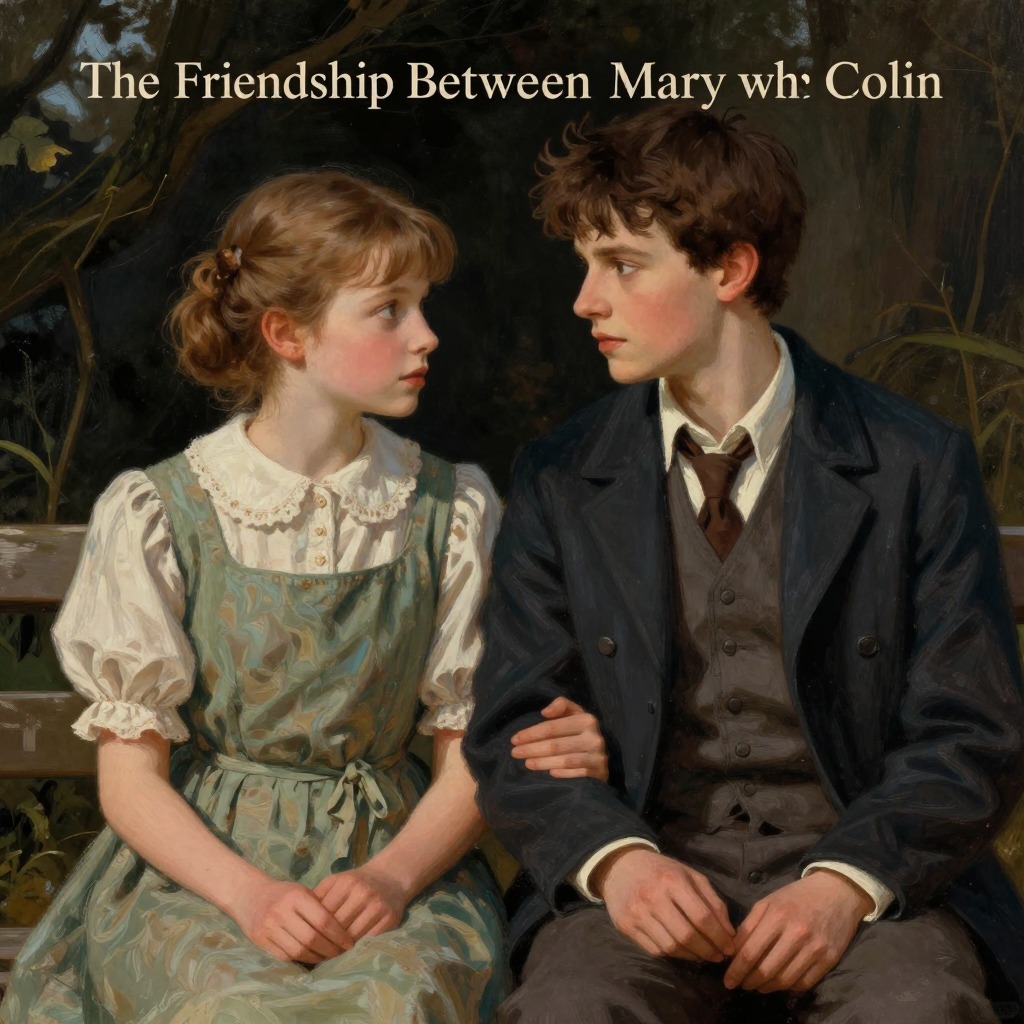
As Colin Craven is drawn into the secret, the rule expands to include him, but it also becomes more complex. Colin, accustomed to absolute authority, must learn that this secret is not his to command. When he first threatens to order the door opened by force, Mary's panic reveals the rule's fragility: "Oh, don't—don't—don't—don't do that!" she cries, because "if you make them open the door and take you in like that it will never be a secret again" . Colin eventually accepts the rule, and it becomes the basis of their friendship. Later, when Ben Weatherstaff discovers them, Colin immediately extends the rule to him, declaring, "This is my garden. Don't dare to say a word about it!" and ordering him to "be in the secret" . The rule thus operates through a careful process of initiation: each new member must be vouched for and must swear the same oath of silence.
The Rule as a Bond of Trust
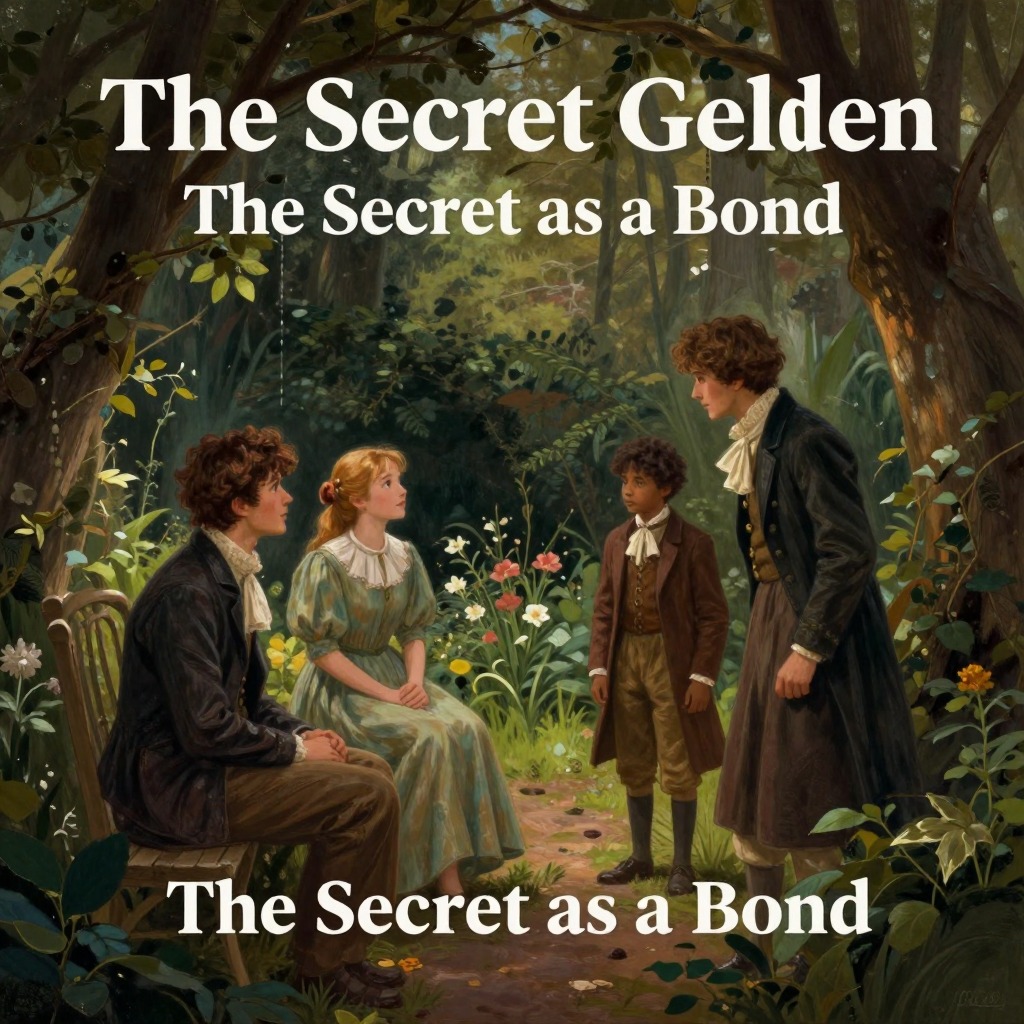
The secrecy rule is not merely a prohibition; it is the mechanism that creates trust among the children and between them and the natural world. Mary's decision to tell Dickon is itself a test of character, and his response proves him worthy. When Colin is told, the secret becomes the thing that binds him to life: "I never had a secret," he says, "except that one about not living to grow up. They don't know I know that, so it is a sort of secret. But I like this kind better" . The rule also extends to the adults who are deemed trustworthy. Dickon's mother, Susan Sowerby, is brought into the secret because "somehow it was not doubted that she was 'safe for sure'" . The rule thus creates a hierarchy of knowledge: those inside the secret are the garden's true custodians; those outside are the world that must be kept at bay.
Consequences and Significance
The Rule of Secrecy for the Garden has profound consequences for every character who observes it. It allows Colin to undergo his physical transformation without the interference of doctors and nurses who would have subjected him to examinations and restrictions. It permits Mary and Dickon to work the garden without the supervision of the head gardener, Mr. Roach. Most importantly, it enables Colin to plan the dramatic revelation of his recovery to his father, Archibald Craven, on his own terms. The rule thus functions as a kind of protective magic: by keeping the garden hidden, the children preserve its power to heal. When the secret is finally broken—when Colin bursts through the door into his father's arms—the rule has served its purpose. The garden has done its work, and the secrecy that nurtured it gives way to the open joy of reunion.