the nest
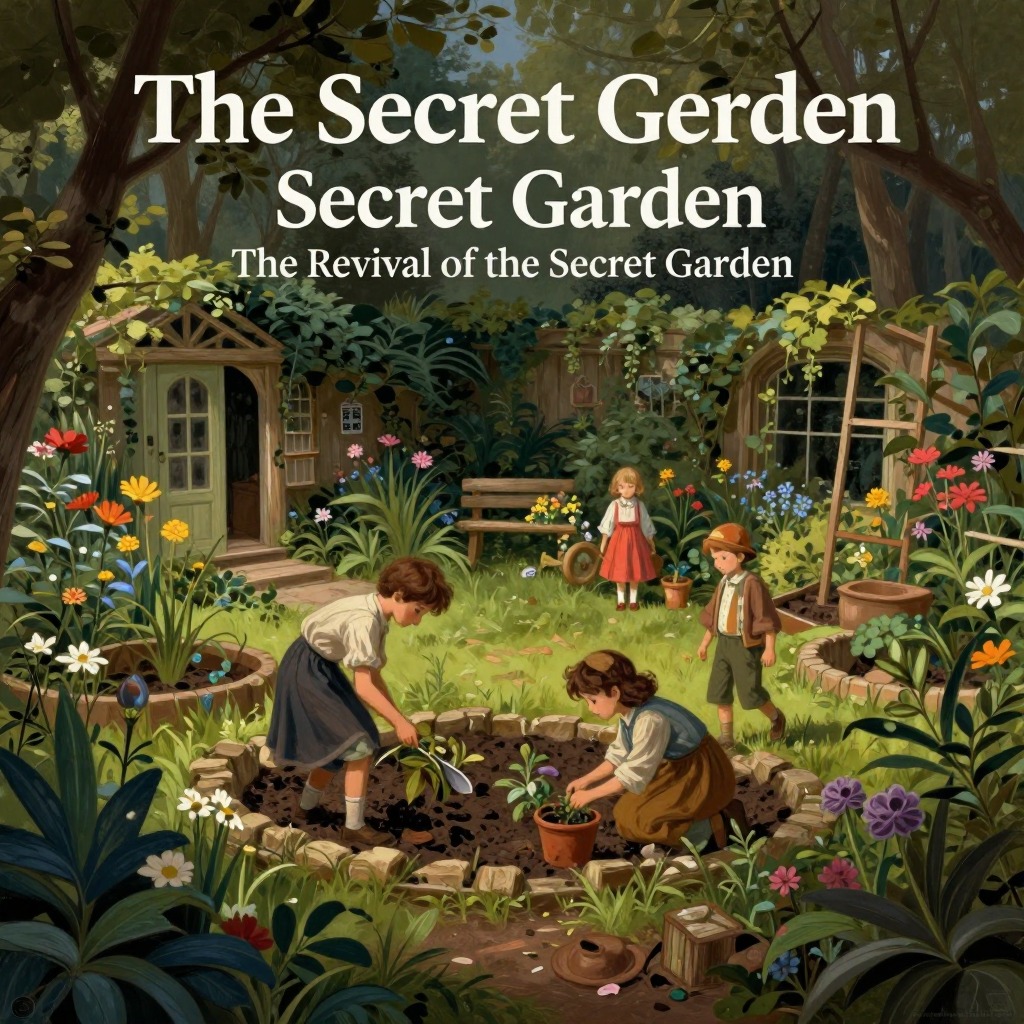
The Secret GardenThe nest is one of the most resonant symbols in The Secret Garden, a figure for the hidden, protected space where life begins and secrets are kept safe. It appears first not as a real nest but as a drawing: when Dickon leaves Mary after their first meeting in the garden, he fastens to a rosebush a piece of paper on which he has printed "I will cum bak" and drawn a picture of a bird sitting on a nest. Mary immediately understands the image as a promise of loyalty. Martha, seeing the drawing, identifies it with pride as "a picture of a missel thrush on her nest, as large as life an' twice as natural." From that moment, Mary thinks of herself and her secret as a missel thrush with a safe-hidden nest, and Dickon's message assures her that he will guard her trust as he guards the nests of wild things on the moor.
The Nest as a Pledge of Secrecy
The nest drawing is Dickon's way of speaking a language Mary can understand without words. He has already told her that he keeps secrets about foxes' cubs and birds' nests because "if I couldn't keep secrets from th' other lads... there'd be naught safe on th' moor." By giving her a picture of a nest, he enrolls her in that same code of honor: her garden is her nest, and he will protect it as he protects the nests of the moor. Mary feels the force of this pledge immediately. She knows that Dickon meant the picture to be a message that she might be sure he would keep her secret, and she reflects that "her garden was her nest and she was like a missel thrush." The nest becomes the emblem of a compact between them, a visual promise that the hidden garden will remain hidden.
The Robin's Nest and the Garden's Life
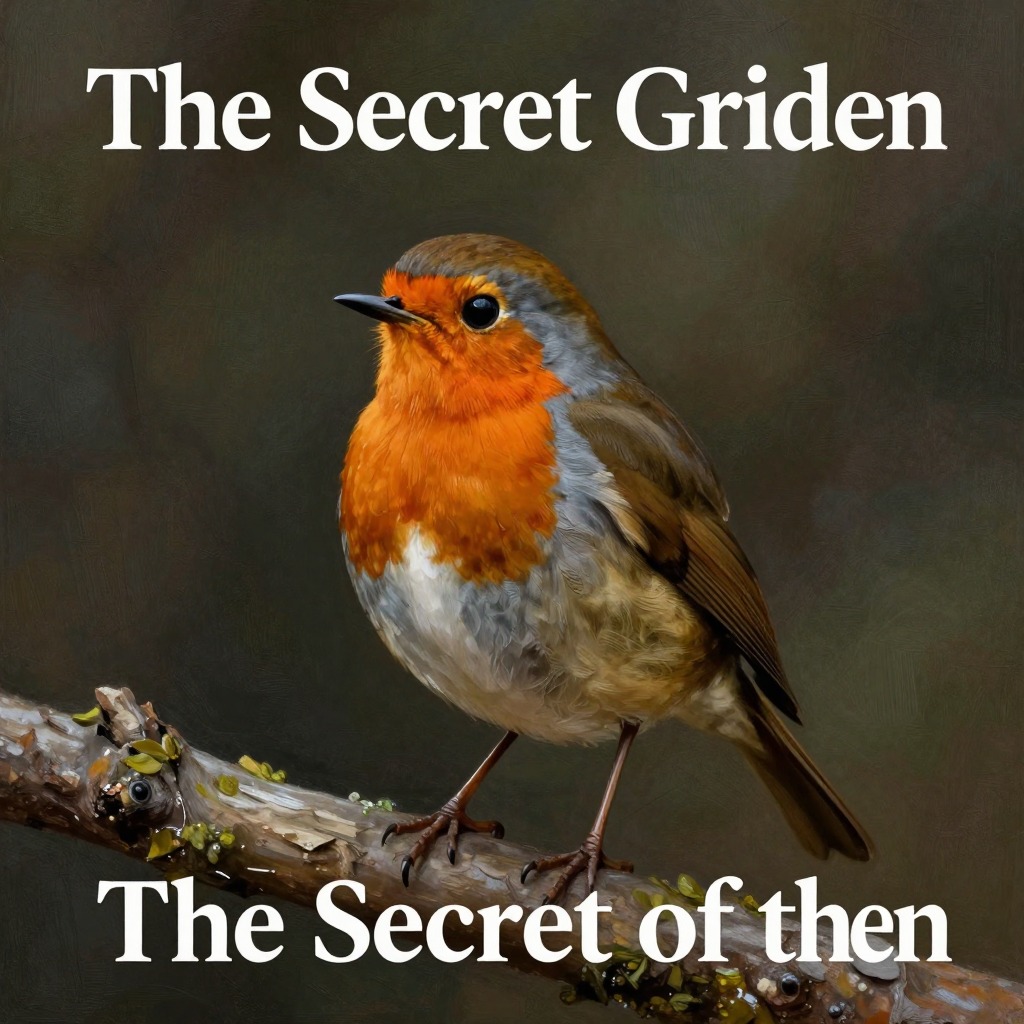
As spring advances, the nest moves from metaphor to reality. One morning in the secret garden, Mary and Dickon witness a swift flight across the wall: a robin with something hanging from its beak darts into a close-grown corner. Dickon immediately understands. "I knowed he was mate-huntin' when I seed him last," he whispers. "It's Ben Weatherstaff's robin. He's buildin' his nest. He'll stay here if us don't fight him." The nest-building becomes a sacred event. Dickon tells Mary they must sit still and try to look like grass and trees and bushes, because the robin will be shy and ready to take things ill during this time. "It's part o' th' springtime, this nest-buildin' is," he says. "I warrant it's been goin' on in th' same way every year since th' world was begun." The nest is not merely a bird's home; it is the spring's own ritual, as old as the world, and the children understand that their presence must not disturb it.
The Nest as a Measure of Trust
The robin's nest also becomes a test of the children's character. Dickon tells the robin directly, "Us is near bein' wild things ourselves. Us is nest-buildin' too, bless thee. Look out tha' doesn't tell on us." The joke contains a serious truth: the children are building something of their own in the garden, and the robin's willingness to build his nest in their presence is a sign that they have passed the test of being harmless. Mary knows that when the robin flies away with his twig, "the darkness of his dew-bright eye meant that he would not tell their secret for the world." The nest, in this way, becomes a mirror of the children's own secret project. Just as the robin and his mate work to build a safe place for their young, Mary and Dickon and Colin work to make the garden come alive, and the nest's inviolability becomes the model for their own rule of secrecy. The nest is the smallest, most concentrated image of the garden's whole meaning: a place where life is sheltered, trusted, and allowed to grow in its own time.