
Resistance and World Problems
The SecretThis flow traces the book’s argument that opposition can reinforce war, poverty, illness, and violence unless attention is redirected toward positive alternatives.
increasing Bearing strength in each event
 decreasing
Bearing strength in each eventdecreasingFighting the Unwanted

The Paradox of Opposition
Negative Focus
People fight cancer, poverty, war, drugs, and violence while concentrating intensely on those subjects.
Reproduction of Conflict
The book argues that emotional resistance gives unwanted conditions more energy.
The conflict begins as a dispute over whether opposition helps or harms.
Anti War Example
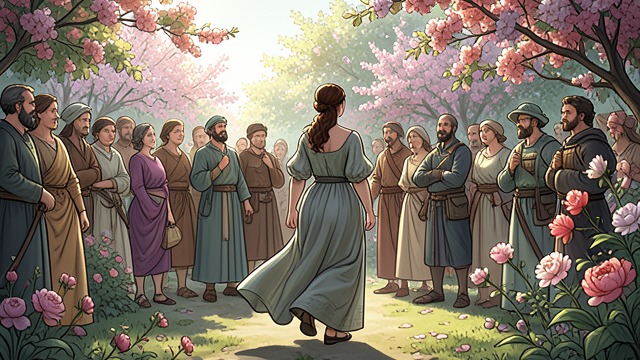
Choosing Peace Language
Refusal of the Rally
Mother Teresa is quoted as declining anti-war rallies while accepting invitations to peace rallies.
Positive Substitution
The example replaces opposition with direct attention to the desired condition.
The book presents language as a form of participation.
Media Saturation
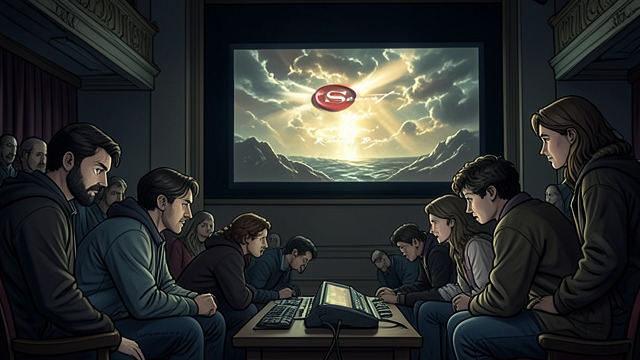
Bad News as Demand
Audience Appetite
James Arthur Ray argues that disaster coverage expands because people attend to it.
Social Feedback
Media is portrayed as responding to collective attention rather than creating it alone.
The chapter shifts responsibility from institutions toward audience habits.
Pro Peace Focus
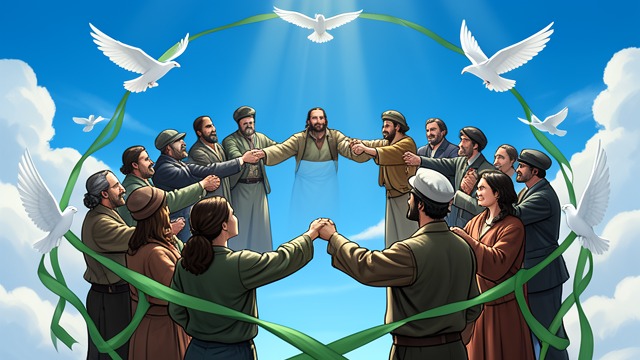
Imagining Alternatives
Positive Attention
Readers are asked to focus on trust, education, abundance, and peace.
Moral Redirection
The book claims that this attention contributes more constructively than anger at visible problems.
The conflict evolves from resistance toward substitution.
Personal Agency
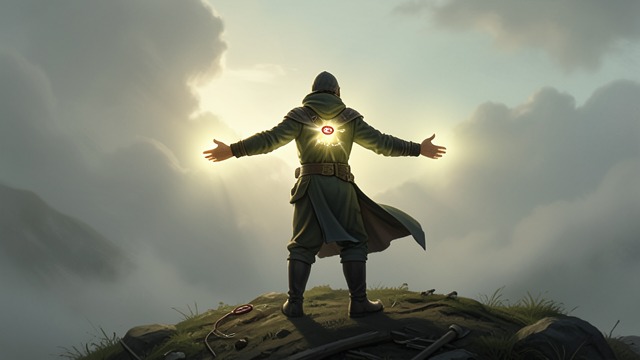
Changing the Signal
Individual Power
Readers are told they are not powerless before world events.
Emotional Contribution
Love and well-being are presented as ways to influence the collective atmosphere.
The chapter resolves by translating global concern into private mental practice.
at the opening of the world chapter
during the Mother Teresa illustration
during James Arthur Ray’s media discussion
after the media critique
near the close of the world chapter
