
Past Versus Present
The SecretThis flow traces the book’s conflict with inherited trauma, cultural codes, and the idea that history permanently determines identity.
increasing Bearing strength in each event
 decreasing
Bearing strength in each eventdecreasingVictim Identity
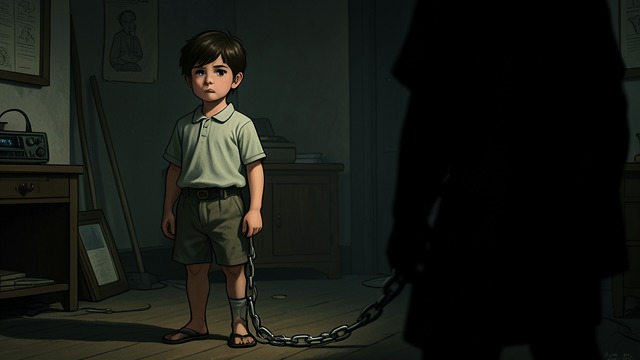
Defining the Self by Harm
Family Wounds
Jack Canfield recalls alcoholism, abuse, and divorce in his childhood.
Common Pattern
The book acknowledges suffering but warns against using it as a permanent identity.
The past becomes a force that can either explain or imprison the present.
Residual Reality
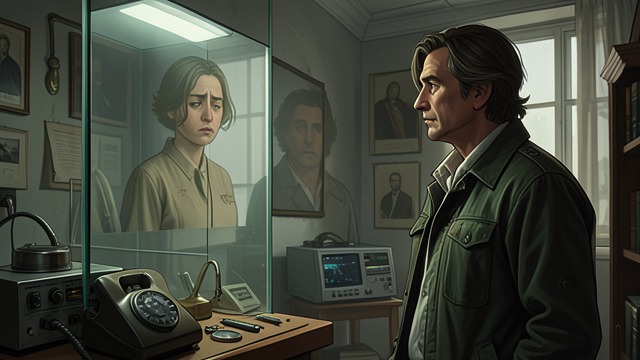
The Past’s Remainder
Visible Consequences
Money, health, and relationships are described as residual outcomes of earlier thoughts and actions.
Identity Error
Defining oneself by current conditions is said to reproduce those conditions.
The conflict shifts from historical events to present interpretation.
Revision Practice

Rewriting the Scene
Evening Review
Neville Goddard’s method asks the reader to revisit disappointing moments before sleep.
Imagined Correction
The event is replayed in a form that produces satisfaction and relief.
Revision offers a ritual means of weakening the past’s emotional authority.
New Beliefs
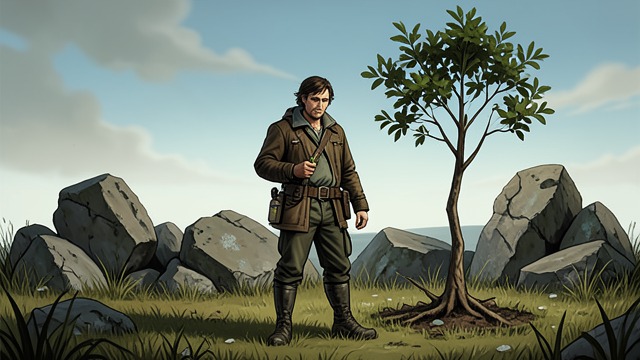
Choosing Different Assumptions
Cultural Release
Readers are urged to question hereditary patterns, social beliefs, and messages about aging or limitation.
New Self-Definition
Affirmations replace inherited statements of weakness with declarations of health and abundance.
The conflict becomes a contest between old programming and chosen language.
Clean Blackboard
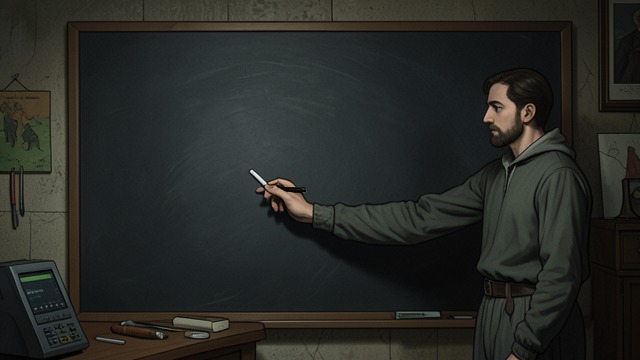
Beginning Again
Erasing Baggage
Neale Donald Walsch describes life as a blank board rather than a predetermined assignment.
Self Authorship
The individual chooses a mission and fills the future with desired meaning.
The past loses its power when the person accepts authorship of the next page.
during Jack Canfield’s account of childhood
during James Arthur Ray’s explanation of present conditions
at the end of each day
during the teaching on inherited codes
near the conclusion
