
The Mask of Feigned Incompetence
The Seven Dials MysteryThis thread examines how characters use an unpromising public image to conceal intelligence, motives, or authority.
increasing Bearing strength in each event
 decreasing
Bearing strength in each eventdecreasingThe Young Idlers

The Young Idlers
A comic stereotype
The young guests at Chimneys appear to value late mornings, teasing, and amusement over discipline. Lady Coote’s devotion to punctuality makes the group’s habits seem like a harmless generational contrast.
A misleading surface
The novel plants a question beneath the jokes: whether apparent laziness always means lack of purpose. Jimmy Thesiger’s observation about Gerald Wade quietly opens that question.
Gerald Wade’s Performance
Gerald Wade’s Performance
A manufactured fool
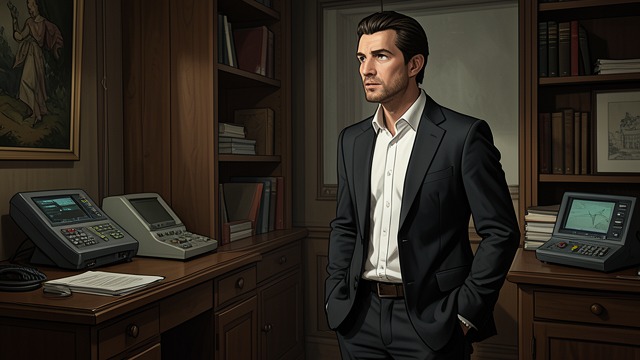
Gerald Wade speaks as though he is careless and intellectually slight, encouraging others to underestimate him. Jimmy Thesiger suspects that the persona may be exaggerated, even before knowing the truth.
A real service beneath it
The final explanation identifies Gerald Wade as an operative doing dangerous intelligence work. His performance was not merely a joke; it helped him move unnoticed in the social world around the British Foreign Office.
Pongo’s Seriousness
Pongo’s Seriousness
Brains without display
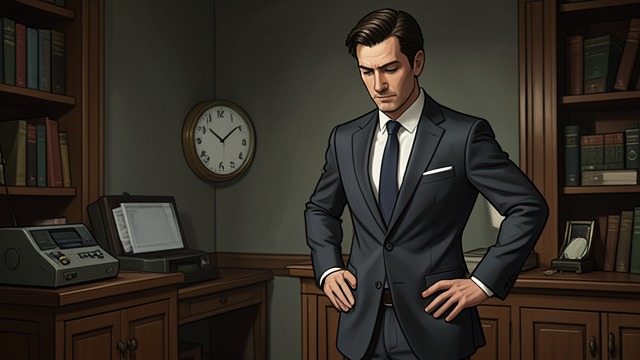
Rupert Bateman appears earnest, humorless, and efficient, leading other characters to call him an ass. His practical suggestions repeatedly solve immediate problems, from the alarm-clock prank to household logistics.
A misdirected suspicion
Superintendent Battle considers Rupert Bateman because he handled the clocks and is left-handed. The suspicion demonstrates that competence can invite scrutiny as easily as it can provide cover, though Rupert Bateman is ultimately innocent.
Battle’s Wooden Face

Battle’s Wooden Face
Authority disguised as dullness
Superintendent Battle’s expression and plain manner make him seem unimaginative. He speaks cautiously, allowing other people to underestimate how much he has understood.
A deliberate method
His apparent lack of excitement is a form of control, not confusion. He withholds judgments until evidence can support them, showing that quiet observation may be more effective than dramatic displays of cleverness.
The Criminal’s False Innocence

The Criminal’s False Innocence
A trusted fool
Jimmy Thesiger’s lighthearted, apparently empty-headed persona convinces friends that he lacks the discipline or intelligence for serious crime. He uses that belief to remain close to both victims and investigators.
A moral reversal
Superintendent Battle reveals that Jimmy Thesiger was a calculating murderer. The contrast makes the novel’s comic character judgments part of the mystery’s machinery, not just decoration.
At the opening Chimneys breakfast
During the early Chimneys conversations
Across the Abbey investigation
During Bundle Brent’s meetings with Scotland Yard
At the final arrest
