The alarm-clock motif
The Seven Dials MysteryThe alarm-clock motif transforms a prank on Gerald Wade into one of the first unsettling patterns surrounding his death. Eight clocks are meant to rouse a famously heavy sleeper; afterward, seven stand in a row while the remaining clock has been thrown onto the lawn. That shift from comic noise to unexplained absence gives the clocks a double role: they preserve the circumstances of the joke while directing Bundle toward Seven Dials.
The Prank and Its Design
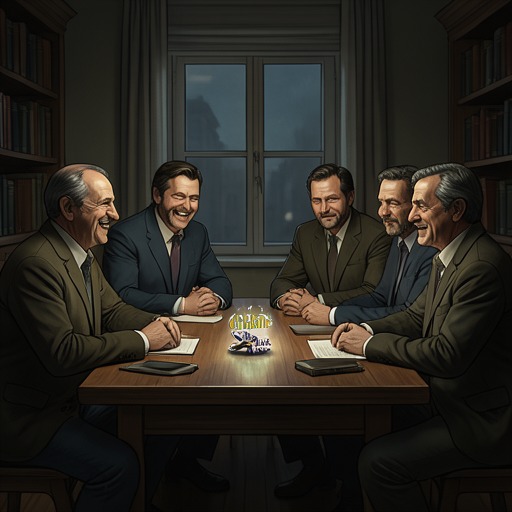
The idea begins with Bill Eversleigh’s proposal that the group go into Market Basing and buy an alarm clock each. The scheme is meant to teach Gerald Wade a lesson about sleeping through the morning. When the others gather outside his bedroom, the prank takes on the character of a small collective performance: they are supposed to be dancing to the wireless in the ballroom, but instead cluster by his door amid giggles and the ticking of clocks.
The group debates how to arrange the alarm. One side argues that a champion sleeper will need eight clocks ringing together; the other prefers a sustained assault, with the clocks sounding one after another. The latter plan wins. Set to begin at 6:30 a.m., the clocks are placed in a row under the bed, and the prank is treated as harmless discipline. Its mechanics matter later: the successive ringing establishes both the number eight and the clocks’ deliberate arrangement, details that make the subsequent count of seven conspicuous.
The Joke Becomes Uneasy
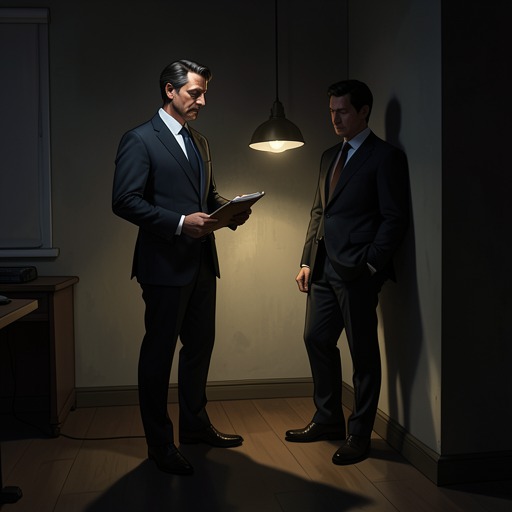
The clocks perform their part with extraordinary force, but the joke fails as a joke. Their ringing jolts Ronald Devereux awake in the adjoining room, where he briefly mistakes the uproar for the day of judgment. He hurries into the passage and listens at Gerald Wade’s door, expecting an outburst of annoyance. Instead, he hears the clocks continuing to tick and ring, one after another, while Gerald makes no apparent response. The contrast between the noise and the silence turns a noisy prank into an uncomfortable episode.
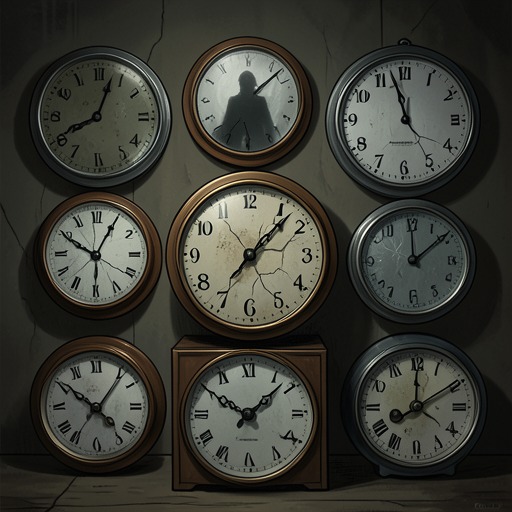
The clocks’ comic purpose is further unsettled by what follows. When Jimmy Thesiger enters Gerald’s room after his death, he sees the alarm clocks arranged neatly along the mantelpiece rather than under the bed. He notices that there are seven, not eight, and asks Ronald Devereux who put them in a row. Ronald can only suppose that a servant arranged them. Jimmy’s attention to the count makes the alteration a question rather than a mere tidying detail: the original prank had involved eight clocks, but only seven are visible now.
The Missing Eighth Clock
Bundle’s later reconstruction gives the discrepancy a more precise form. Seven clocks had been placed on the mantelpiece; the remaining one was found outside on the lawn, apparently thrown from the window. Bundle cannot see a practical purpose in throwing a clock out. She considers whether a maid might have tidied the clocks and then denied it when questioned, but that would not explain why one had been cast into the garden. She also considers whether Gerald might have thrown it after being woken, then rejects that possibility because he would already have been comatose for some time before his death.
The clock on the lawn is therefore not simply an eighth object restored to the count. Its location creates the puzzle: the clocks have been moved, and one has been separated from the others in a way Bundle cannot explain. The physical arrangement keeps the original prank present in her investigation while making its consequences newly ominous. The ticking that once promised to wake Gerald becomes part of the evidence she examines in the room where he died.
From Clock Faces to Seven Dials
The motif returns in Bundle’s private recollection of the bedroom: Gerald lies dead while seven clocks tick on the mantelpiece. The image joins a specific object and sound to the emotional unease of the scene. Earlier, the clocks’ loud, sustained ringing had been a comic attempt to overcome a heavy sleeper; now their continued ticking seems ominous, and the number seven carries a significance the pranksters did not intend.
That significance emerges when Ronald Devereux admits that the clocks have always given him the shivers and that he sometimes dreams of them lined up in the dark. Bundle answers practically that they would not be visible unless their dials were luminous. The thought suddenly redirects her attention: seven clock faces in darkness suggest Seven Dials. She insists that the resemblance cannot be coincidence. The connection does not, by itself, explain who moved the clocks or why one was thrown from the window; rather, it turns an odd detail into a lead and links the death’s physical aftermath to the name of the mystery Bundle is pursuing.
Narrative Function
The motif develops by reversal. A group joke produces the very details that later resist a joking explanation: the intended eight clocks, their successive alarms, the seven on the mantelpiece, and the one on the lawn. The story preserves those details through different observers—Ronald hears the alarms, Jimmy counts the clocks, and Bundle tests possible explanations—so that the meaning changes as the investigation advances.
The clocks also make the transition from sound to symbol without erasing their material presence. Their ringing establishes the prank; their ticking accompanies Bundle’s image of the dead man; their faces supply the verbal and visual association that leads her to Seven Dials. The motif’s force lies in that progression. What first appears to be a loud but ordinary joke becomes a pattern of absence, rearrangement, and recognition, with the unexplained eighth clock marking the point where amusement gives way to suspicion.