World War I and the postwar period
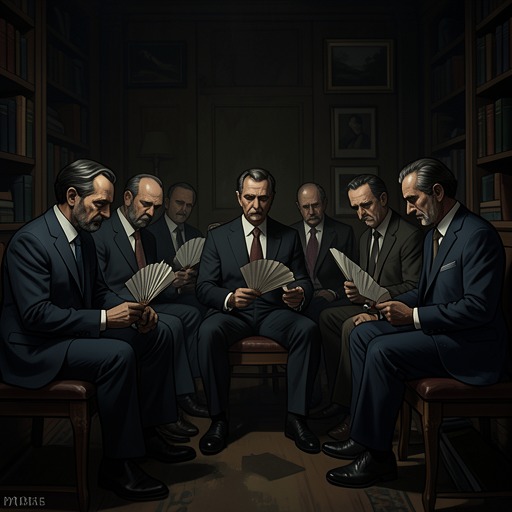
The Seven Dials MysteryWorld War I and the postwar period form a background the novel approaches through recollection rather than a continuous historical chronicle. One account looks back at hardship in Buda Pesth shortly after the war; another recalls wartime fears of German spies and the intelligence strategy of leaving minor suspects undisturbed in order to reach a more important figure. The span links a recent past of upheaval to the cautious investigations unfolding in the narrative present.
Wartime Intelligence and Restraint
In conversation with Lady Eileen Brent, Superintendent Battle recalls the public outcry during the war over German spies supposedly being left at large. Letters to newspapers demanded action, but the authorities did not let public pressure dictate their approach. Battle explains that small suspects were sometimes left alone because following them could eventually lead investigators to the person at the top. His account gives wartime restraint a strategic purpose: what looked like inaction could be a method of pursuing a larger target. He also insists that the suspicious Countess be left alone while the investigation proceeds carefully, particularly to avoid trouble with the embassies.
Postwar Testimony
At a gathering, a speaker describes Buda Pesth shortly after the war, tracing its vicissitudes toward the present and painting scenes of starvation and misery for her listeners. The account is vivid and dramatic, but Bundle finds its delivery almost mechanical, as though the speaker could be started and stopped at will. Lady Coote listens intently and adds a family anecdote about three children who were burned to death; the passage places personal testimony beside a broader account of postwar suffering without specifying when that tragedy occurred.
Narrative Function
The period reaches the reader through distinct voices and purposes rather than a single authoritative history. The postwar account makes the consequences of upheaval present in a social conversation, while Battle’s recollection turns wartime controversy into a lesson about secrecy, patience, and the limits of public pressure. Their juxtaposition gives the past an active role in the novel: it supplies both the human costs recalled by witnesses and the methods that shape the present investigation.