
War and Collective Forgetting
The Shadow of the WindThis flow traces how political violence produces silence, false records, and a postwar culture built around the deliberate loss of memory.
increasing Bearing strength in each event
 decreasing
Bearing strength in each eventdecreasingA City Under Suspicion
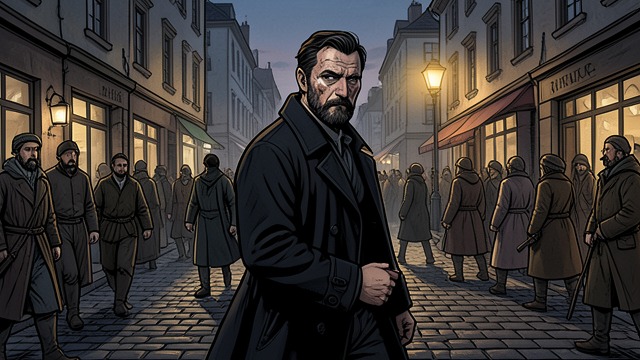
The War Enters Private Life
Sudden Disorder
The outbreak of the Spanish Civil War turns Barcelona into a place of shifting loyalties, shootings, and disappearances.
The Ordinary Made Unsafe
People become witnesses to violence while lacking the power or language to describe what is happening.
Disappearing Bodies
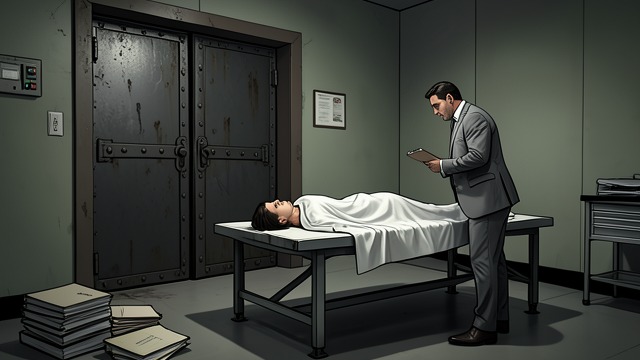
Death Without Names
Official Uncertainty
Bodies reach the morgue with incomplete papers, and authorities can bury them without reliable identification.
Fumero's Signature
Fumero exploits that disorder to register Miquel as Carax, showing that bureaucracy can make a lie durable.
The Postwar Quiet
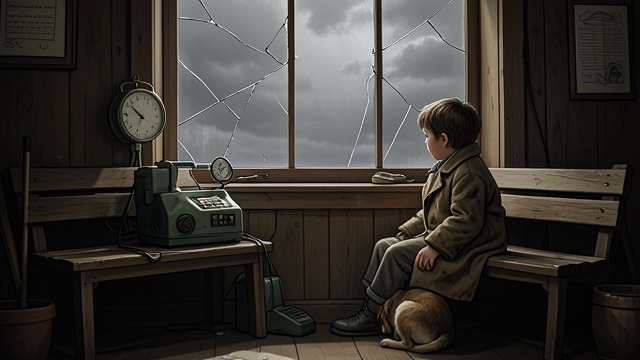
Silence as a Social Condition
An Inherited Atmosphere
Daniel grows up amid poverty, resentment, and a sadness he feels before he can understand its source.
Memory Suppressed
People learn to avoid naming what happened, while those who survived carry the war in habits of fear and shame.
The Past Is Policed
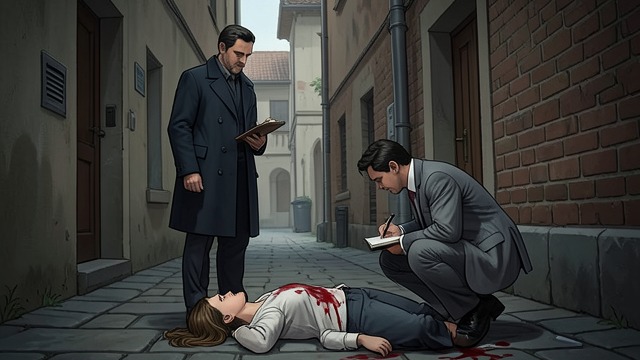
Investigation Meets Repression
A Threat to Daniel
Fumero warns Daniel not to disturb the past, then uses surveillance and violence against the people asking questions.
Silencing Witnesses
Nuria's murder and Fermín's framing show that collective forgetting is maintained by force, not simply by the passage of time.
A Memory Carried Forward
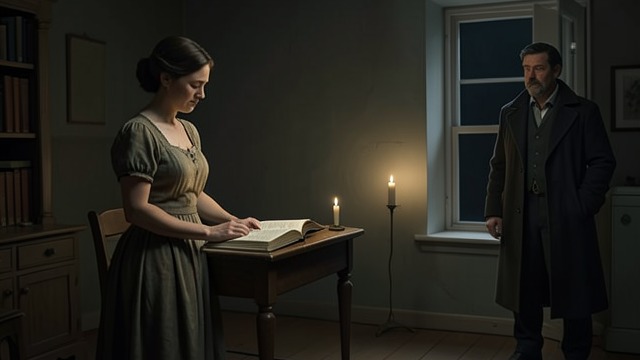
Against the Return of Violence
Survivors Remember
Nuria's manuscript and Daniel's account preserve details that public life would prefer to lose.
A Warning Across Generations
The story links memory to responsibility: what is forgotten can return under another name, while remembered suffering can help a family choose differently.
Summer 1936
1936-1939
1940s
1954-1955
1955-1966
