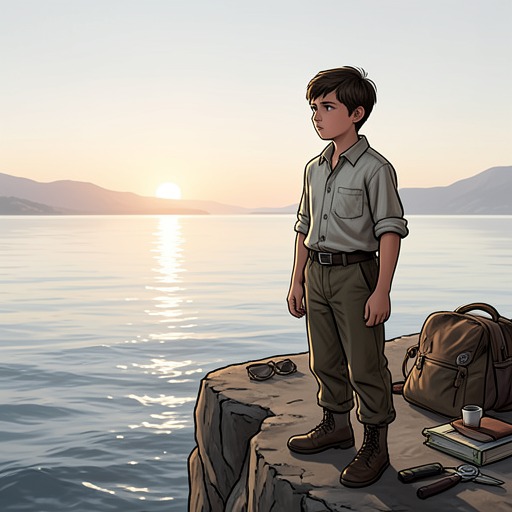
As long as we are remembered, we remain alive
The Shadow of the Wind“As long as we are remembered, we remain alive” expresses the novel’s central counterclaim to the erasures of war: the dead and the silenced persist in the lives of those who remember and bear witness. The idea is set against a peace that brings not open reckoning but a collective silence, making memory an act of survival as well as an obligation to the absent.
Meaning and Context
The expression belongs to a wider insistence that memory resists disappearance. In the account of the war’s aftermath, the narrator says that people are pressured to treat what they witnessed, did, and learned about themselves and others as an illusion or passing nightmare. Against this denial, the claim that the remembered remain alive gives recollection a human consequence: it keeps their presence from being wholly surrendered to public forgetting.
War and Collective Forgetting
The surrounding testimony describes war as a force that feeds forgetfulness. Once the weapons fall silent, a “heavy mantle of collective forgetfulness” descends, while the violence that follows Barcelona’s fall continues in secret. The resulting peace is marked by silence and shame rather than innocence or resolution; those who were present expect to carry the secret to their graves. In this setting, remembrance is not passive nostalgia. It preserves what the new order would recast as unreal and makes silence itself legible as part of the aftermath.
Witness and Survival
The words are addressed to Daniel as part of a warning about what happens when survivors are left without a voice. The narrator reflects that the most frightening figure is a hero who lives to tell the story, because the fallen cannot testify to what happened beside them. Remembering therefore connects individual survival to the testimony of the dead: the survivor’s account matters precisely because it can give shape to what those who died can no longer say. The expression holds both sides of that relation together, naming continued existence through another person’s memory while recognizing the burden carried by the witness.
Narrative Significance
The expression gains meaning through its contrast with the surrounding account of erasure. War destroys lives, and postwar silence threatens to erase the knowledge of how they were lost; recollection cannot undo either, but it can keep the victims and their experiences from being reduced to an illusion. In the novel’s moral landscape, to remember is to refuse that final disappearance. The claim is thus both consoling and demanding: the dead remain present only so long as someone is willing to remember and tell what happened.