Cabestany warehouse fire
The Shadow of the WindThe Cabestany warehouse fire was the deliberate destruction of the publisher’s remaining stock of Julian Carax’s novels after a failed attempt to buy it. Nearly all the books were lost, but Nuria had privately rescued one copy of each title. The fire therefore marks both a near-erasure of Carax’s published work and the point at which its survival depended on a secretary’s foresight and the few copies she saved.
Causes and Background
Between 1928 and 1936, Cabestany published eight of Carax’s novels. The publisher was not chiefly known for literary fiction: he made his money from catechisms and inexpensive sentimental novels about a provincial heroine, Violeta LaFleur. His reasons for publishing Carax were uncertain to those discussing the history; one account suggests that Cabestany may have been intrigued by the project, or may simply have enjoyed contradicting conventional opinion. The novels’ modest standing in the firm’s commercial life contrasts with the lasting consequences of their threatened destruction.
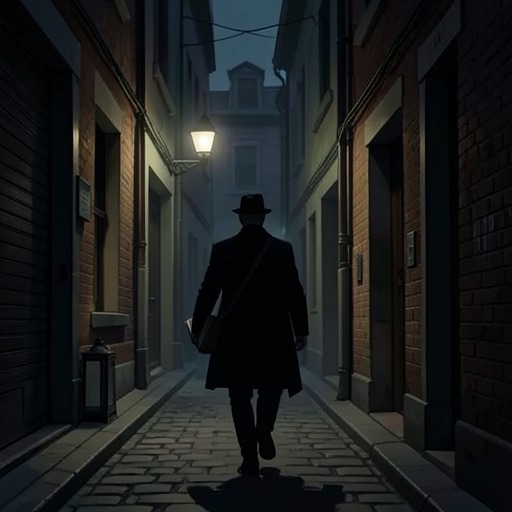
After Cabestany took over the firm, a prospective buyer offered three times the market value for the entire remaining stock of Carax’s novels. The offer came from Laín Coubert, whose purpose Daniel immediately understood: the books were to be burned. The publisher’s son, who handled the negotiation, tried to raise the price beyond what Coubert had offered. Coubert withdrew, and the proposed sale gave way to an act of destruction rather than a transfer of the books.
The Fire and the Loss
A few days after the failed negotiation, shortly after midnight, Cabestany’s warehouse in Pueblo Nuevo burned down to its foundations. The sequence connected the fire to the interrupted purchase: the stock Coubert had sought was destroyed after the seller demanded more money and the offer was withdrawn. In recounting the episode, the narrator asks whether Coubert had bought the books, then learns that the negotiation ended not in a sale but in the warehouse fire.
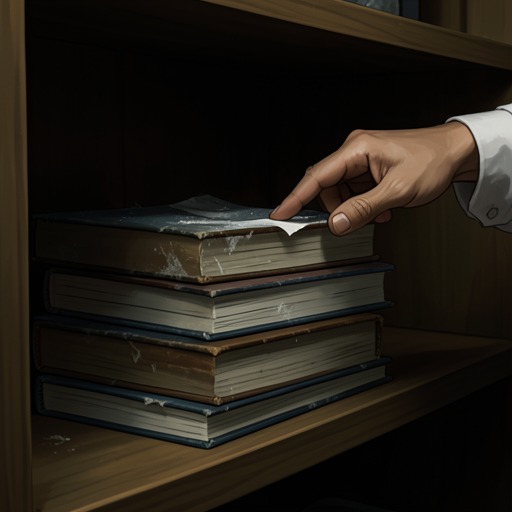
The loss was nearly complete, but not absolute. When Daniel asks whether all of Carax’s books were destroyed, the answer is that nearly all were. This distinction matters: the fire eliminated the bulk of the stock, while a small set of saved copies kept the titles from disappearing altogether. The surviving books became the material basis for later recovery.
Nuria’s Intervention
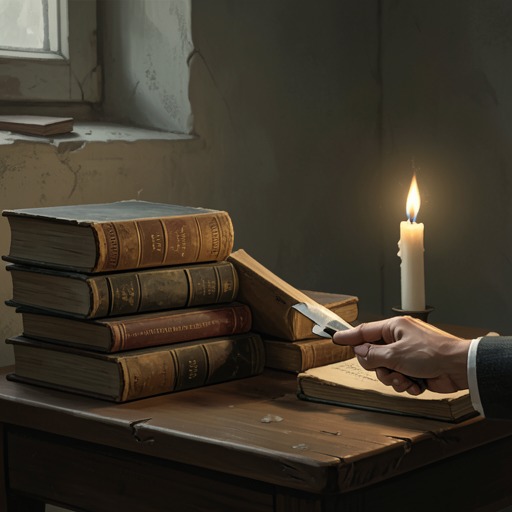
Before the fire, Cabestany’s secretary Nuria heard about Coubert’s offer and had a premonition. On her own initiative, she went to the warehouse and took one copy of every Carax title. Her action was not presented as an order from the publisher or as a planned response by the firm. It was an individual decision made before the danger became a confirmed loss.
Nuria had corresponded with Carax and, over the years, the two had formed a friendship of sorts. She was also described as probably the only person in the publishing house—and perhaps in all Barcelona—who had read his novels. Her rescue of the copies therefore joined personal acquaintance to practical preservation: she knew the author through their correspondence, had read the work, and ensured that each title survived in at least one copy.
The account places this act within Nuria’s wider fondness for lost causes. As a child she took in small animals she found in the street; later, she adopted failed authors, perhaps in part because her father had wanted to be a writer and never succeeded. These details do not make her intervention less concrete: she went to the warehouse herself and removed a copy of each title. They do, however, frame the rescue as one instance of a recurring tendency to protect what others have neglected or abandoned.
Aftermath and Significance
The fire’s consequences extend beyond the immediate destruction because the saved copies made subsequent recovery possible. Much later, proofs of Carax’s three novels turned up in a furniture warehouse belonging to the Cabestany family. Gustavo Barceló then closed his bookshop, sold its stock, and created a publishing company dedicated to reissuing Carax’s works. Its first volume contained those three novels and sold 342 copies, far behind the year’s bestseller, an illustrated life of the bullfighter El Cordobés.
The reissue did not reverse the loss or establish that all eight novels had been recovered. It does show the contrast between the fire’s near-total destruction of the stored stock and the later, limited return of Carax’s work to print. The surviving copies and proofs carried the novels across that gap: first out of the warehouse before the fire, and eventually into a new edition. The episode makes preservation depend less on the commercial value assigned to Carax’s books than on the decisions of people who refused to let them vanish.