Calle Santa Ana
The Shadow of the WindCalle Santa Ana is the setting of Daniel Sempere’s family home and the bookshop inherited by his father. Above the shop, Daniel grows up among books and in the quiet presence of his mother’s absence; the street thus anchors both his private life and the story’s larger concern with how memory survives loss.
Home Above the Bookshop
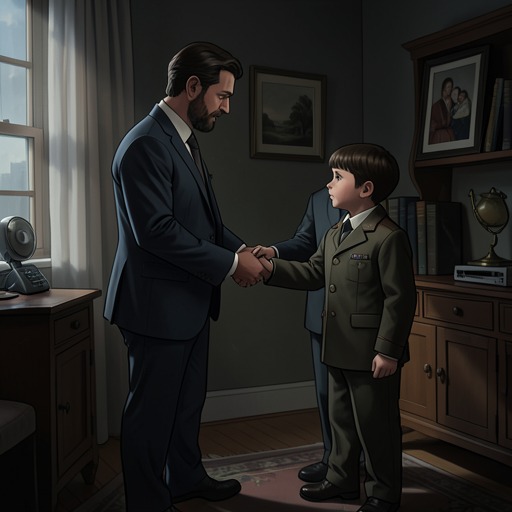
Daniel and his father live in a modest apartment on Calle Santa Ana, close to the church square. The rooms sit directly above the secondhand and rare-book shop inherited from Daniel’s grandfather, a business his father hopes Daniel will one day take over. The arrangement joins home and work in a single building: the shop supplies Daniel’s childhood world of books, while the apartment shelters the more private history that shapes him.
That history begins with the death of Daniel’s mother from cholera shortly after the Civil War. She is buried on Montjuic on Daniel’s fourth birthday. He retains only fragments of the day, especially the rain and his unanswered question about whether heaven was crying. Six years later, her absence remains palpable in the household. Daniel speaks to her at night as if she might hear about his days and school adventures; his father sometimes listens from the dining room, weeping silently.
A Household of Books and Silence
The bookshop is Daniel’s first imaginative landscape. Raised among its volumes, he makes invisible companions from the pages, and the smell of books remains part of his recollection of childhood. His father’s hope that Daniel will inherit the shop places the family’s livelihood alongside a legacy of reading, though Daniel’s youthful enthusiasms shift elsewhere for a time.
The apartment also holds what the family does not say. Daniel’s father has promised his dying wife never to speak to their son about the war or allow him to remember what happened. When he eventually discloses the promise, he admits uncertainty about whether he was right to keep it. The conversation makes the home a place where affection and protection take the form of silence, and where the past is present precisely because it has been withheld.
Returns and Changed Meanings
Calle Santa Ana recurs as the point to which Daniel returns after journeys into the city’s more shadowed spaces. After his first visit to the Cemetery of Forgotten Books, he slips into the apartment at dawn. The party table remains set, its cake untouched, while his father waits in his best suit, awake and smoking after years without doing so. The familiar rooms register the cost of Daniel’s unexplained absence without turning the scene into a confrontation: his father has waited through the night, and the household’s ordinary celebration has been left suspended.
The street’s significance is therefore not limited to domestic shelter. The apartment above the shop is where Daniel’s life with his father meets the silences inherited from an earlier generation. Its books preserve stories, while its rooms hold grief and an unspoken history; together, they establish the intimate ground from which Daniel’s search for other people’s pasts begins.