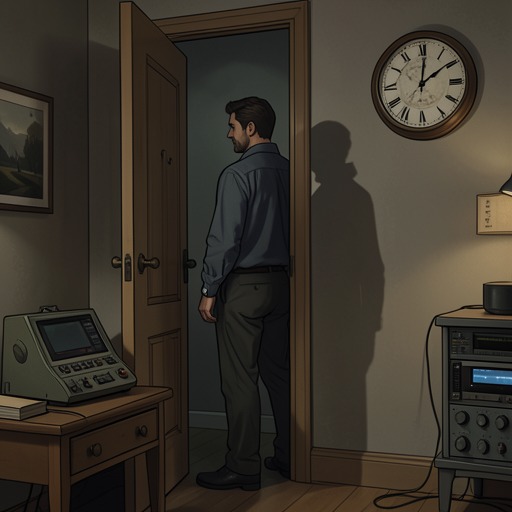
Coincidences are the scars of fate
The Shadow of the Wind“Coincidences are the scars of fate” is an aphorism attributed to Julian Carax that recasts apparent chance as evidence of an unseen design. In Nuria Monfort’s recollection, the phrase becomes more than a maxim: it frames her recognition that her hopes about Julian and their past had helped her evade the truth.
The saying and its meaning
Nuria recalls that Julian once wrote that coincidences were fate’s scars, then extends the thought in his address to Daniel Sempere: events are not simply random, but connected to desires that people may not consciously acknowledge. The image of a scar makes fate legible through its marks: what looks accidental may bear the trace of an underlying history.
The idea also unsettles the distinction between external circumstance and inward choice. Nuria describes people as puppets of their subconscious desires, suggesting that what they call coincidence may instead reveal what they have wanted, feared, or pursued without admitting it. The expression therefore offers a theory of events while also questioning how honestly anyone can interpret them.
Nuria’s retrospective confession
Nuria uses the aphorism to introduce a personal account of self-deception. For years, she wanted to believe that Julian remained the man she had fallen in love with, or at least that some part of him endured. She also hoped they could continue through alternating periods of misery and hope. These wishes shaped her understanding of their relationship, making belief itself a refuge from what she could not accept.
Her recollection names another hope: that Laín Coubert had died and returned only within the pages of a book. Set beside her beliefs about Julian, this hope shows how she tried to make a frightening reality manageable by imagining it as fiction. The passage culminates in her recognition that people may accept almost any explanation rather than face the truth. In this context, the aphorism is not proof that every event is governed by fate; it is a retrospective warning that desire can disguise itself as an account of coincidence.
Narrative significance
The saying links inward desire to the novel’s pattern of concealed histories and belated recognition. It first sounds like a confident claim about fate, but Nuria’s confession complicates it: the apparent design of events may be inseparable from the beliefs people bring to them. Her account makes the phrase both an interpretive key and a measure of its limits, since the desire to find meaning can also become a way to avoid knowledge.