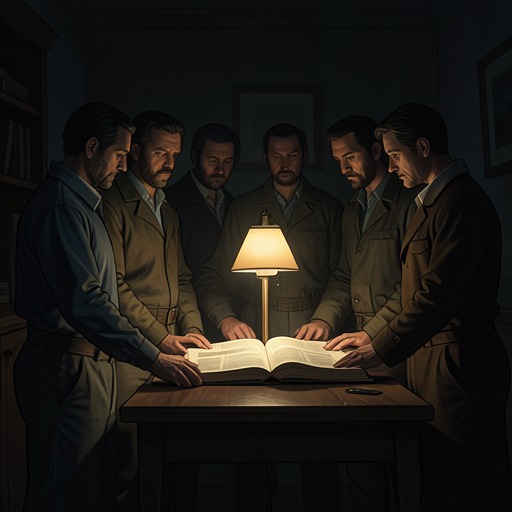
Fumero's prohibition on disturbing the past
The Shadow of the WindFumero’s prohibition on disturbing the past is not a neutral appeal to leave old matters alone. It is a direct order backed by surveillance, intimidation, and physical violence, aimed at stopping Daniel Sempere and Fermín Romero de Torres from investigating what Fumero wants buried.
The Warning
Fumero frames curiosity about the past as a provocation. He tells Fermín that he has not lost track of him and accuses him of presenting himself as a respectable citizen while meddling in matters beyond his concern. His reference to Fermín’s inquiries into the nuns makes clear that the warning is not abstract: Fumero knows what they have been investigating and uses that knowledge to threaten him.
Fumero then makes the prohibition explicit, insisting that people who stir up the past enrage him and declaring that it must be left alone. He extends the threat to Daniel as well as Fermín, telling the younger man that he is next. The command thus reaches beyond its immediate target: it is intended to frighten anyone who might continue asking questions.
Enforcement Through Violence
The warning is delivered while Fumero’s men hold Daniel and Fermín by the neck and restrain their wrists. Daniel recognizes one of the men as the raincoat-wearing follower who had been at a bar in Plaza de Sarria and had tailed them on a bus, evidence that the intimidation has been preceded by covert monitoring.
Fumero’s language quickly gives way to assault. As Daniel is held in place, Fumero kicks Fermín until he is left motionless, then urinates on him. The humiliation makes the prohibition bodily and unmistakable: the past is not merely declared off limits; inquiry is answered with the deliberate degradation of those who pursue it.
Meaning and Consequences
The episode exposes the coercive logic behind Fumero’s command. He presents investigation as improper interference, but his advance knowledge of Fermín’s activities, the presence of his agents, and the beating reveal the command as a means of protecting himself and controlling what others may know. The surveillance and violence enforce silence where argument cannot.
Daniel cannot intervene. Held by the officers, he watches Fermín’s beating in terror and later remembers his own silence and tears as cowardice. The scene therefore records not only Fumero’s threat but its intended effect: fear immobilizes witnesses as well as its immediate victim. The prohibition becomes a rule enforced through the possibility—and reality—of punishment.