
Montalbano’s Career and Conscience
The Shape of WaterMontalbano’s professional instincts repeatedly collide with personal loyalties and the limits of what he can prove or report.
increasing Bearing strength in each event
 decreasing
Bearing strength in each eventdecreasingAn Inspector at Home
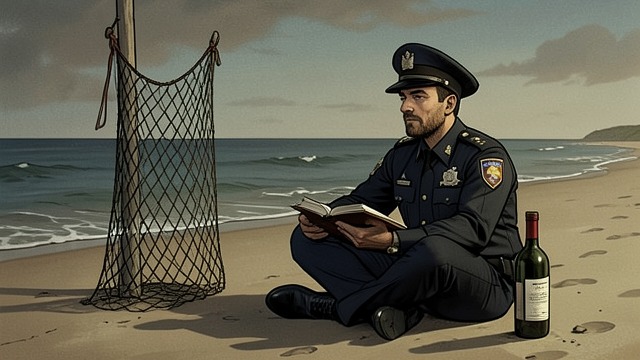
An Inspector at Home
Familiar Solitude
Montalbano lives alone by the sea and balances routine police work with food, swimming, reading, and calls to Livia.
A Local Perspective
His knowledge of Vigàta gives him insight that distant authorities lack.
Instinct Against the Autopsy
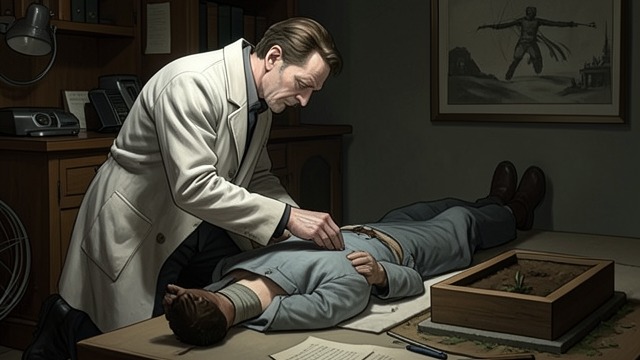
Instinct Against the Autopsy
Professional Doubt
Though the doctor declares natural death, Montalbano cannot reconcile the scene with Luparello’s disciplined public character.
Independent Inquiry
He follows the discrepancy instead of accepting institutional closure.
Pressure and Improvisation
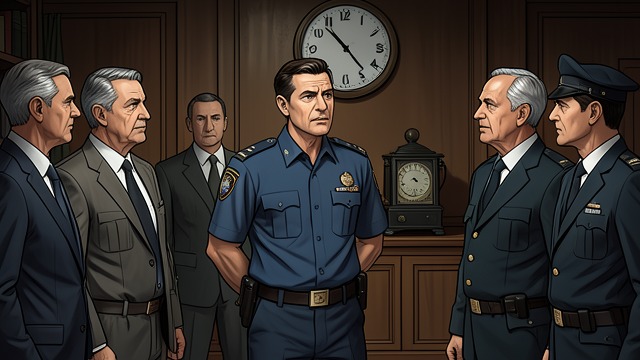
Pressure and Improvisation
Evasion
Montalbano uses the language of transparency to win time from officials who want the case closed.
Uneasy Tactics
He impersonates, withholds, and manipulates when conventional channels fail.
The Private Reconstruction
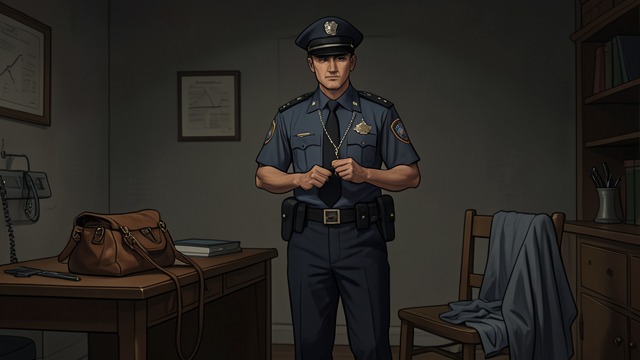
The Private Reconstruction
Full Account
Montalbano assembles the necklace, bag, route, clothes, and neck brace into an explanation of the staged scene.
No Legal Victory
He knows the account rests on deductions rather than evidence that could withstand a courtroom challenge.
The Fourth-Rate God
The Fourth-Rate God
Choosing Silence
Montalbano withholds his belief that Giorgio killed Rizzo, protecting the young man after the latter’s fatal crash.
Moral Residue
He recognizes that compassion has made him judge and accomplice, not merely investigator.
Before the case begins
At the first examination
The days before the funeral
At dinner with the commissioner
After learning Giorgio has died
