
Luparello’s Death as Political Theater
The Shape of WaterThe body’s placement and the media response transform private death into a staged public story about decency, shame, and power.
increasing Bearing strength in each event
 decreasing
Bearing strength in each eventdecreasingThe Exposed Body
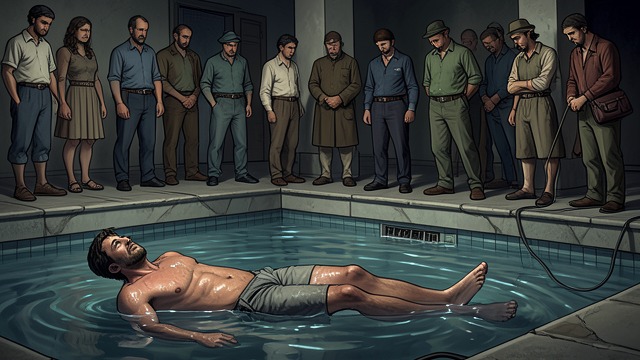
The Exposed Body
A Fall from Image
Luparello’s exposed body contradicts the immaculate public figure remembered by newspapers and politicians.
Spectacle
The humiliation invites a story about sexual disgrace before the facts are known.
The Praise of the Dead
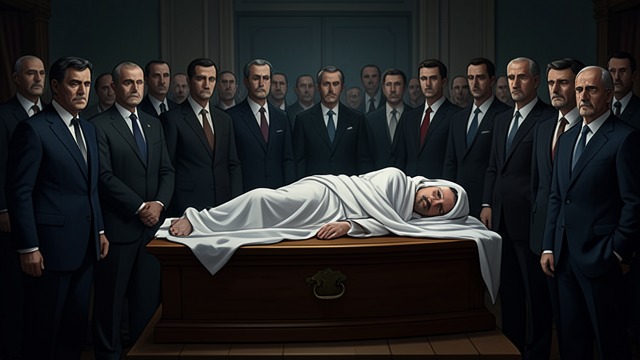
The Praise of the Dead
Public Memory
Newspapers celebrate Luparello’s generosity and political virtue while omitting where and how he died.
Selective Respect
The silence protects the dead man’s image but also protects the living network attached to him.
A Funeral of Performances
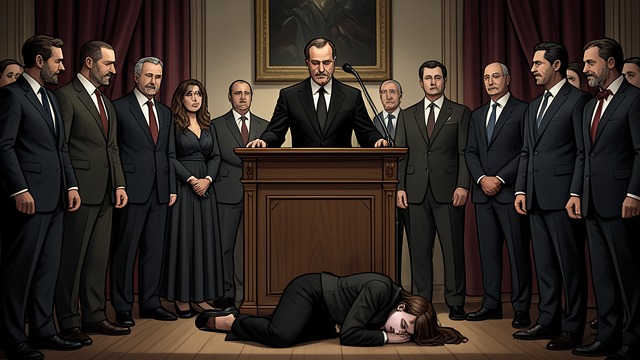
A Funeral of Performances
Ceremony
Officials, party figures, and mourners gather in a public display of grief and reverence.
Private Disbelief
The widow’s staged faint and Giorgio’s real grief expose the distance between political ritual and intimate loss.
The Scandal Feeds on Silence

The Scandal Feeds on Silence
Rumor Multiplies
The Free Channel’s silence prompts callers to invent increasingly lurid stories about Luparello.
Unintended Effect
An attempt to preserve dignity makes the scandal more imaginative and harder to contain.
A Body Used as a Political Tool
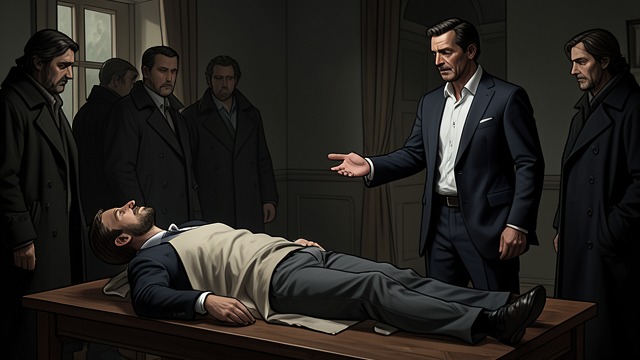
A Body Used as a Political Tool
Designed Shame
Rizzo allegedly uses the Pasture and staged sexual evidence to make Luparello’s allies ashamed to inherit his banner.
Afterlife of the Image
The dead man’s body becomes a political instrument long after his heart has stopped.
At the Pasture on Monday morning
The day after the discovery
The funeral morning
After Zito explains the Free Channel’s restraint
As Montalbano reconstructs Rizzo’s plan
