
The Investigation’s Resistance
The Shape of WaterThe inquiry develops under overlapping pressures from political institutions, media control, and Montalbano’s own lack of proof.
increasing Bearing strength in each event
 decreasing
Bearing strength in each eventdecreasingA Quiet Crime Scene

A Quiet Crime Scene
Restricted Attention
Montalbano keeps reporters away until the body is removed, hoping to prevent a public spectacle before the facts are known.
Immediate Interpretation
His restraint is praised as Christian charity, though it was simply his usual practice.
Calls for Closure
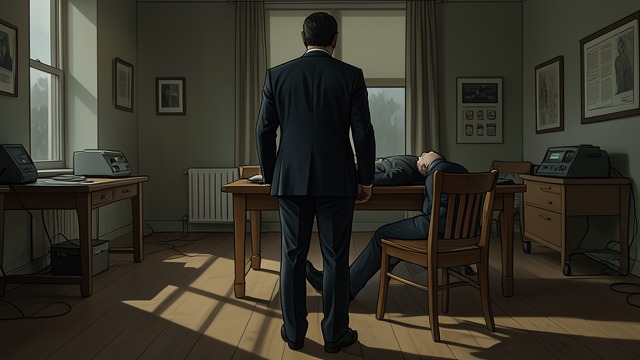
Calls for Closure
Official Consensus
The autopsy establishes natural death, and senior officials treat that finding as sufficient to end the matter.
Montalbano’s Delay
He secures extra time by invoking transparency, even though his real reason is an instinctive suspicion.
Pressure from Every Side
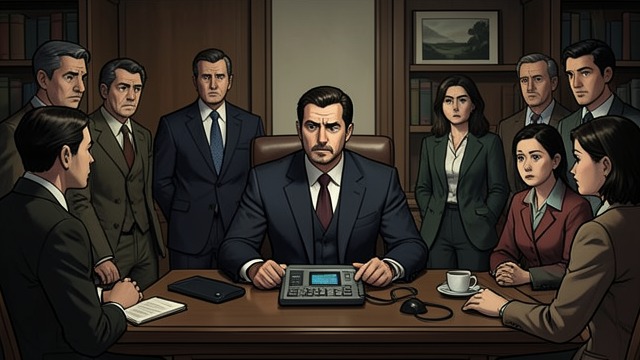
Pressure from Every Side
Repeated Appeals
The judge, prefect, bishop’s secretary, and family all urge Montalbano to finish quickly.
Isolation
His decision to continue is increasingly personal, unsupported by a formal crime or a clear piece of proof.
A Case Without a Case
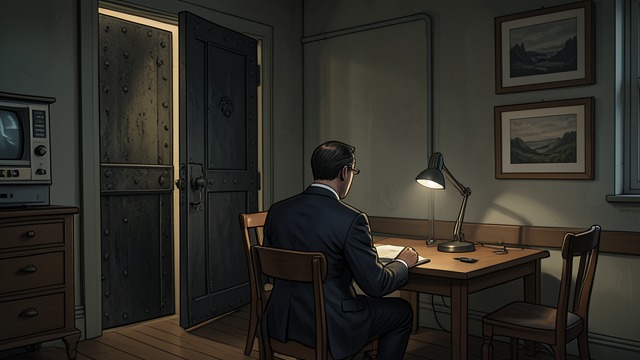
A Case Without a Case
Legal Boundary
The commissioner reminds Montalbano that natural death leaves little official basis for investigation, even if neglect may have occurred.
Moral Unease
The inspector’s questions exceed the narrow legal category of homicide.
The Public Explanation
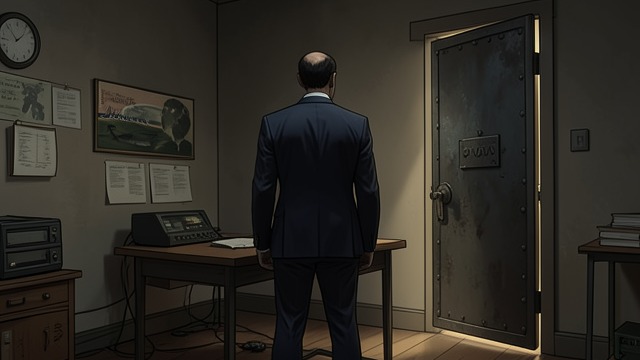
The Public Explanation
A Plausible Reconstruction
Montalbano explains how Rizzo exploited the death, but acknowledges that the evidence is circumstantial.
Institutional Ending
He agrees the case can close, while withholding the most consequential truth about Rizzo’s killer.
The morning Luparello is found
The day after the autopsy
The days before the funeral
At the dinner with the commissioner
Near the conclusion
