Giorgio’s neck brace
The Shape of WaterGiorgio’s neck brace is both a physical trace of the effort to conceal Silvio Luparello’s death and the object through which Salvo Montalbano recognizes what happened. First overlooked as an indistinct piece of plumbing at the Sicilchim old factory, it becomes the clue that joins Giorgio Zicari’s improvised deception to Montalbano’s final decision to keep the truth hidden.
Discovery at the Sicilchim Old Factory
Near the place where Ingrid Sjostrom’s bag had been found, Montalbano looks again at an object he had previously been unable to identify. It resembles a coupling sleeve for pipes, but he now recognizes it as a neck brace: new, though plainly used. The change is immediate and bodily; as if prompted by the sight, Montalbano’s own neck begins to hurt again. He picks up the brace, leaves the factory, and takes it back to headquarters.
The object’s recognition changes the meaning of an otherwise obscure piece of evidence. It is not merely an abandoned fitting among the debris: Montalbano’s explanation to Livia establishes that Giorgio had worn the brace until that very day and still had it in his car. The discovery at the factory therefore connects the object to the sequence by which Giorgio tried to move and disguise his uncle’s body.
Use in the Concealment
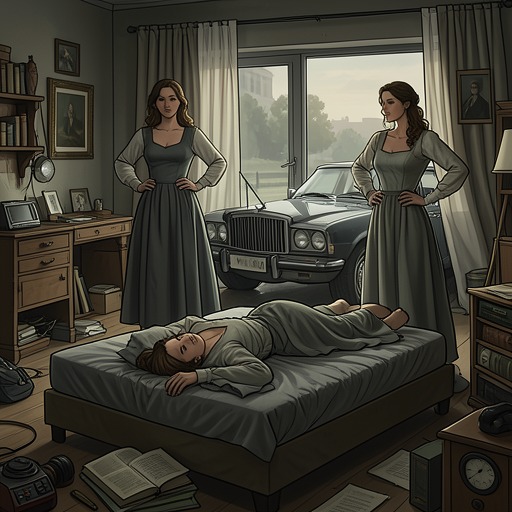
After Silvio Luparello died during a final meeting with Giorgio at the Capo Massaria house, Giorgio feared the scandal and what it would do to his uncle’s image and memory. He dressed Luparello again as best he could, dragged him to the car, and tried to take the body elsewhere. When he realized that carrying a dead man in the car would expose the fiction, he put his own neck brace on the corpse and attempted to hide it with a piece of black cloth.
The brace thus belongs to an improvised cover-up, not to a successful disguise. Giorgio’s attempt to conceal it sits within his wider panic: afraid that he might suffer one of his epileptic fits, he called Pietro Rizzo, who saw the death as a political opportunity. The brace later becomes the surviving material trace of that hurried effort, linking Giorgio’s fear of scandal to the deception Rizzo tried to exploit.
Montalbano’s Disposal of the Evidence
After learning the full account, Montalbano drives away and concentrates on the road rather than on what he has been told. After roughly sixty miles, he stops beside an artificial lake, opens the trunk, takes out the neck brace, throws it into the water, and waits until it sinks. Its disposal is deliberate: the clue that helped him reach the truth is also evidence he chooses to remove.
Only after the brace has disappeared beneath the water does Montalbano smile. He recognizes the presumptuousness of acting like a god, but believes that, in this first and hoped-for-last exercise of that power, he has guessed correctly. The object’s final significance lies in this reversal: what first seemed an unidentifiable scrap becomes a decisive clue, then something Montalbano deliberately erases in order to protect the secret it has helped reveal.