
Secrets That Turn Inward
The ShardsThis thread follows secrecy from adolescent concealment to deliberate self-deception, showing how private truths protect relationships briefly while deepening isolation and danger.
increasing Bearing strength in each event
 decreasing
Bearing strength in each eventdecreasingThe Unspoken Self

The Unspoken Self
Private desire
Bret hides his relationships with Matt Kellner and Ryan Vaughn from his closest friends, while performing the public role of Deborah Schaffer’s boyfriend. His secrecy preserves access to different social worlds without requiring him to reconcile them.
Concealment as shelter
The omissions feel manageable because the adults and peers around Bret also keep damaging truths at a distance. But each hidden relationship makes genuine intimacy harder, preparing the ground for later shame and mistrust.
The Promise to Susan
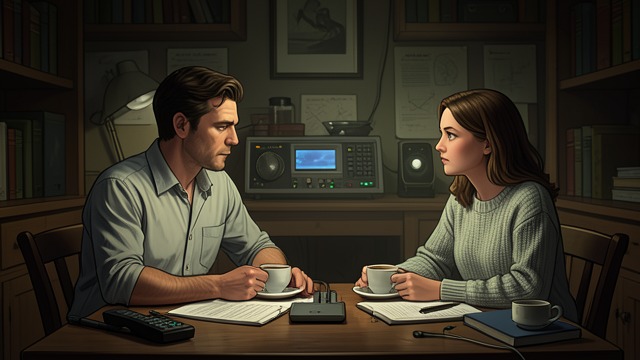
The Promise to Susan
A partial confession
Susan asks Bret about his closeness with Matt, and Bret admits only that they experimented. He calls the relationship casual, reducing its emotional importance even as Matt’s death continues to affect him.
A secret becomes a bargain
Bret asks Susan to keep the truth from Deborah and the others. The promise protects his public identity for the moment, but turns their friendship into a system of guarded disclosures rather than open trust.
Palm Springs Silence
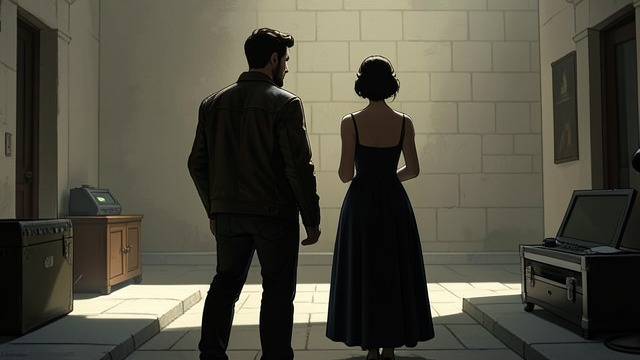
Palm Springs Silence
A concealed relationship
Bret follows Susan and Robert Mallory to Palm Springs and confronts Susan at Las Casuelas Terraza. She admits her attachment and pleads with Bret not to tell Thom Wright, placing him inside a secret that threatens his closest friendship.
Reciprocal concealment
Bret agrees to stay silent, and Susan agrees not to reveal that he found her. Their pact appears protective, but it binds Bret to an outcome he fears and allows the deception to continue.
The Tape Kept Hidden
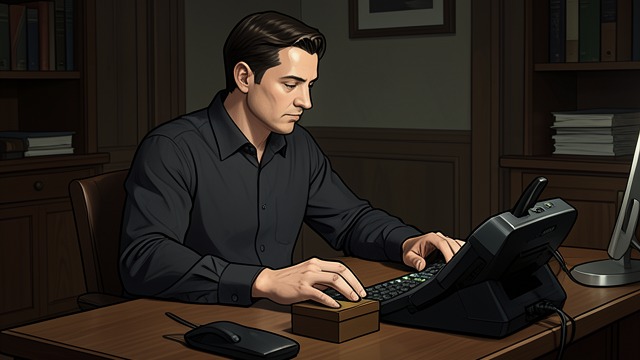
The Tape Kept Hidden
Evidence in private
After hearing the recording of Matt’s final night, Bret does not take it to the police or the Kellner family. He fears that the tape’s sexual accusations will expose his own relationship with Matt and make him vulnerable to suspicion.
Complicity through silence
Bret’s silence preserves his secret but prevents others from hearing evidence he considers crucial. The decision illustrates how self-protection can become entangled with the concealment of another person’s possible crimes.
The Lie That Survives
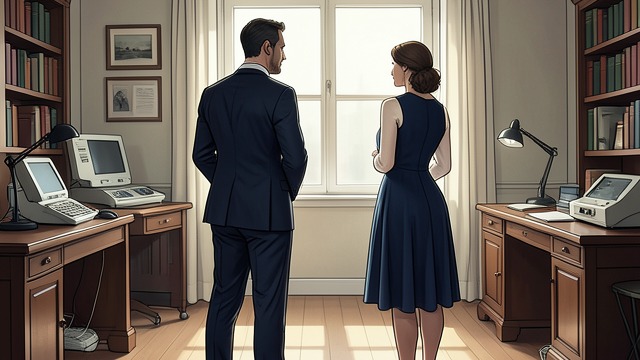
The Lie That Survives
A managed account
After the Century Towers confrontation, Bret tells authorities a version that casts him as the person trying to help Robert. His account protects him from scrutiny but leaves the truth of the struggle and Robert’s death unresolved for others.
A secret reopens
Years later, Susan reveals that she saw what she believed was a bite mark on Bret’s arm. Her suspicion shows that concealment never fully succeeds: a physical trace can revive the question that Bret’s story was designed to bury.
Summer 1981
Early October 1981
October 1981
Late October and early November 1981
November 7, 1981 and the later reunion
