
Privilege and the Protected World
The ShardsThis thread traces how wealth, private institutions, mobility, and social conventions buffer the teenagers from ordinary consequences while failing to shield them from violence.
increasing Bearing strength in each event
 decreasing
Bearing strength in each eventdecreasingCars as Independence
Cars as Independence
Mobility and adulthood
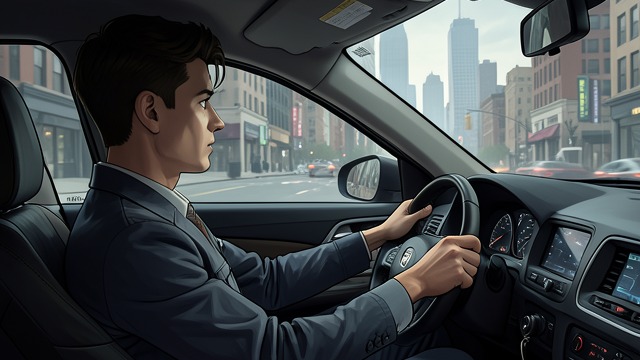
Bret recalls driving alone through Los Angeles, visiting clubs and friends’ houses, and treating a driver’s license as entry into adult freedom. Cars let teenagers move without parents and build private lives across the sprawling city.
Freedom without perspective
The mobility also makes it easier to evade supervision and ignore risk. Bret’s remembered independence is both a genuine privilege and a sign that the teenagers’ sense of control exceeds their understanding of the dangers around them.
The School’s Sealed Order
The School’s Sealed Order
A managed community
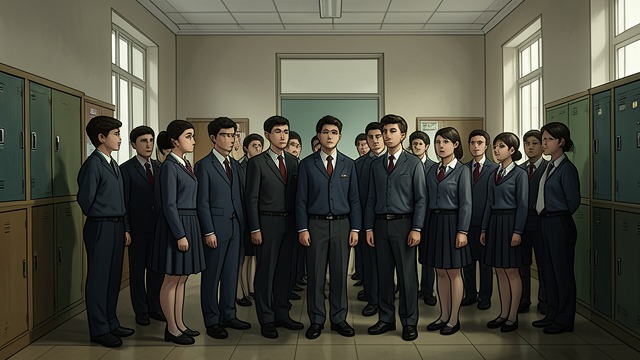
Buckley’s assemblies, uniforms, small classes, and carefully maintained routines create an atmosphere of calm and belonging. Students are treated as important within a world designed to keep disruption manageable.
Disturbance contained
When the Griffin statue is desecrated and police appear on campus, ordinary school life continues without openly confronting the horror. Institutional order preserves the appearance of safety while leaving students to manage what they witnessed on their own.
The Party as Empire
The Party as Empire
Spectacle and access
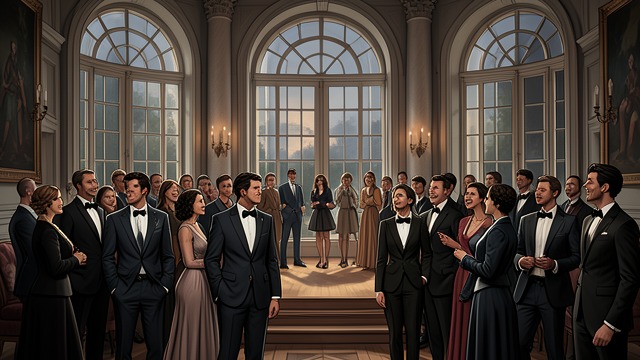
Terry’s party gathers celebrities, staff, and privileged teenagers in a private mansion. Robert encounters a world where fame and wealth can make access seem effortless and where even disturbing behavior is initially absorbed into the occasion.
The limits of protection
The party’s carefully managed setting cannot contain the consequences of Terry’s fall or the relationships and secrets beneath the spectacle. Privilege offers comfort and discretion, but not control over what happens next.
The School Looks Away
The School Looks Away
Normal routines continue
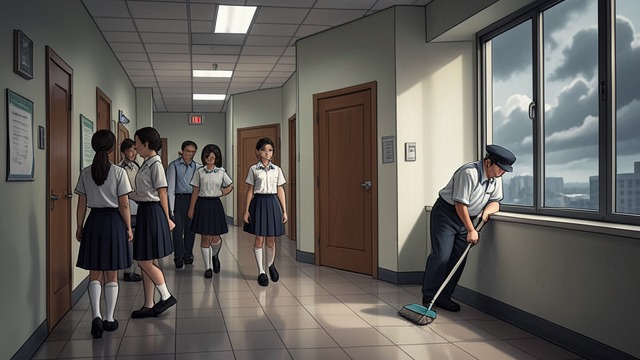
Matt disappears, his body is found, and the school offers a restrained account of an accidental drowning. Classes and assemblies proceed, while many students treat his death as a brief disturbance rather than a crisis demanding investigation.
Unequal attention
Matt’s isolation and lower social standing help explain how quickly he is forgotten. The school’s composed response reveals a community where recognition and concern follow status, leaving Bret alone with information that others do not want to confront.
The World Beyond the Bubble
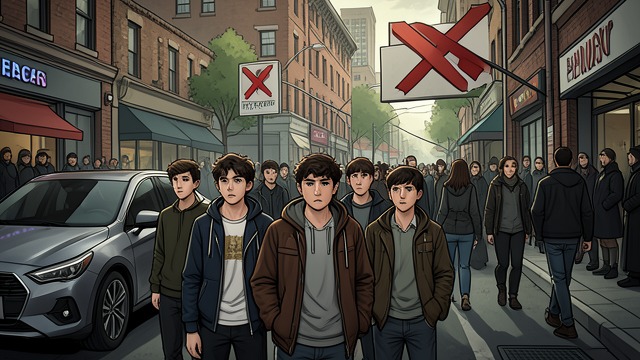
The World Beyond the Bubble
Violence breaks the illusion
The attacks on Susan and Thom, Debbie’s disappearance, and the discovery of Audrey’s body overwhelm the protective assumptions surrounding the teenagers. Their houses, school, cars, and private gatherings cannot keep danger outside.
Privilege cannot settle the past
In adulthood, Bret remembers the group’s insulated world as part of the story, not an escape from it. The same resources that grant mobility and privacy also facilitate secrecy, distance, and an inability to recognize how exposed they are.
1980 through Summer 1981
First week of September 1981
Halloween 1981
September and October 1981
After Robert’s death and in the later recollection
