
Lawson and Haydar's Uneasy Partnership
The ShepherdThis thread follows Lawson and Haydar from skeptical introduction through dangerous cooperation to a final act of respect for the woman they bring home.
increasing Bearing strength in each event
 decreasing
Bearing strength in each eventdecreasingAn Unwelcome Guide
First Impressions
A Challenge to Lawson
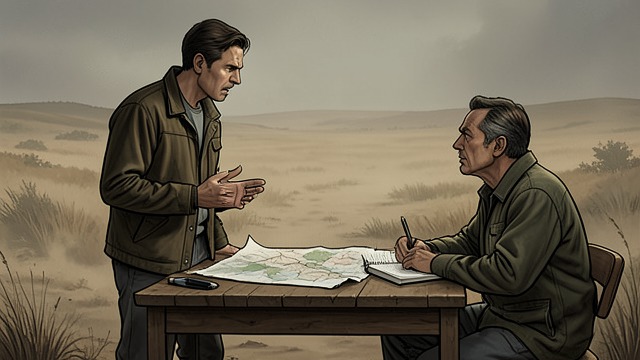
Niles introduces Haydar as the guide for Lawson’s passage north. Lawson sees a rail-thin teenager and protests that the journey is too dangerous to entrust to him. Haydar immediately answers that Lawson may be the one who needs watching, establishing their relationship through argument rather than deference.
Haydar demonstrates that he knows Peshawar’s intelligence networks and local geography in ways Lawson does not. His sharp questions are pointed, but they address a genuine imbalance: Lawson has combat expertise, while Haydar has the regional knowledge necessary to find the target.
Respect Begins
When Niles reveals that Haydar is a Ferret, Lawson revises his judgment and apologizes for taking him at first glance. Haydar accepts without becoming solemn, joking that he had also thought Lawson was an ass.
Their first connection is therefore mutual recognition, not instant friendship. Each sees the other’s difficult manner and decides it can be worked with. The humor makes room for a partnership that will soon require them to trust each other in unfamiliar and dangerous terrain.
A Long Road Together
Conversation in Transit
Testing Each Other
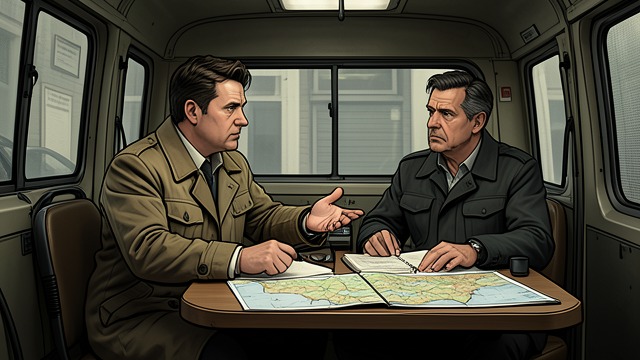
As Haydar drives north, Lawson asks how he became a Ferret, and Haydar turns the question back on him: how did he become a Fixer? The exchange shifts from credentials toward beliefs, including Lawson’s uncertainty about whether destiny led him to the Council.
Haydar speaks openly about religion, poverty, and the way extremists exploit desperation. Lawson does not dismiss his judgments, even when the two trade cynical jokes. Their conversation establishes a kind of trust that comes from being able to disagree, speculate, and reveal opinions without abandoning the practical task.
Shared Perspective
Haydar recognizes Lawson’s cynicism and says it is one reason they get along. Lawson is not entirely convinced they do, but their teasing suggests the beginning of comfort rather than mere tolerance.
The drive also makes clear that Haydar’s work is rooted in understanding people around him. Lawson learns that his guide is more than a source of coordinates: he has thought deeply about the conditions and beliefs that shape the region. That knowledge earns Lawson’s attention before the mission tests their cooperation physically.
The Dangerous Handoff
Cooperation With Limits
A Burden Shifted
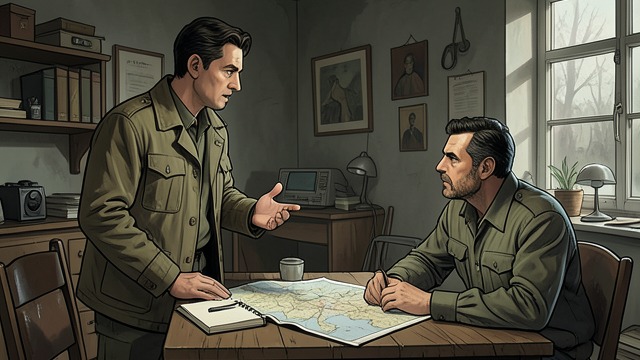
Niles informs Lawson that Haydar must track the Shepherd in Peshawar while Lawson waits across the border. Lawson objects to losing control of the operation, and Haydar admits that he is not pleased either: the revised plan increases the risk to his long-established cover.
Their frustration is not directed solely at one another. Both understand that the Council has reassigned the risks without asking for their preference. Haydar still agrees to take the tracking role, while Lawson accepts that his own job is to intercept the target after the handoff.
A Working Understanding
As Haydar drives Lawson toward the border, he provides combat gear, a cache, and a route to the Afghan side. He tells Lawson to move quickly and warns him that people there may kill him for looking American. These practical instructions express care in Haydar’s own blunt register.
Lawson trusts the guide enough to cross alone on the strength of his directions and promises to wait for his signal. The partnership is no longer simply a convenience arranged by Niles: both men now depend on the other to do his part and keep the operation possible.
A Scent of Betrayal
Trust After Violence
A Shared Danger
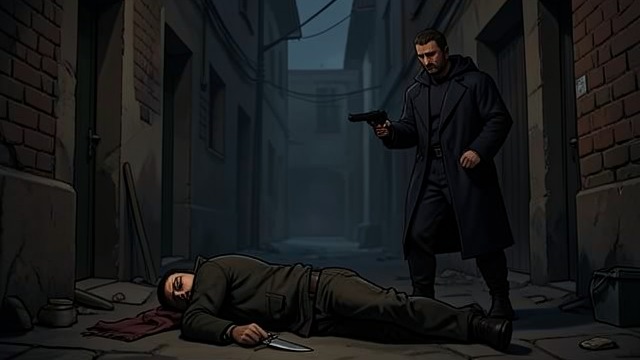
When a human attacker ambushes them in an alley in Dera Ismail Khan, Lawson disarms him before Haydar shoots him to prevent him from identifying them. Lawson questions the killing, but Haydar explains the danger of leaving an attacker alive in a place where information can be sold.
The encounter exposes a difference in their instincts. Lawson pauses over the moral cost; Haydar is focused on survival and concealment. Neither response breaks their working bond, but the decision forces Lawson to see how Haydar’s local experience shapes actions that might otherwise seem unnecessarily severe.
Continuing Together
After they bury the body and clean themselves up, Lawson recognizes that Haydar’s assessment of the region cannot be treated as theory. The two leave immediately rather than linger over the disagreement.
The episode turns trust into something tested rather than assumed. Lawson has already relied on Haydar to navigate the journey, and now he must also accept that the guide’s judgments about local danger come from long exposure to conditions Lawson has barely begun to understand.
Carrying a Second Passenger
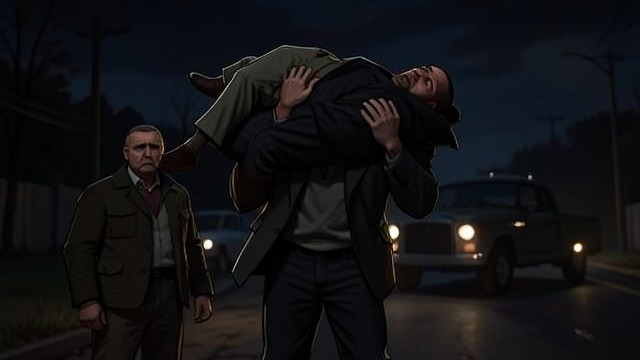
Care at the Point of Departure
An Unexpected Return
Haydar expects to meet Lawson at the border, but Lawson arrives carrying Veena’s body. The extra passenger complicates Haydar’s extraction and makes him worry that the detour will expose him. He says plainly that he had not expected this and does not want to risk his cover.
Lawson answers with equal directness: Veena took the force of the trap and saved his life. Leaving her in the mountains would be an unacceptable abandonment. His explanation does not erase Haydar’s concern, but it makes the moral reason for the added risk unmistakable.
Respect Without Ceremony
Haydar sees Lawson’s resolve and apologizes. When he understands that Veena saved Lawson twice, he bows his head in respect and calls her quite a woman. His earlier reluctance gives way to recognition of the debt she earned.
He helps Lawson place Veena in the vehicle and carries her out with him. Their final cooperation is less about tracking a target than honoring someone who died beside them. Haydar’s practical complaint remains part of who he is, but it no longer outweighs his respect for Lawson’s promise.
At Niles's safehouse in Orangi Town
On the drive from Karachi toward Peshawar
After the Council changes the plan in Peshawar
After the attack in Dera Ismail Khan
At the border after the Shepherd's death
