
The Rio Escape
The Short and Tragic Life of Robert PeaceThis flow traces Rio de Janeiro as Robert DeShaun Peace’s imagined place of peace and the limits of escape.
increasing Bearing strength in each event
 decreasing
Bearing strength in each eventdecreasingA Distant Vision
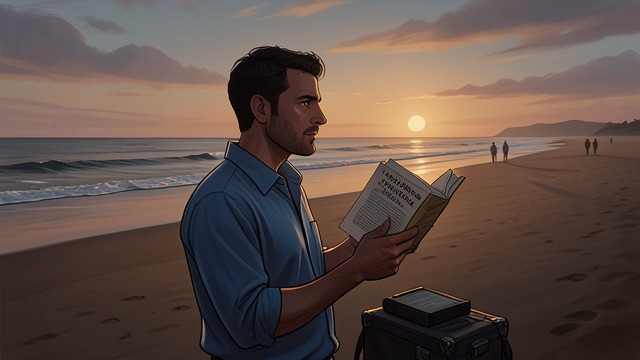
Imagining Rio
A promised elsewhere
Robert DeShaun Peace hears about Rio de Janeiro as a place of beaches, movement, music, and social fluidity. He studies Portuguese and treats the city as a future release from obligation.
Escape from categories
He imagines a place where he will not be reduced to a poor black student, a drug dealer, or a son carrying an imprisoned father.
Deferred departure
The dream remains attractive precisely because it has not yet encountered practical consequences.
Beachside Freedom
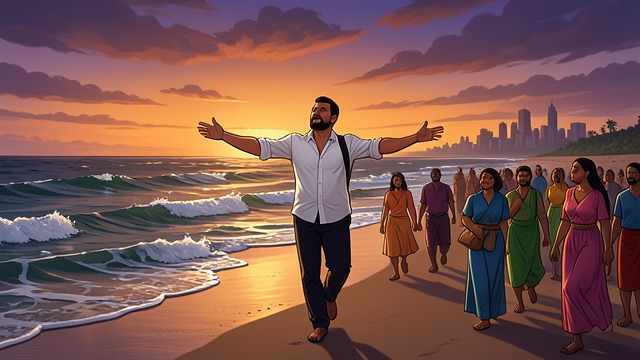
The City of Peace
Arrival
Robert reaches Rio de Janeiro with no fixed lodging or employment and quickly finds a modest studio near Ipanema Beach.
A different rhythm
He walks, swims, speaks Portuguese, meets strangers, and watches the nightly applause at sunset. For once, he has nothing urgent to do and no one immediately depending on him.
Temporary transformation
The city gives him a convincing experience of freedom, but it does not remove his mother, his father, his debts, or his habits.
The Return Cost
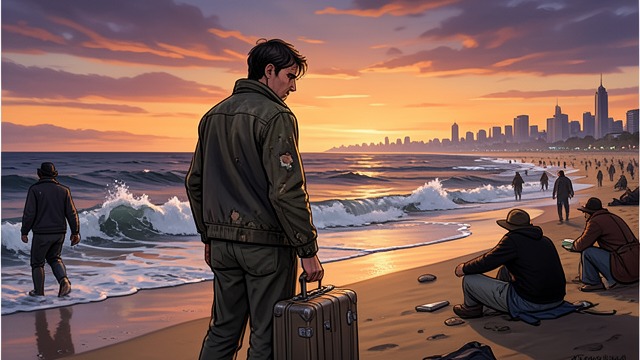
Coming Back with Less
Broken illusion
Robert returns from Rio after learning that Carl has opened and emptied his black trunk. His savings and the future they were meant to purchase have vanished.
Responsibility
He recognizes that the theft depended on his own decisions: keeping cash, leaving the country, and trusting Carl with the trunk.
A narrowed freedom
The city that promised escape now becomes another unfinished chapter. Robert returns to Newark more determined to earn money and more trapped by the need to do so.
Yale years before graduation
February to April 2003
April 2003
