
The Prisoner’s Shadow
The Short and Tragic Life of Robert PeaceThis flow follows how Robert “Skeet” Douglas’s imprisonment shapes his son’s identity, ambition, and final grief.
increasing Bearing strength in each event
 decreasing
Bearing strength in each eventdecreasingThe Charismatic Father
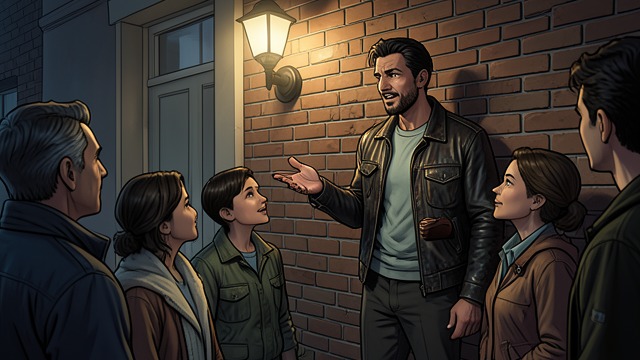
A Father in Motion
Social power
Robert “Skeet” Douglas introduces his son to people, streets, music, and the confidence of being known. He teaches facts and homework with the same intensity he brings to social life.
Contrasting influence
Jackie Peace values caution and books, while Skeet values toughness and public presence. Robert DeShaun Peace absorbs both systems.
A powerful attachment
The father’s affection is real, making his later absence more devastating than a simple story of abandonment.
The Prison Visits
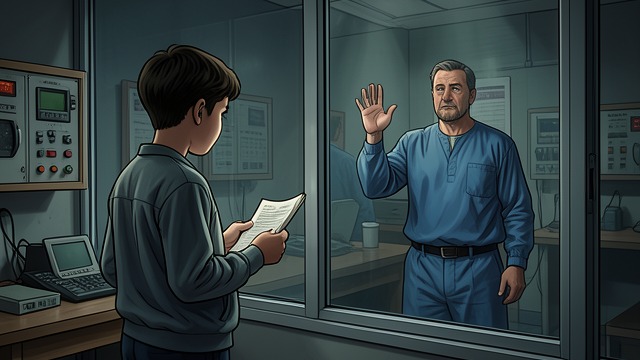
Love Through Plexiglass
Separation
After Skeet’s arrest, Robert DeShaun Peace visits him in Essex County Jail and later Trenton State Prison. The visits become a ritual organizing childhood and adolescence.
Belief
Robert accepts his father’s claim of innocence and gradually makes that claim part of his own intellectual and emotional identity.
Adultification
The boy becomes a witness, advocate, and emotional companion before he has the freedom to be only a child.
The Final Loss
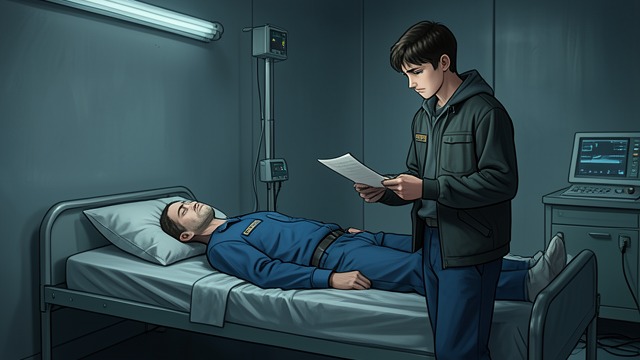
A Father Dying in Custody
Illness
Skeet Douglas develops brain cancer while incarcerated. Robert DeShaun Peace writes letters and seeks outside treatment, trying once more to make the prison system release his father.
Powerlessness
A prison lockdown prevents medical furloughs, and Robert can offer presence but not rescue. Their final visits occur beside the biological and institutional limits of Skeet’s body.
Grief without closure
Skeet dies in prison after the final appeal fails. Robert loses not only his father but the project that had defined his loyalty for nineteen years.
Robert’s early childhood
1987 to 1998
2005 to August 2006
