
Pity and Human Dignity
The Shrinking ManThis flow traces Scott's resistance to being treated as helpless and the gradual distinction he learns between pity, recognition, and genuine companionship.
increasing Bearing strength in each event
 decreasing
Bearing strength in each eventdecreasingThe Fear of Pity
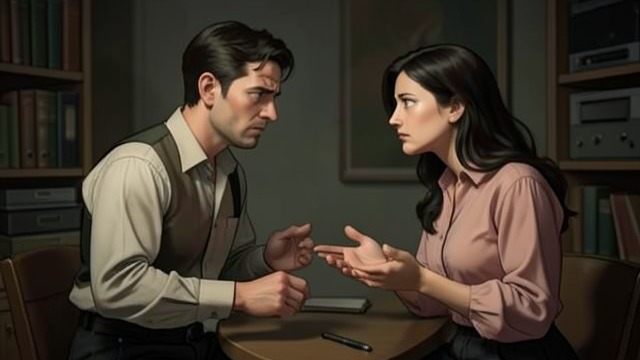
The Fear of Pity
A humiliating possibility
Scott fears that Louise's tenderness may be pity rather than desire. He interprets changes in her voice and gestures as evidence that she no longer sees an equal partner.
Dignity under strain
His reactions reveal how deeply he equates independence with worth. The illness makes him dependent, but the greater wound is his fear that dependence has made him less human to others.
The Street as Judgment

The Street as Judgment
A public hierarchy
Scott walks among people who may see only a child or curiosity. His body exposes him to assumptions that he cannot easily correct or escape.
Pity as defeat
He concludes that pity can feel worse than anger or abuse because it places him among helpless things. The judgment is painful, though the story later complicates it through relationships based on actual understanding.
The Carnival Reunion
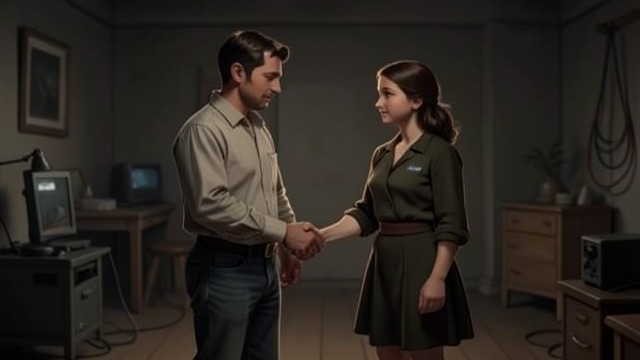
The Carnival Reunion
Recognition rather than display
Clarice does not encounter Scott as a newspaper subject or a problem to be managed. Their shared experience lets each acknowledge the other without translating smallness into helplessness.
A different emotional language
Scott initially calls their condition pitiful, but Clarice resists that description. Her response opens a distinction between suffering and being defined by suffering.
The Word Man
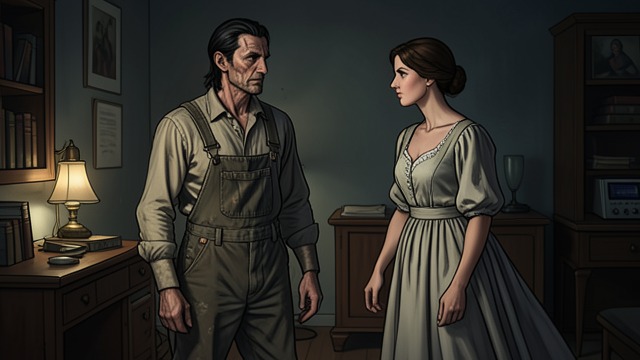
The Word Man
A direct correction
Clarice tells Scott that he is a man. The statement challenges his belief that reduced physical presence has erased his personal identity.
Meaning through recognition
Scott does not regain his former stature, but he sees that another person can still recognize the self he feared was disappearing. That recognition helps him replace self-contempt with purposeful attention.
Pride Without an Audience
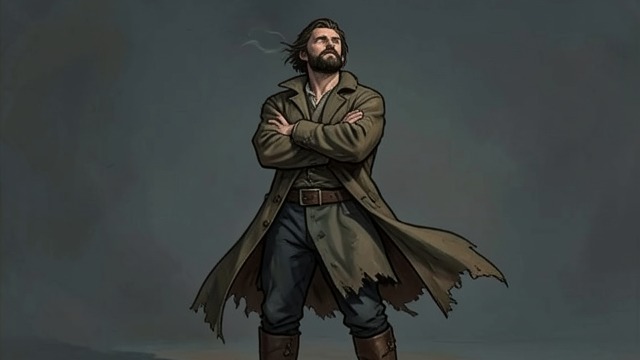
Pride Without an Audience
No expected praise
Scott considers his struggle and declares that he has fought well, despite being alone and near the end he once imagined. His pride does not depend on an audience's approval.
Dignity reclaimed
He accepts that his life has involved fear and failure without reducing himself to either. The moment resolves his struggle against pity by making self-recognition possible even without another person present.
During Scott's early decline
After Scott leaves home for a solitary walk
The October night Scott meets Clarice
The morning after Scott spends the night with Clarice
Scott's final night beneath the stars
