March 14
The Shrinking ManMarch 14 marks a quiet but decisive turn in Scott Carey’s life in the cellar. Cold, gray, and seemingly ordinary, the day brings him face to face with the shortness of his remaining time—and with the choice to keep living rather than surrender to it.
The Day in the Cellar
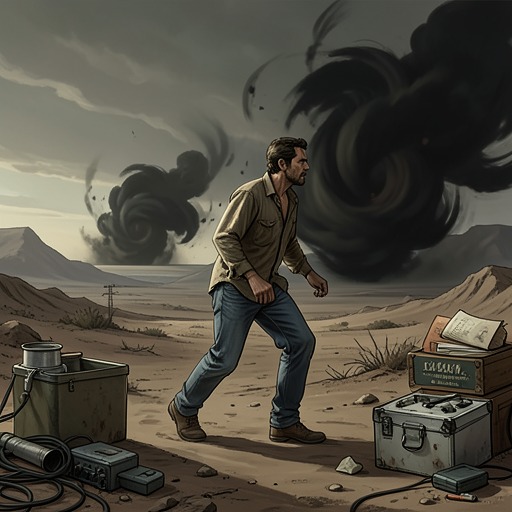
Scott does not measure himself that morning; measurement has lost its point. On unsteady legs, he crosses the cellar and makes his way to the hose. After a half-mile walk, he climbs over its metal lip and enters the black, twisting tunnel, where his sandals scuff against the rubber floor and keep slipping loose. His robe drags behind him as he walks through ten minutes of darkness toward water.
Water and the Approach of Spring
Scott crouches in the shallow, cold water and drinks, grateful despite the pain of swallowing. The hose recalls an ordinary task from a larger life: carrying one outside, attaching it to a faucet, and spraying the lawn. Now he is less than one fifth the hose’s width, a tiny figure sipping driblets of water from a hand no bigger than a grain of salt. The contrast makes the scale of his shrinking concrete, even as that diminished size has become ordinary to him rather than a phenomenon.
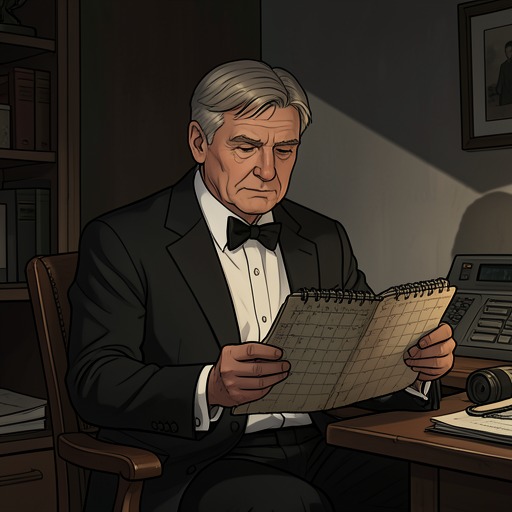
Returning across the cellar floor, Scott thinks of March 14 as another day and of the first day of spring, due to arrive on the island in a week. He knows he will never see it. The calendar gives his predicament a precise horizon, but does not make him stop: he looks instead toward the cellar’s hazards and the possibility of finding food.
A Decision to Act Alive
After finding and scraping a dirty cracker crumb, Scott rejects the idea of returning to sleep. He recognizes that he has a mind and can decide how to understand the universe of the cellar. He had planned suicide, but something—fear, a subconscious desire to survive, or what he imagines as an outside intelligence—had kept him alive. Whatever its cause, his continued existence leaves action possible and the decision his own.
Scott mutters that he may as well act alive. The resolve gives his movement new certainty despite his pain, and he finds a larger piece of cracker behind a cement block. He eats it for nourishment, then turns toward the giant carton beneath the fuel tank, understanding that he must act or perish. The carton’s history of rage becomes practical: he had once kicked open its side, and it has since supplied two thimbles for collecting water and material for his robe. On March 14, the day he believes he is nearing nothingness becomes the day he chooses to use what remains within reach.