
The Collision of Time Scales
The SilenceThis theme thread traces the way flight displays, memories, scientific ideas, and crisis reports make time feel unstable.
increasing Bearing strength in each event
 decreasing
Bearing strength in each eventdecreasingMinutes Measured on a Screen
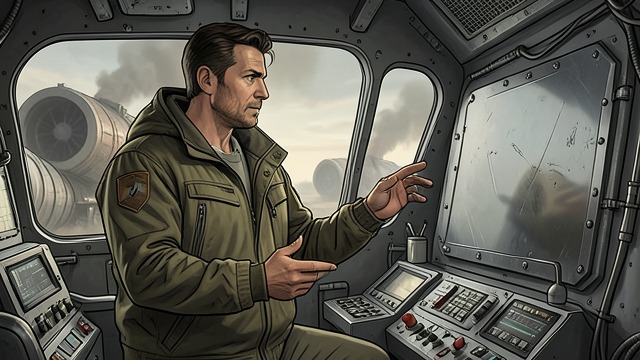
The Flight’s Clock
Numbers in Motion
Jim reads arrival times, distance, altitude, and speed aloud as the plane crosses the sky. Numerical updates give each moment a measurable edge.
Time as Occupation
The figures do not make the flight shorter, but they help him endure it. Measurement becomes a way to keep passing time from dissolving into the engine’s drone.
A Holiday Recovered in Fragments
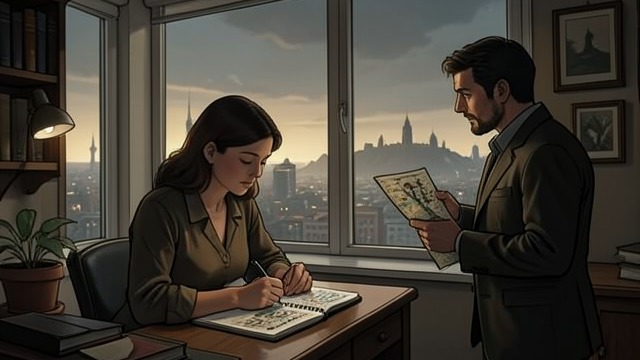
Looking Backward
Notes and Missing Moments
Tessa seeks a specific rainy day from the Paris trip, while Jim supplies familiar landmarks and impressions. Their different memories show how a past event can feel both shared and inaccessible.
The Future Reader
Tessa writes for a possible future self who may find meaning in today’s details. Her notebook turns memory into an attempt to cross time deliberately.
The Long Night Jumps
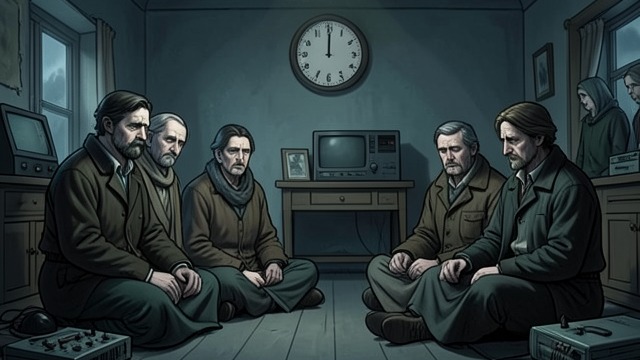
A Distorted Present
Time Seeming to Move
The narrative notes that time appears to jump forward and asks whether midnight intensified the disruption. The group has no reliable devices to mark the transition.
The Body’s Clock
Sleepiness, hunger, and cold replace standardized measures. The characters experience time through bodily strain rather than screens or schedules.
The Manuscript Across a Century
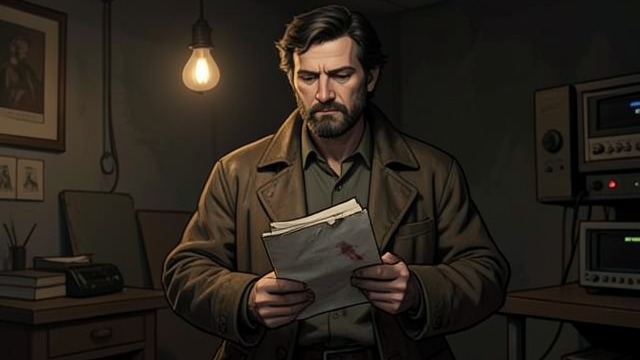
1912 in the Present
An Old Scientific Object
Martin holds the manuscript’s early twentieth-century pages in his memory, down to changes in paper and ink. The document carries a past era directly into the blackout night.
Historical Continuity
The manuscript’s age offers an alternative to the characters’ unstable present. Yet its theories cannot explain the crisis surrounding them.
A Future Arriving Too Soon
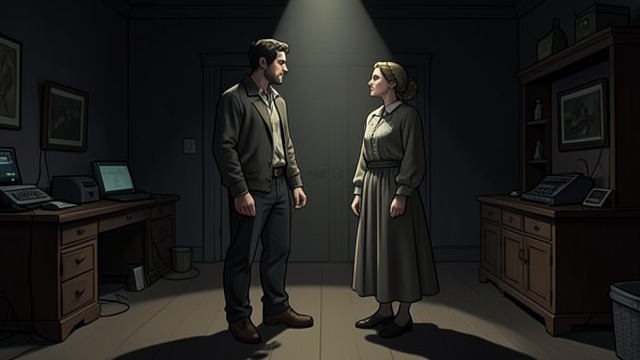
Imagining What Comes Next
Premature Future
Martin and Diane wonder whether they are living in a makeshift reality or a future that has taken shape too soon. Neither can tell whether the change is temporary or epochal.
The Present Without Bearings
Their questions about time and space express a loss of orientation rather than a solved theory. The night ends without a stable boundary between what has happened and what may still come.
early in the return flight
midway through the return flight
after midnight in the apartment
during Martin’s late-night reflections
near the end of the night
