Lennie and Toby’s relationship
The Sky Is EverywhereLennie Walker and Toby Shaw’s relationship is a grief-driven intimacy formed in the space Bailey’s death leaves between her younger sister and her fiancé. Their closeness offers momentary relief from missing Bailey, but it is also charged with desire, guilt, and loyalty to the woman they have both lost. The relationship moves from a farewell embrace to kisses and near-sex, then reaches a limit when Lennie recognizes that physical closeness is making her grief worse rather than healing it.
A bond shaped by Bailey’s absence
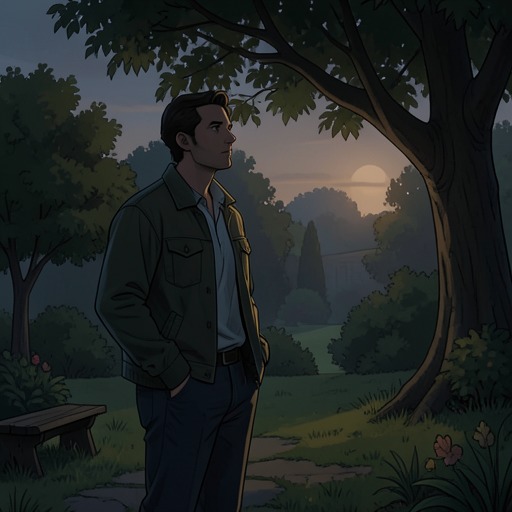
Toby enters Lennie’s life not as a new romantic possibility but as Bailey’s beloved and intended husband. Their connection is therefore entangled from the beginning with a relationship neither can replace: Bailey’s. In one early farewell, Toby says he should leave but lingers; when he finally prepares to go, he and Lennie hold each other tightly beneath a starless sky. For a moment, Lennie feels that their heartbreak has become one shared sorrow rather than two separate losses. The embrace also brings an unexpected bodily awareness of Toby, which startles her into pulling away and running back into the house. The scene establishes the relationship’s defining tension: comfort and attraction arrive together, before Lennie knows what to do with either.
Bailey’s dream of a future with Toby makes that tension more acute. Lennie remembers that Bailey wanted Juilliard, not a conventional wedding, and had planned to apply again after enrolling at Clover State. But Bailey and Toby were engaged, and Lennie and Toby now face the daily absence of someone who had been central to both their lives. In the aftermath, their shared loss gives them an immediate understanding of one another, while also making their closeness feel like a trespass against Bailey.
From consolation to intimacy
The first kiss grows out of a conversation about surviving without Bailey. Lennie and Toby are together in Bailey’s room; tequila has left Lennie wanting to disappear, and she tells Toby that they are the saddest people in the world. When he touches her face and does not withdraw his hand or gaze, grief becomes physical closeness. Lennie kisses him back. In that moment, she imagines that the two of them have somehow reached across time and brought Bailey back—not literally, but through the shared intensity of remembering and missing her.
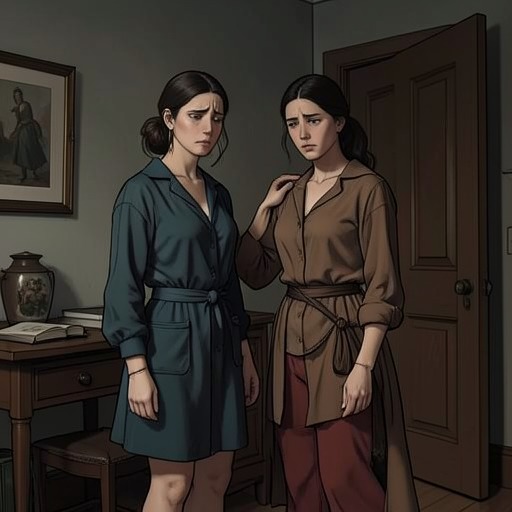
Toby immediately panics and says he does not understand what has happened. Although he says he should leave, he stays on Bailey’s bed. He explains that being near Lennie is the only time he does not feel as if he is dying from missing Bailey. Lennie answers that she feels the same. They trace the freckles on his cheek, cry, and lie together spooning on Bailey’s bed. Even their comfort is inseparable from the dead: Lennie wonders whether they are replacing their own scents with the last traces of Bailey still lingering in the bedding. The bed makes the intimacy feel both protective and morally fraught, as if Bailey’s absence remains physically present between them.
Their closeness recurs in the woods. Lennie sees Toby sitting under the plum tree and meets him there; together they go toward the river without needing to explain the plan. At Flying Man’s, Toby tells her that Bailey wanted to hold their wedding ceremony there so that, after exchanging vows, they could jump into the pool. As he speaks, Lennie imagines Bailey in a bright orange wedding dress, leading the celebration back toward the house. The imagined wedding briefly gives shape to the happiness Bailey and Toby expected to share. Then Lennie and Toby begin to cry, their tears indistinguishable, and kiss again. The scene joins physical desire to an irretrievable future: their kiss follows not a declaration of new love but the realization that Bailey’s planned happiness is gone.
Repetition, guilt, and a boundary
The attraction does not end with those kisses. During the summer, Lennie recognizes that she has been repeatedly drawn toward kissing and that Toby remains the person she imagines, despite having promised Bailey she would never kiss him again. Her response confuses her partly because sex had previously felt remote, more like the passion of literary characters than an experience she expected to have herself. With Toby, desire is bound to grief and fear; she describes wanting him because he makes her feel a little less afraid. The intensity does not make the relationship simple or secure. It makes Lennie question herself and the promise that once seemed clear.
After another encounter with Toby, Lennie walks home intending to stop what has been happening. She decides that he must feel terrible too and assumes his urgent message is meant to make sure it will not happen again. Yet later, while making lasagnas in the window at Maria’s Italian Deli, she finds herself returning to the same decision and failing to act on it. She enters Toby’s number into her phone ten times, stopping each time before placing the call. She wants to say that they must stop—for Bailey’s sake, because Lennie has kissed Joe, and because their intimacy leaves her feeling guilty—but memories of being with Toby overcome her resolve before she can send the message.
When Toby is in Lennie’s room, their renewed encounter approaches sex. They dress in haste, and Lennie tells him to stop, fumbling with her buttons and feeling ashamed. Her reason is more than a rule about what she should not do: she says that being with him no longer makes her miss Bailey less; it makes the loss worse. That recognition marks a limit in their bond. Their intimacy had briefly seemed to offer a way to share the burden of grief, but it cannot restore Bailey, and it begins to intensify Lennie’s awareness of what they have lost and of the promise she is breaking.
The future they do not get to share
The relationship remains defined by the future Toby and Bailey had been preparing to announce. At Bailey’s grave, Lennie finds an orange-topaz ring inside the small cabinet in the headstone. She is certain Toby had it made especially for Bailey and thinks it may have been what they were waiting for before telling the family about their marriage and the baby. These are Lennie’s conclusions as she holds the ring, not an announcement she heard from either of them. Its discovery makes the couple’s interrupted plans concrete: an engagement, a pregnancy, and a wedding by the river have all become possibilities Bailey will not live to see.
Lennie kisses the ring and returns it to the cabinet beside a notebook of Gram’s letters to their mother, placing two forms of family history in Bailey’s memorial. The gesture does not settle what Lennie and Toby’s relationship becomes afterward. The evidence instead leaves their intimacy at its painful boundary: they have sought one another because they share Bailey’s absence, but Lennie has recognized that desire cannot turn that absence into a cure. Their bond matters because it reveals both the appeal and the cost of trying to make shared grief into a substitute for the life Bailey and Toby had planned.