
Mortality, Change, and Renewal
The Snow QueenThis thematic thread connects seasonal passing, human loss, and the story’s insistence on renewal without denial of change.
increasing Bearing strength in each event
 decreasing
Bearing strength in each eventdecreasingRoses That Fade
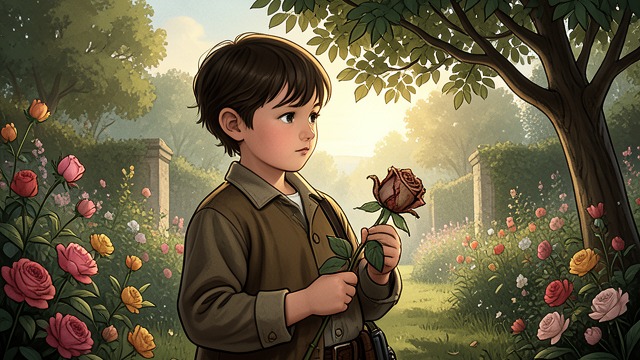
Roses That Fade
Change acknowledged
The children’s hymn says that roses bloom and cease to be. Their garden is beautiful precisely within a life that changes with the seasons.
Hope beyond permanence
The second line promises a sight beyond the flowers’ passing. The song offers hope without pretending that earthly beauty lasts forever.
Gerda’s Fear of Death
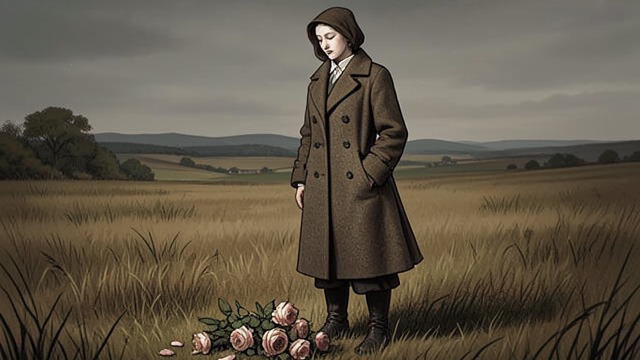
Gerda’s Fear of Death
A direct question
After recovering her memory, Gerda asks the roses whether Kay is dead. Her fear is sharpened by the long absence and the uncertainty of her search.
Consolation without false knowledge
The roses say they have been where the dead lie and that Kay is not there. Their answer gives hope, though it does not yet reveal his location.
The Crows’ Later Loss
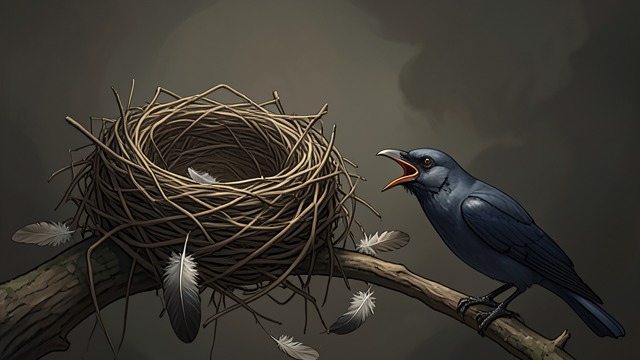
The Crows’ Later Loss
A report interrupts joy
The Robber-girl tells Gerda that the Forest crow has died and that the Tame crow mourns him. Their story introduces mortality into the homeward journey.
Acknowledging the cost of time
The reunion has not stopped change elsewhere. The report keeps the ending from treating restored love as a world without loss.
The Children Grow Up
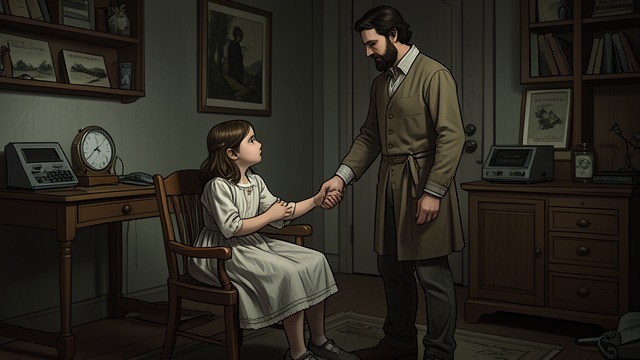
The Children Grow Up
Time made visible
The room remains familiar, but Kay and Gerda realize they have become a man and woman. Their journey has crossed years as well as countries.
Continuity without stasis
They sit in their childhood chairs and hold hands. The scene preserves affection while acknowledging that neither the children nor their world has remained unchanged.
A Summer Beyond Winter

A Summer Beyond Winter
Seasonal closure
The story ends in warm summer, far from the cold halls where Kay was captive. Green growth and blooming roses frame the children’s restored home life.
Renewal, not erasure
The icy palace recedes like a painful dream, but memory and maturity remain. Summer signifies renewed life after hardship rather than a claim that winter never happened.
summer, when the children sing together
spring, during Gerda’s questions to the garden roses
spring, during Gerda and Kay’s return
summer, as Kay and Gerda enter Grandmother’s room
the final lines, after Grandmother reads aloud
