Kay and Gerda Return to Their Homeland
The Snow QueenKay and Gerda’s return to their homeland completes the rescue story by bringing them out of the Snow Queen’s cold, empty palace and back to the familiar room where their journey began. The homecoming is not simply a reversal of their departure: spring has returned, they have grown up, and the childlike faith associated with their roses and hymn now gives their reunion its final meaning.
From the Palace to the Green Border
The children leave the Palace of the Snow Queen hand in hand. As they walk, they speak of their Grandmother and of the roses on the roof, carrying the memory of home into the landscape that had seemed to exclude warmth and life. The winds become still, and the sun breaks forth. The outward change accompanies their departure from the palace: the cold setting of Kay’s captivity gives way to a world in which movement and reunion are possible again.
At the bush with red berries, they find the Reindeer waiting. He has brought another young reindeer, whose udders are full. Kay and Gerda drink her warm milk and kiss her on the mouth. The meeting makes their passage out of the ice-bound region bodily and immediate: after the severe cold of their journey, they receive warmth and nourishment before continuing. The red-berried bush, where Gerda had earlier been left alone, now becomes a place where the children meet again and prepare to travel together.
Their route takes them first to the Finland woman. They warm themselves thoroughly in her hot room, and she gives them directions for the journey home. They then go to the Lapland woman, who has made new clothes for them and put their sleighs in order. Both reindeer run beside the children and follow them as far as the country’s boundaries, where the first green leaves are budding. There Kay and Gerda take leave of the two reindeer and the Lapland woman. Birds begin to twitter, and the forest fills with young green leaves: the farewell occurs at the threshold of a visibly renewing landscape.
The Robber-Girl and the News of Others
From the forest comes a beautiful horse that Gerda recognizes as one of the horses that drew the Golden Carriage of the Prince and Princess. Riding it is the little robber-maiden, now wearing a shining red cap and carrying pistols in her belt. She has grown tired of staying at home and is heading first north; if that does not suit her, she intends to try another part of the world. Her own movement outward contrasts with Kay and Gerda’s homeward passage. Their encounter is joyful because each recognizes the other, but the robber-girl greets Kay with a challenge about whether he deserves to have someone go to the end of the world to find him.
Gerda asks after the Prince and Princess. The robber-girl reports that they have gone to foreign countries. Asked about the crow, she says that he is dead and that his tame sweetheart is now a widow, wearing a bit of black worsted around her leg and mourning, in the robber-girl’s irreverent account, very pitifully. The news registers loss within an otherwise joyful reunion: not every figure from the children’s travels is waiting to return with them. Gerda and Kay then tell the robber-girl how they managed to get Kay back. Her delighted response, “Snip, snap, snare! it’s all right at last,” marks the rescue as complete in the language of her own earlier adventures.
The robber-girl takes both their hands and promises to visit if she ever passes through their town. She then rides away into the wide world. The promise leaves open a future meeting, while the departure confirms that the three companions now have different directions to follow: the robber-girl chooses further travel, and Kay and Gerda continue toward home.
Homecoming and Recognition
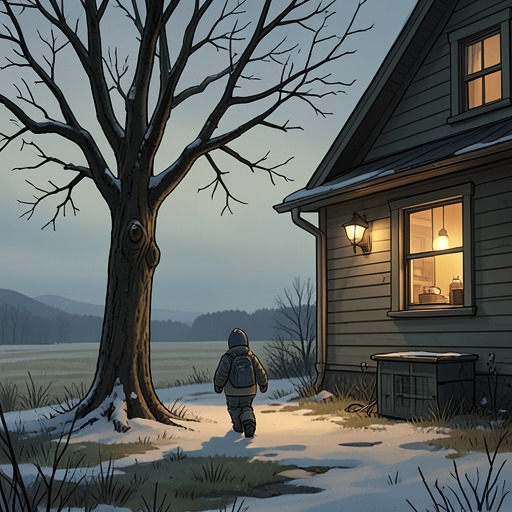
Kay and Gerda go hand in hand. As they advance, spring becomes more lovely, with green verdure and beautiful flowers. Soon they recognize their large town and the tall church steeples; the bells ring merrily as they enter and find their way to their Grandmother’s door. The account brings the journey to its destination through familiar landmarks rather than a new adventure: town, steeples, bells, door.
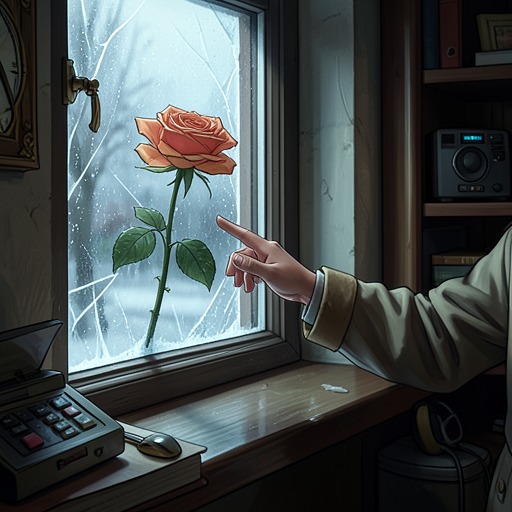
Upstairs, the little room looks just as it used to. The old clock still goes “tick, tick,” and its hands point to the time of day. The roses outside on the roof are in full bloom and peep in at the window. The little chairs remain, and Kay and Gerda sit in their own places and hold each other by the hand. These objects establish continuity with the childhood home they left: clock, chairs, roses, and the shared gesture of holding hands survive the distance and danger of the journey.
Yet the familiar room also reveals a change. As the children pass through its door, they perceive that both have grown up and become a man and a woman. Their physical growth does not erase the childhood bond or the images that have guided them. The cold, empty grandeur of the Snow Queen’s palace vanishes from their memories like a painful dream, and the return restores the small domestic setting against which that grandeur can be measured.
The Meaning of the Return
The Grandmother sits in God’s bright sunshine and reads from the Bible: “Except ye become as little children, ye shall in no wise enter into the kingdom of God.” Kay and Gerda look into each other’s eyes and understand at once the words of the old song they had sung together when the roses blossomed in their garden: “Roses bloom and cease to be, / But we shall the Christ-child see.” The Bible reading and the remembered hymn join the homecoming to the story’s earlier scenes of roses and shared belief. Their meaning is not supplied as a separate explanation by the children; their recognition of the words makes the connection part of the reunion itself.
The ending holds two states together rather than making them opposites. Kay and Gerda are grown up, yet remain children at heart; the summer is warm and beautiful, while the roses’ seasonal blooming and ending remain present in the hymn. Their return therefore resolves the separation without pretending that time has stood still. They recover the room, their shared history, and one another, and the final image places that mature reunion within the faith and childlike understanding the story has brought them home to.