Spring
The Snow QueenSpring is a recurring threshold in the story: it brings warmth and signs of life after cold, but it does not immediately undo loss. First it arrives while Gerda is grieving Kay’s disappearance; later, on the children’s homeward journey, its green growth and flowers accompany their reunion with home. Against the Snow Queen’s frozen world, Spring gives the story a visible language for hope, return, and renewal.
Seasonal Signs and the First Turn
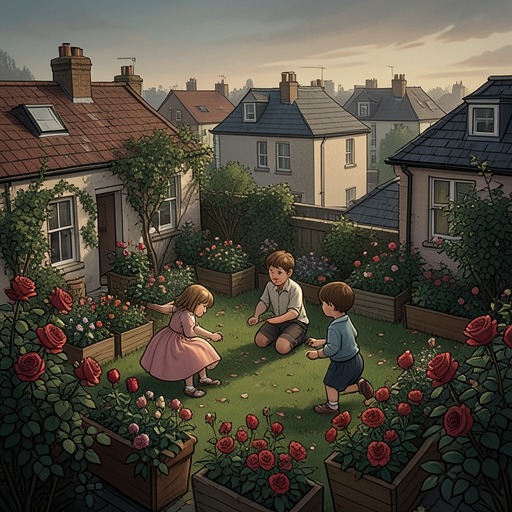
After a clear frost, Spring comes with sunshine, young green leaves, swallows building nests, and windows opened again. The children return to their rooftop garden, where the roses blossom. The change in season restores familiar outdoor life, but the passage also points beyond the garden: the little girl sings a hymn about roses to Kay, and he joins her. Flowers and song become linked in their shared childhood before their separation.
Spring’s arrival does not erase the story’s earlier image of the Snow Queen. Kay has seen her in the snow, a beautiful but icy figure whose glance offers neither peace nor rest. The seasonal contrast is therefore not simply between bad weather and good weather: the story places a living, flowering world beside the Snow Queen’s glittering cold, establishing an opposition that will matter as Kay is drawn into her realm.
Spring During Gerda’s Search
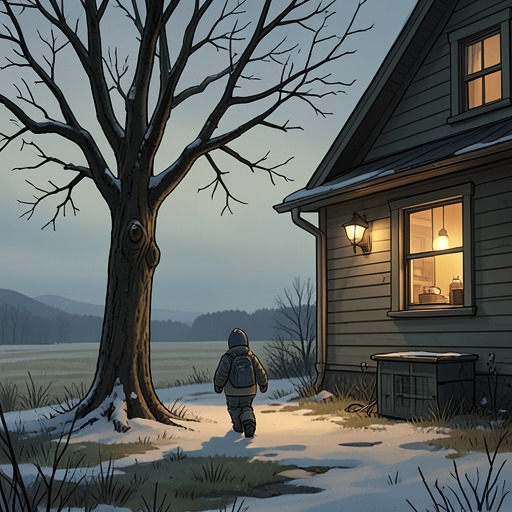
After Kay vanishes, no one can explain where he has gone. The boys report that he tied his sledge to a much larger one, which carried him through the town gate; the adults have no further news. Gerda weeps and believes he must have drowned in the river near the school. When Spring returns with warm sunshine, she still says that Kay is dead and gone. The season brings a change in the landscape, not certainty about his fate.
That gap between renewal in nature and Gerda’s continuing grief gives Spring a searching, rather than conclusively restorative, role. The sun answers her claim with disbelief, while she repeats it to the sparrows. The new season opens the narrative beyond the lost winter, but Gerda must still act on hope and travel to find Kay. The story later sets that quest against the severe cold of Finland, where living snowflakes guard the Snow Queen’s approach; seasonal renewal does not make the journey safe or simple.
Green Growth on the Homeward Road
When Kay and Gerda leave the icy palace, they speak of their grandmother and the roses on the roof. The winds are at rest and the sun breaks out. At the bush with red berries, the reindeer are waiting; one has brought a second young reindeer, and the children drink its warm milk before continuing their journey. At the Finland woman’s home they warm themselves, and the Lapland woman provides new clothes and prepares their sledges.
At the boundary of the country, the first green leaves are budding. The children take leave of the reindeer and the Lapland woman as birds begin to twitter and young leaves fill the forest. The return journey thus passes through a series of concrete signs of renewed life: warmth after exposure, new growth after ice, and birdsong after the silence of the frozen landscape. Spring accompanies their movement out of the Snow Queen’s territory and back toward the familiar world.
Homecoming and Renewal
As they advance, Spring becomes lovelier, with green growth and flowers. Kay and Gerda recognize their town by its tall church steeples and ringing bells, then find their grandmother’s door and climb to the little room. The roses are again in full bloom at the window, recalling the rooftop garden and the hymn they shared as children. The return of the roses makes the homecoming a recurrence as well as a conclusion: an image established before the separation is present again after the journey.
The children have grown into a man and a woman by the time they reach home, yet they sit in their childhood chairs and hold hands. Their grandmother reads from the Bible, and the story joins Spring’s visible renewal to a renewed understanding of the words she reads and the old song about the roses. The cold grandeur of the Snow Queen’s palace fades from their memories. Spring does not reverse the journey or restore them to their former ages; it frames a return in which remembered childhood, changed lives, and the familiar home can meet again.