
Religious Faith and Abandonment
The Sorrows of Young WertherThis flow traces Werther's movement from a sense of divine presence in nature to questions about whether God will receive him.
increasing Bearing strength in each event
 decreasing
Bearing strength in each eventdecreasingThe Divine in Nature

Creation as Presence
A world alive
Werther senses the Almighty while lying among grass beside a stream and noticing plants and insects. Nature's smallest forms seem to carry universal love.
Faith through feeling
His religious confidence arises from immediate experience rather than formal doctrine. The feeling offers consolation while it lasts, but depends on his capacity to experience the world as harmonious.
A Prayer for Tears

The Loss of Consolation
Nature no longer moves him
Werther looks at sunrise and the river but cannot feel the joy that once came naturally. He prays for tears, recognizing that his emotional life has become dry and unresponsive.
Faith becomes a question
He recalls accepting earlier blessings with gratitude and wonders why that capacity has disappeared. The contrast makes spiritual consolation seem fragile rather than guaranteed.
The Cup of Bitterness
Suffering and Religion
Counsel resisted
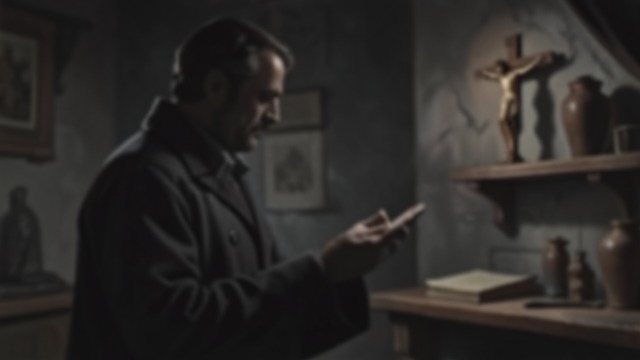
Werther asks William to stop advising him and reflects on whether religion affects all people equally. He compares human suffering with the anguish voiced by Christ on the cross.
A demand for understanding
Werther does not simply reject faith; he asks whether his suffering places him beyond its comfort. His letter reveals a person struggling to speak religious language from within despair.
Henry and the Healing Journey

Faith in Remedy
Sympathy for the afflicted
Werther defends the journeys of ill people and pilgrims, arguing that effort can bring relief even if it does not cure them. He sees hope in trusting a healing power beyond oneself.
Prayer for a return
He addresses an absent Father and asks to be called back. The prayer is heartfelt, but its longing is directed toward departure from life rather than renewed participation in it.
The Father and the Grave
Faith at the Threshold
Death imagined as reunion
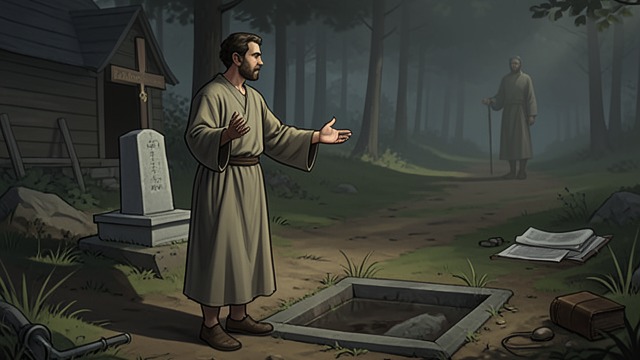
Werther says he will go to his Father and to Lotte's Father, expecting comfort and a future meeting. He frames death in theological language that reassures him.
Unanswered uncertainty
The novel does not confirm the reunion Werther imagines. His words reveal the strength of his hope and the uncertainty surrounding the spiritual meaning he assigns to suicide.
May 10, in the spring landscape
November 3, after joy has faded
November 15, in Werther's letter to William
November 30, after Werther meets Henry
December 21, in the final letter
