
Mortality and the Passing of Time
The Sorrows of Young WertherThis flow traces the novel's repeated reminders of death and transience, from childhood memory to Werther's final grave.
increasing Bearing strength in each event
 decreasing
Bearing strength in each eventdecreasingDead Friends Remembered
Grief Before Lotte
An earlier loss
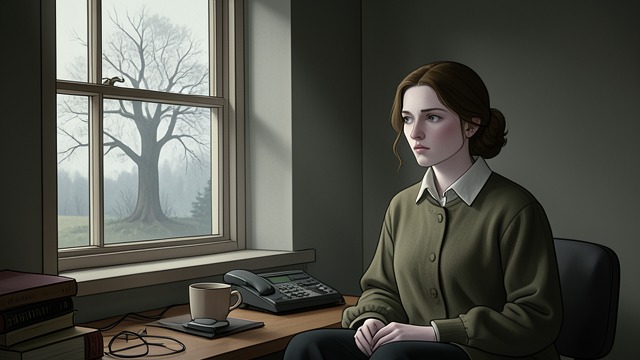
Werther remembers a close female friend who died young and whose firm mind and patience remain vivid to him. The memory reveals that his susceptibility to loss predates his attachment to Lotte.
Death as a private measure
The remembered dead give his present feelings a frame of permanence and sorrow. He repeatedly understands life through what has already vanished.
Childhood Landscapes Altered
Time in Familiar Places
A world changed
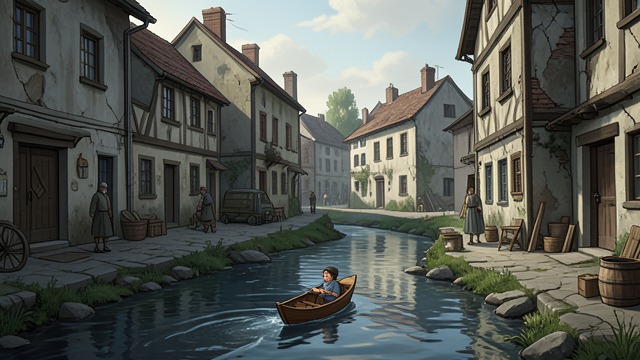
Werther returns to his childhood village and finds buildings and paths altered. The old stream and schoolroom bring back a life that cannot be re-entered.
Memory and mortality
His reflections on how little earth people need for enjoyment and burial join nostalgia to awareness of death. The landscape makes time's passage tangible.
Flowers That Do Not Ripen
Life's Brief Harvest
A birthday gift
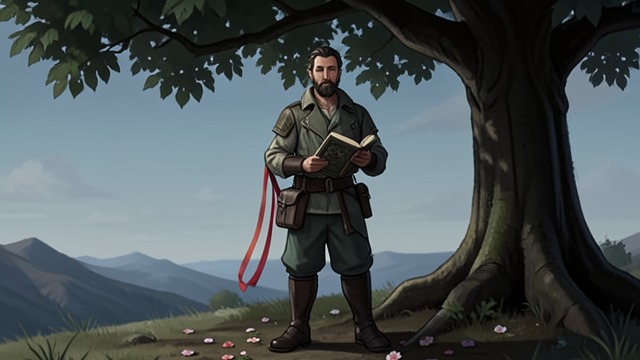
Werther receives a ribbon Lotte once wore and books from Albert. The presents recall happier days and the care of people who understand his wishes.
Transience acknowledged
He reflects that life's flowers often pass without yielding ripe fruit. The thought expresses gratitude for joy while emphasizing how rarely it can be retained.
The Grave's Open Prospect
Death Imagined Everywhere
Nature's losses
Werther sees the destruction of small lives in an ordinary walk and becomes troubled by the impermanence of every creature. He also wonders how quickly a person's absence would cease to matter.
A mind turned toward endings
Mortality stops being a distant philosophical subject and becomes an immediate measure of his own worth. His thoughts about death grow more frequent as he loses interest in living pursuits.
The Chosen Burial Place
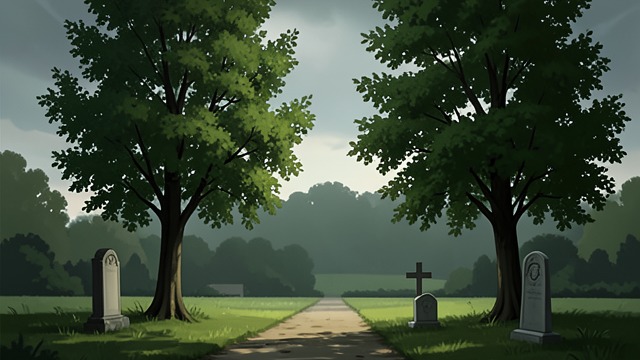
Death Given a Location
The lime trees chosen
Werther asks Lotte's father to have his body laid near two lime trees at the churchyard's edge. He imagines the place in advance and gives instructions for his burial.
A final image
The request turns mortality into a scene he can compose, much as he has composed his emotional life. The actual funeral is quieter and more troubling than the grand reunion imagined in his letters.
May, in Werther's early letters
May 9, during the village homecoming
August 28, on Werther's birthday
August through November, as Werther's despair deepens
December 21, in Werther's final letter
