
Love as Happiness and Misery
The Sorrows of Young WertherThis flow traces the novel's paradox that the same love that gives Werther intense joy becomes the source of his suffering.
increasing Bearing strength in each event
 decreasing
Bearing strength in each eventdecreasingThe Heart's Happiness

Feeling as the Source
A philosophical claim
Werther believes that the heart, rather than circumstance alone, determines happiness. He can find contentment in simple acts such as cooking and reading outdoors.
A vulnerable ideal
The claim gives dignity to inward experience, but also places extraordinary power in emotion. When his heart changes, the world that seemed sufficient can become unlivable.
Love Illuminates the World
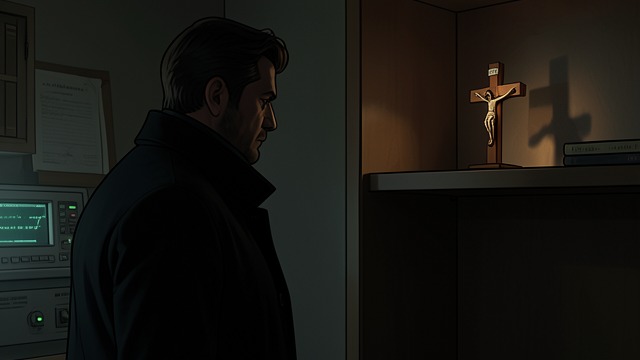
Love as Light
A vivid metaphor
Werther compares a heart without love to a magic lantern without light. Love makes the world's images brilliant and gives ordinary perception an emotional radiance.
Joy dependent on another
His metaphor also signals dependence: without Lotte, the world seems to lose its light. The feeling that enlarges experience begins to make his well-being contingent on one person.
The Source Turns

Pleasure Reversed
Nature becomes torment
Werther asks whether the source of happiness must also become the source of misery. The same capacity for intense perception that once made nature a paradise now exposes him to unbearable pain.
The paradox deepens
Love and feeling do not simply disappear; their intensity changes direction. The novel presents emotional power as capable of generating both rapture and destruction.
Possession Without Union
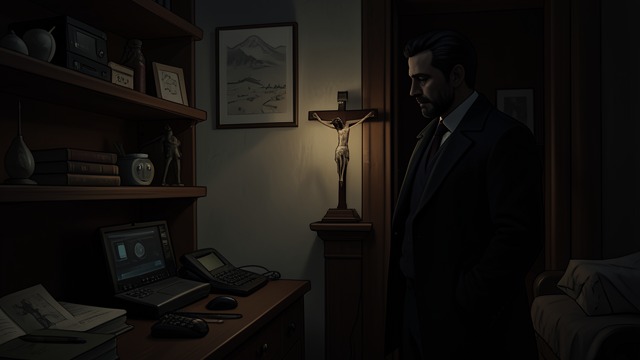
Having and Lacking
Love consumes other goods
Werther says he possesses much but has nothing without Lotte. The statement makes his emotional hierarchy explicit: every other relationship and pleasure has been displaced.
Happiness narrowed
The more he treats love as the sole source of meaning, the less room remains for partial or independent forms of happiness. His language describes the narrowing that makes the final loss seem absolute.
The Final Illusion of Union
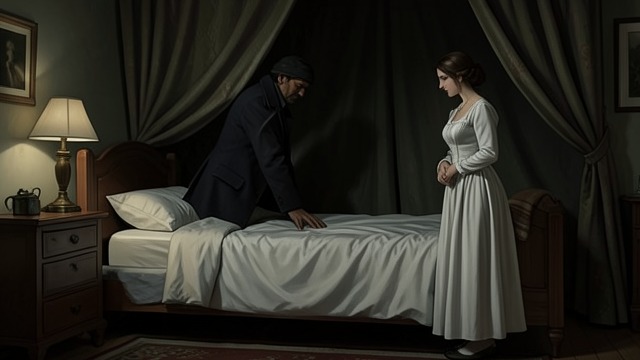
Love Turned Toward Death
An imagined eternity
Werther interprets the kiss as a lasting bond and imagines that death will unite him with Lotte. He treats the end of earthly separation as a fulfillment of love.
The cost of the ideal
The imagined union ignores Lotte's refusal and leaves her with grief. The novel exposes how an absolute ideal of love can become destructive when it overrides the other person's reality.
May, before Werther meets Lotte
July 18, during Werther's visits to Lotte
August 18, after Werther's return
October 27, as Werther writes in the autumn
December, after the last visit
