
Passion Against Reason
The Sorrows of Young WertherThis flow traces the conflict between Werther's defense of overwhelming emotion and the social and moral limits represented by Albert and the law.
increasing Bearing strength in each event
 decreasing
Bearing strength in each eventdecreasingThe Unsteady Heart

Emotion as Force
Self-description
Werther tells William that his heart moves sharply between sorrow, joy, and passion. He treats emotional intensity as something that cannot simply be governed by instruction.
A claim to authenticity
His feelings seem to him more truthful than restraint. The belief gives him a language for experience but leaves open whether feeling alone can justify action.
Rules and the Torrent

Restraint Rejected
Art and love compared
Werther compares artistic rules to advice that would confine a lover's devotion within respectable limits. He believes conventions can dam up creative and emotional power.
A general opposition
The argument expands from art to society: regulation appears to him an enemy of life. Yet the novel's later conflicts test whether unrestrained feeling protects anyone from harm.
The Suicide Debate

Reason Meets Despair
Two positions
Albert regards suicide as weakness, while Werther argues that a person may be overwhelmed by suffering beyond the limits of endurance. Their conversation turns an abstract moral question into a personal warning.
A troubling analogy
Werther compares mental collapse with fatal illness and insists that outsiders cannot simply lend strength to the afflicted. His reasoning asks for compassion, but also risks making death seem inevitable.
The Servant's Crime
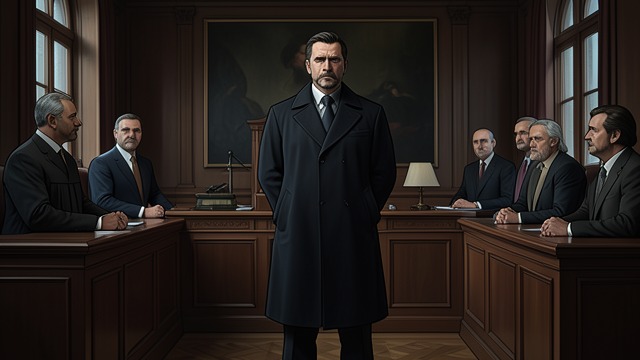
The Theory Tested
Werther's defense
When the former servant is arrested for murder, Werther argues that passion and despair should affect judgment. He recognizes the man's emotional collapse as a version of suffering he understands.
The judge's refusal
The law cannot accept an exception that would endanger public order. The scene forces the conflict between inward explanation and responsibility into a real case with a victim.
Passion Crosses Lotte's Boundary

Feeling and Consent
Werther acts
Werther's emotional intensity culminates in a kiss Lotte does not welcome. She pushes him away and makes her refusal explicit.
Consequence over justification
The scene makes clear that the force of Werther's feeling does not erase Lotte's agency. His belief that passion defines truth has led him to violate the boundary he was asked to respect.
May 13, early in Book I
May 26, after Werther's drawing at Walheim
August 12, in Albert's room
Late in Book II, after the murder
Christmas Eve, during the final visit
