
Rules, Freedom, and Social Constraint
The Sorrows of Young WertherThis flow traces the tension between Werther's desire for unregulated freedom and the artistic, professional, and social rules he encounters.
increasing Bearing strength in each event
 decreasing
Bearing strength in each eventdecreasingThe Artist Against Rules

Freedom in Creation
Nature over prescription
Werther believes that an artist should follow nature rather than inherited rules. He fears that convention will prune away the very energy that makes art genuine.
Freedom as an ideal
The argument gives emotional spontaneity a high value. It also supplies a pattern for his later resistance to social limits, even where other people's rights are involved.
The Peasant's Narrow Sphere

Freedom and Necessity
Ordinary labor
Werther observes that most people work to meet basic needs and use their limited free time trying to escape from it. He is moved by the restricted choices that shape everyday lives.
A conflicted view
He praises simple pleasures but also regards the human condition as confining. His sympathy for others' constraints sits beside his own refusal to accept obligations he finds limiting.
Employment as a Yoke
Work and Independence
An unwanted role
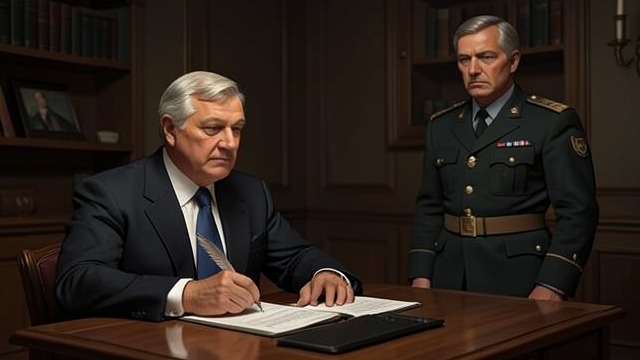
Werther takes a court appointment but resents the ambassador's methods and the routine of official work. He compares structured labor to a bridle that may cost the wearer freedom.
Escape chosen
Rather than adapt to the job, he eventually resigns. The choice protects his independence but does not supply a stable alternative purpose.
Rank as Constraint
Social Freedom Denied
A rule enforced
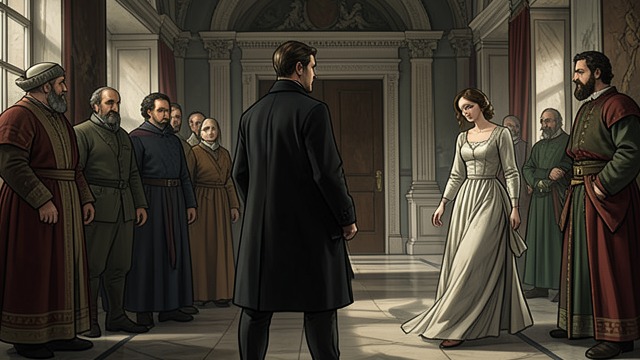
Werther is asked to leave the aristocratic gathering because of his social position. He has not intended to challenge the company, but the hierarchy determines whether he may remain.
The limit exposed
His belief in personal merit meets a system governed by rank. The incident turns an abstract objection to social barriers into a humiliating experience.
Freedom Without Restraint

The Cost of Absolute Liberty
Refusal of limits
Werther's insistence on emotional freedom has made it difficult for him to accept Lotte's request for distance. He treats restraint as denial rather than as protection of her choice.
A destructive outcome
The final boundary is broken, and Werther turns to suicide as the last act he can control. The novel complicates freedom by showing that one person's unrestricted desire can injure others.
May, after Werther begins sketching at Walheim
May, during Werther's reflections on village life
July through December, during court service
March, at Count C—'s gathering
December, during Werther's final crisis
